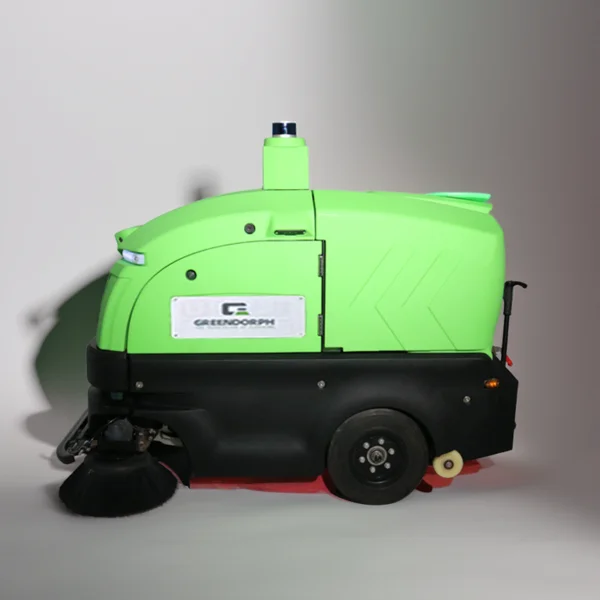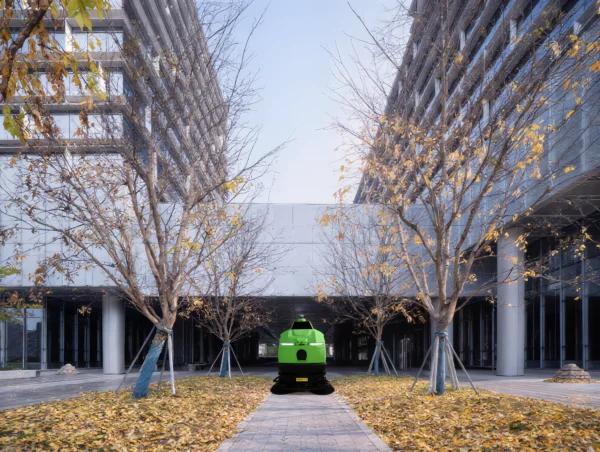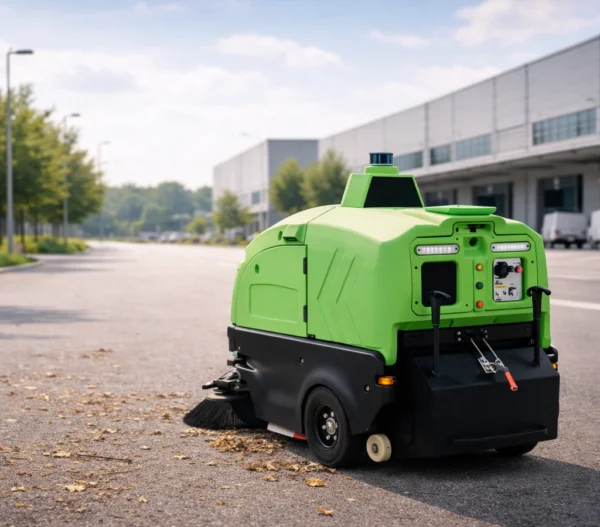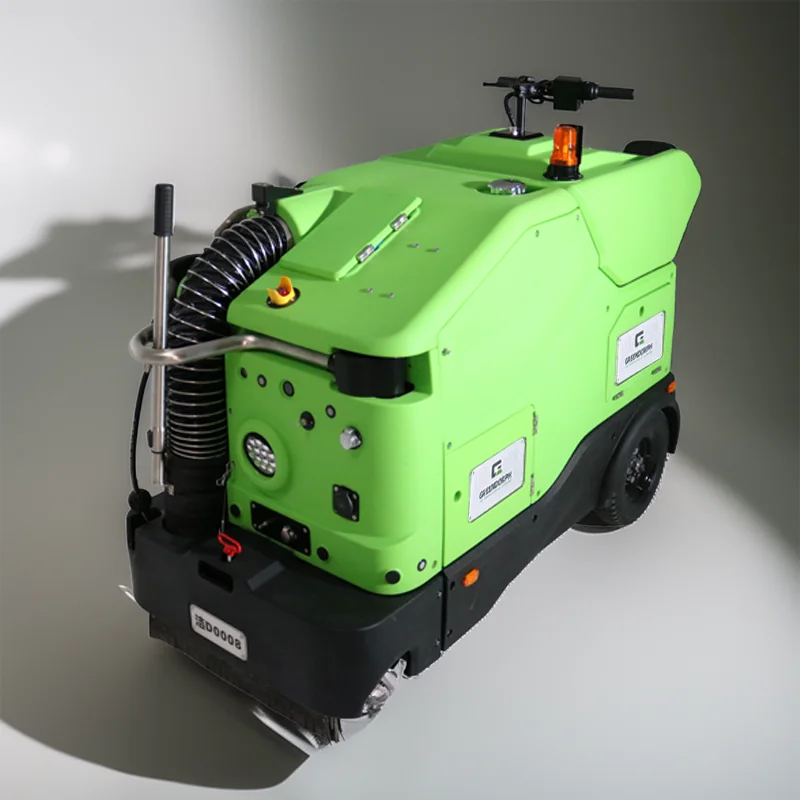
Facility and fleet managers increasingly evaluate sweeping equipment not merely by purchase price but by total cost of ownership and environmental impact. Over years of deploying outdoor cleaning solutions across industrial parks, campuses, and municipal projects, we have observed that the transition from diesel-powered to electric equipment fundamentally changes the financial and sustainability equation. The operational data gathered from these deployments reveals that an electric ride on street sweeper delivers advantages that compound over time, reshaping how organizations plan for long-term asset management.
Lifecycle Cost Analysis Beyond the Initial Investment
A common misconception holds that electric sweeping equipment carries a premium that takes too long to recoup. However, when we work with clients to conduct full lifecycle cost assessments, the numbers tell a different story. The primary cost drivers for any ride on sweeper—whether electric or internal combustion—fall into three categories: energy or fuel, scheduled maintenance, and component replacement intervals. Electric powertrains contain approximately one-third the moving parts of diesel engines, eliminating expenditures on oil changes, fuel filters, injectors, and exhaust aftertreatment systems. Facilities that have deployed our electric units consistently report that maintenance costs per operating hour drop by a significant margin compared to their previous diesel fleets. Furthermore, energy costs for an electric ride on street sweeper remain stable and predictable, insulated from fuel price volatility. When we model these factors over a five- to seven-year ownership horizon, the electric platform frequently achieves a lower total cost while offering the added benefit of quieter operation that expands allowable working hours.
Environmental Performance and Regulatory Alignment
Sustainability metrics have moved from voluntary considerations to compliance requirements in many regions. Diesel-powered sweeping equipment contributes to particulate emissions, noise pollution, and localized carbon output—factors increasingly subject to emissions standards, low-emission zone restrictions, and corporate ESG reporting mandates. We design electric ride on sweeper systems to operate with zero tailpipe emissions, allowing facilities to maintain sweeping schedules without environmental restrictions. Beyond the emissions reduction, the electric platform supports broader sustainability goals through energy efficiency. Regenerative braking systems recover energy during stop-and-start sweeping cycles, and electrically driven sweeping mechanisms operate only at required power levels rather than idling continuously. Organizations using our electric sweepers have documented measurable progress toward carbon reduction targets, and several have leveraged these deployments to achieve credits under green building certification frameworks. This regulatory alignment reduces risk and positions facilities for long-term operational continuity.
Operational Reliability and Fleet Standardization
Fleet complexity introduces hidden costs in training, parts inventory, and technician skill requirements. A mixed fleet of diesel, gasoline, and electric equipment multiplies these demands. By standardizing on an electric ride on street sweeper, organizations simplify their operations substantially. Electric powertrains offer high torque from zero RPM, a characteristic particularly valuable in sweeping applications that require consistent broom performance across varying terrain. We have seen facility teams reduce their spare parts inventory by consolidating around a single powertrain architecture, and maintenance staff require less specialized training because the diagnostic systems in electric equipment provide clear, data-driven fault reporting. Moreover, the reliability of electric propulsion translates to higher equipment availability. Fleet managers we work with report that electric sweepers achieve higher uptime percentages compared to combustion-engine counterparts, largely due to reduced failure points and simplified thermal management. This reliability ensures that sweeping schedules remain consistent, preventing the buildup of debris that can affect drainage systems, pavement longevity, and site aesthetics.
The decision to invest in an electric ride on street sweeper extends beyond environmental considerations into core financial and operational strategy. When we analyze real-world deployments, the advantages in lifecycle cost, regulatory alignment, and fleet reliability consistently favor electric platforms for large-area outdoor cleaning applications. Organizations that make this transition gain not only cleaner surfaces but also a more predictable, sustainable, and resilient sweeping operation. We at Greendorph continue to partner with facility leaders to measure these outcomes, ensuring that each deployment delivers measurable value from the first sweep through the full lifespan of the equipment.