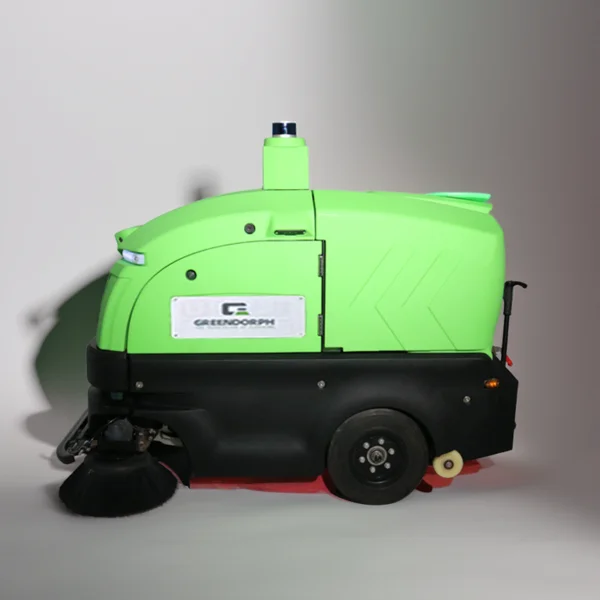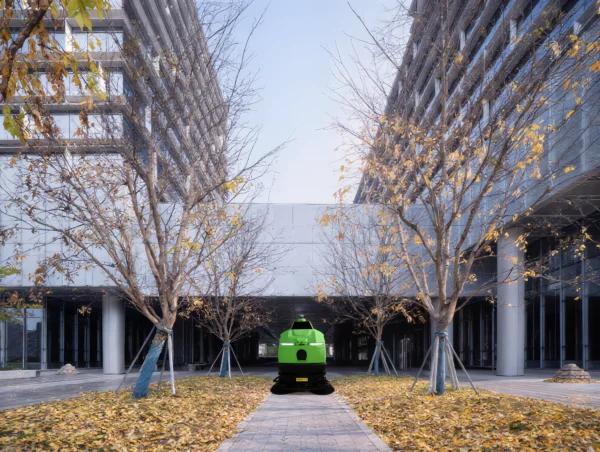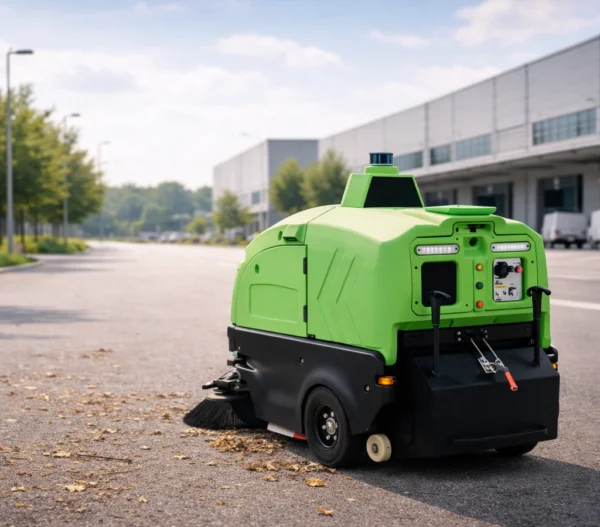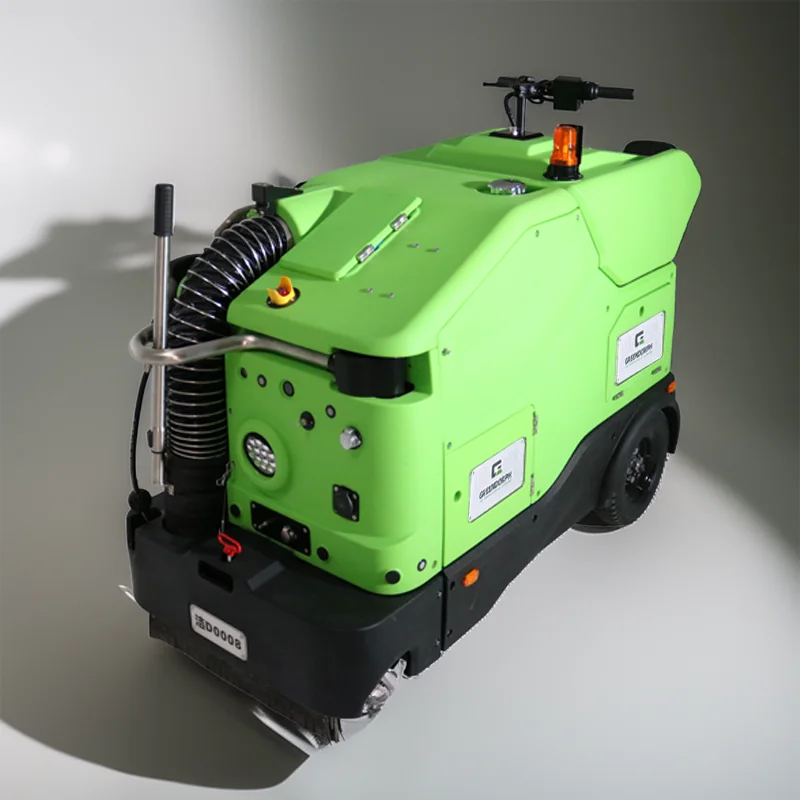
Reliability in heavy-duty environments is not negotiable. Facilities ranging from manufacturing plants to large-scale warehouses generate debris that standard commercial vacuums cannot handle—fine particulates, metal shavings, high-moisture waste, and continuous high-volume dust. Choosing the right equipment requires understanding not only suction power but also system durability, filtration integrity, and operational intelligence. We have worked alongside industrial operators across hundreds of project sites, and the distinction between a commercial-grade unit and a true industrial cleaning machine often determines long-term maintenance costs and regulatory compliance. This guide breaks down the essential characteristics that define professional industrial vacuum cleaners and why they matter for sustained facility performance.
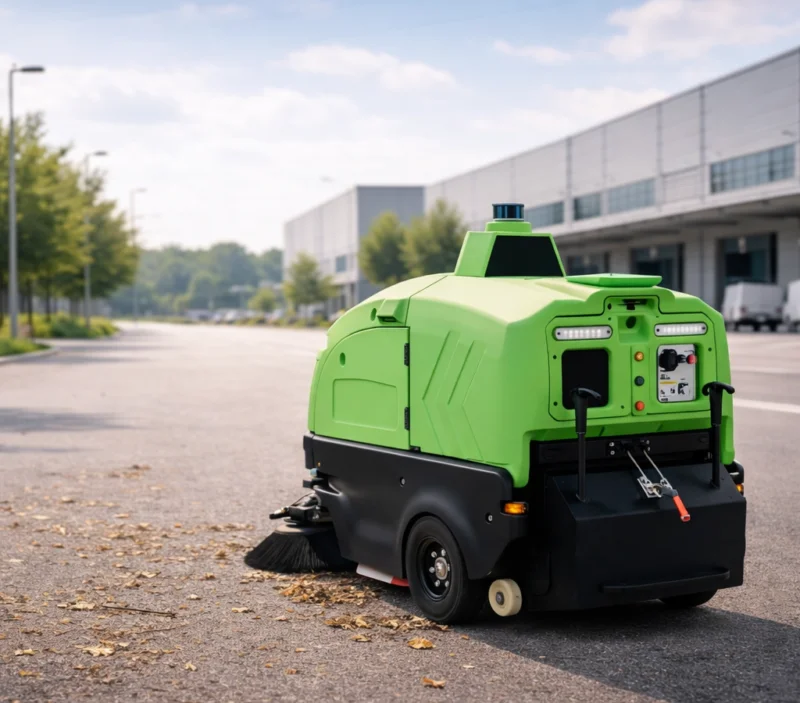
The Core Engineering That Defines an Industrial Cleaning Machine
The fundamental difference between a light-duty vacuum and an industrial cleaning machine lies in continuous-duty capability. Where consumer or commercial units are rated for intermittent use, professional industrial equipment is engineered for extended runtimes—often eight hours or more—without thermal shutdown. This is achieved through components such as bypass motors that draw ambient air for cooling independently of the suction airstream, or three-phase industrial motors that maintain consistent performance under heavy load.
Filtration represents another critical engineering layer. An industrial cleaning machine typically incorporates multistage separation: a primary cyclonic stage removes large debris before it reaches the main filter, preserving suction efficiency, followed by secondary filtration that can achieve HEPA or ULPA ratings. In our deployments across manufacturing and logistics facilities, we have observed that filtration integrity directly impacts both worker respiratory safety and equipment longevity. When fine particulates bypass the filter and reach the motor, degradation accelerates. Therefore, professional industrial vacuum cleaners are designed with filter monitoring systems that alert operators before pressure drop compromises performance.
Why Industrial Vacuum Cleaners Outperform Standard Equipment in Demanding Settings
Selecting equipment for environments with high debris density or hazardous materials requires more than comparing price points. Industrial vacuum cleaners are constructed with corrosion-resistant housings, reinforced casters, and sealed electrical enclosures that withstand exposure to oils, chemicals, and abrasive materials. Standard vacuums, by contrast, use lighter-gauge materials that degrade rapidly under such conditions.
Capacity also separates the two categories. A true industrial cleaning machine offers larger tank volumes—typically 20 gallons or more—paired with efficient emptying mechanisms such as manual tipping containers or integrated discharge systems. This reduces downtime for emptying and allows cleaning crews to cover extensive floor areas without interruption. Furthermore, professional units often accommodate wet pickup, dry debris, and even hazardous materials through interchangeable filter configurations. In our experience working with industrial clients, the versatility of industrial vacuum cleaners enables a single equipment type to address multiple cleaning tasks, simplifying inventory management and operator training.
Intelligent Integration for Operational Efficiency
Modern industrial cleaning machine designs increasingly incorporate connectivity and data monitoring, moving beyond standalone functionality. When integrated with centralized fleet management platforms, these machines provide visibility into usage metrics—runtime, filter status, and maintenance intervals—that inform proactive service planning.
For facility managers, this intelligence translates to predictable maintenance cycles. Instead of reacting to a vacuum that has lost suction mid-shift, connected industrial vacuum cleaners send alerts when filter cleaning is due or when motor hours approach recommended service thresholds. We at Greendorph have deployed such connected systems across industrial sites and found that they reduce unplanned downtime significantly. Additionally, data on debris accumulation patterns helps optimize cleaning routes and frequency, ensuring that high-traffic zones receive appropriate attention without wasting resources on underutilized areas. The convergence of robust engineering with intelligent monitoring defines the next generation of industrial cleaning machine solutions.
Understanding professional industrial vacuum cleaners goes beyond comparing specifications on a datasheet. It requires evaluating continuous-duty engineering, filtration integrity, structural durability, and the operational intelligence that turns a cleaning tool into a strategic asset. For facilities where cleanliness directly impacts safety, compliance, and productivity, the choice of an industrial cleaning machine influences long-term operational costs. By prioritizing equipment designed for the demands of industrial environments, organizations establish a foundation of consistency that manual methods and consumer-grade alternatives cannot deliver.