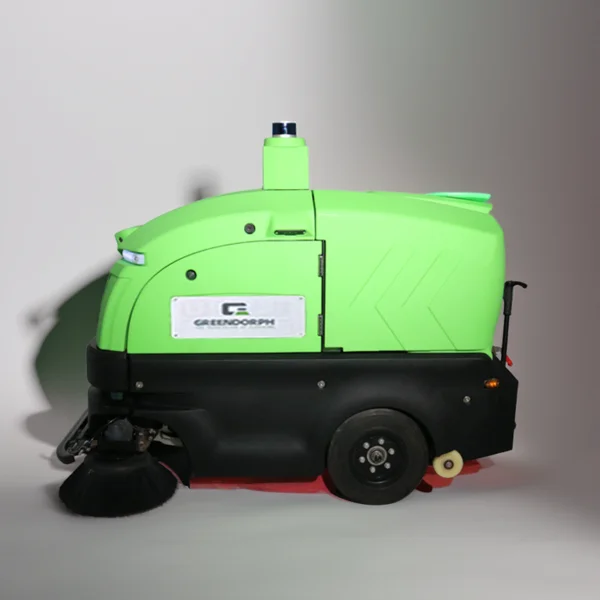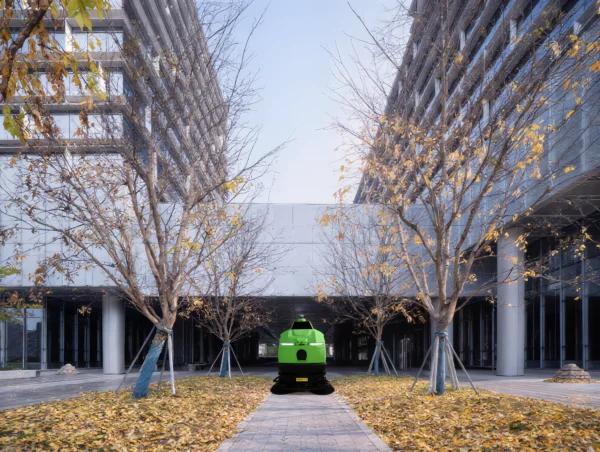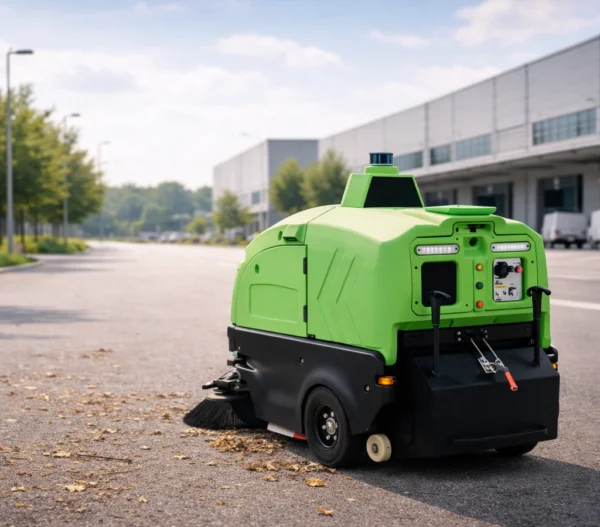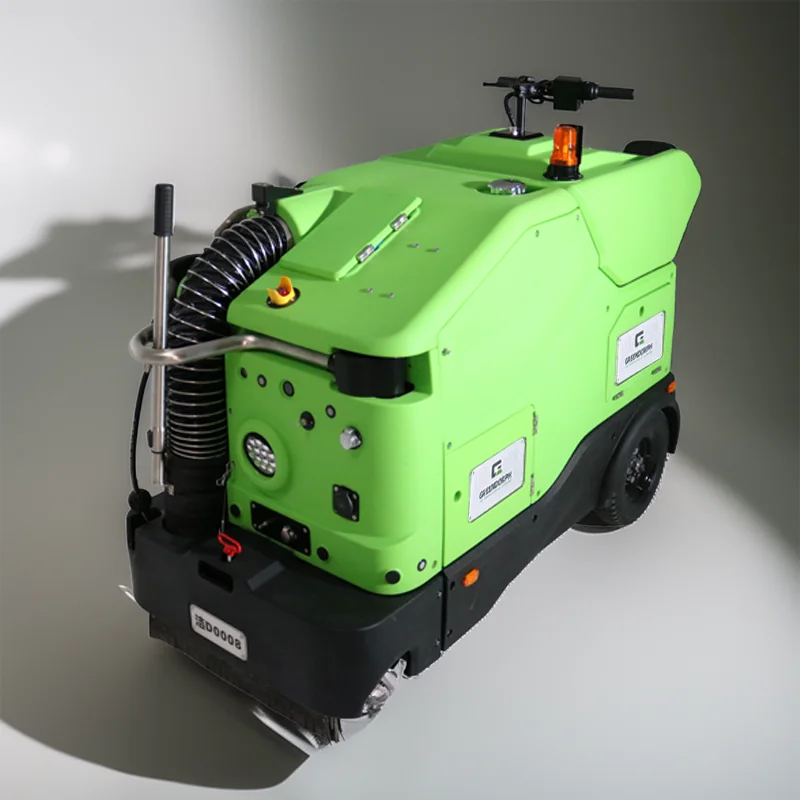
For property managers and homeowners’ associations overseeing multi‑unit residential complexes, the question of whether to introduce automated cleaning equipment has become increasingly relevant. Traditional manual mopping in shared hallways, lobbies, and amenity spaces demands significant labor hours and yields inconsistent results. Over the past several years, we at Greendorph have observed a steady rise in interest from residential property operators who are evaluating a residential floor scrubber machine as a potential solution. Yet like any capital investment, adopting a residential floor scrubber requires weighing the operational benefits against the implementation challenges. Based on our experience deploying smart cleaning solutions across hundreds of projects—including large‑scale residential campuses—we outline the key pros and cons to help inform that decision.
Pro: Consistent Cleanliness with Minimal Labor Dependency
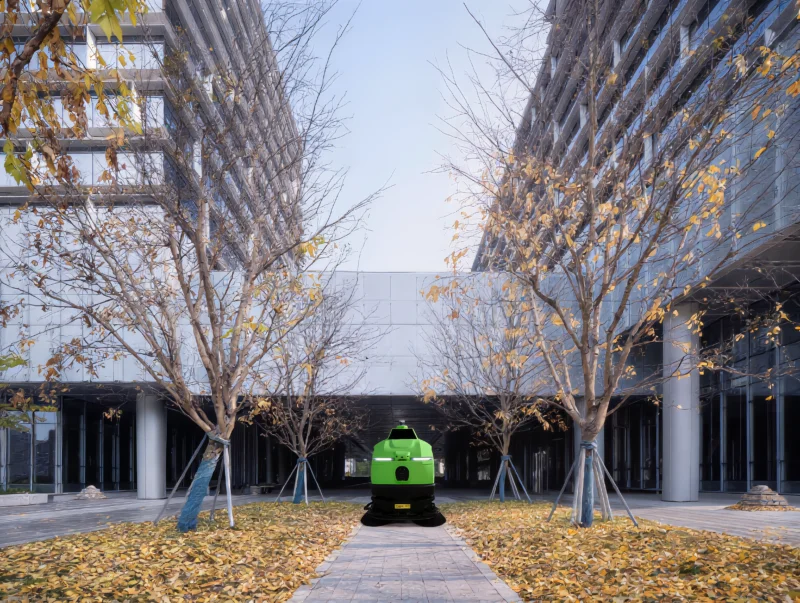
One of the most compelling advantages of a residential floor scrubber machine lies in its ability to deliver uniform cleaning results without relying on the skill level or physical stamina of a human worker. In a typical residential building, manual mopping crews may cover a given area at different speeds and with varying attention to corners or high‑traffic zones. A robotic residential floor scrubber, by contrast, follows programmed paths, applies consistent downward pressure, and precisely controls water and detergent usage. This translates to measurable improvements in cleanliness scores. From our deployment data across properties that adopted automated scrubbers, facility managers reported a 30‑to‑40‑percent reduction in cleaning‑related complaints from residents within the first quarter of use. Additionally, the machine handles repetitive tasks autonomously, allowing existing janitorial staff to focus on higher‑value activities such as deep sanitation or preventive maintenance—an efficiency gain that directly addresses persistent labor shortages in the property management sector.
Con: Upfront Investment and Infrastructure Requirements
The most frequently cited barrier to adopting a residential floor scrubber is the initial capital outlay. A high‑quality robotic unit represents a significant upfront expense compared to traditional mops or even walk‑behind scrubbers. Moreover, successful implementation often requires complementary infrastructure: dedicated docking stations, adequate battery charging capacity, and floor plans that are mapped with sufficient precision to enable autonomous navigation. For older residential buildings with narrow corridors, uneven flooring, or frequent layout changes, the mapping and commissioning phase can extend deployment timelines. In our project experience, properties that failed to allocate time for proper path planning and staff training sometimes saw delayed return on investment. We therefore recommend that operators conduct a thorough site assessment before purchase, factoring in potential modifications to storage areas and a realistic commissioning schedule. When these preparatory steps are overlooked, the expected efficiency gains may take longer to materialize than initially projected.
Pro: Long‑Term Operational Cost Reduction
Despite the higher purchase price, a residential floor scrubber machine typically delivers substantial long‑term savings that offset the initial investment. Labor costs constitute the largest line item in any cleaning budget, and automation directly reduces the hours required to maintain large common areas. A robotic scrubber can operate during off‑peak hours—overnight or during mid‑day low‑traffic periods—without incurring overtime wages. In addition, the machine’s precise metering of water and cleaning chemicals leads to lower consumable expenses compared to manual mopping, where overuse of detergent and water is common. Across the residential projects we have supported, the average payback period fell between 12 and 18 months when accounting for labor savings, reduced chemical consumption, and decreased wear on flooring materials (since automated scrubbers apply more controlled pressure and moisture). Furthermore, many modern units integrate with cloud‑based fleet management platforms—similar to those we deploy—allowing operators to monitor usage, receive maintenance alerts, and optimize scheduling, thereby extending equipment lifespan and maximizing the value of each residential floor scrubber.
Implementing a robotic residential floor scrubber machine offers clear advantages in cleaning consistency, labor efficiency, and long‑term cost control, but it also requires careful consideration of upfront investment and site‑specific infrastructure. For property managers who conduct a thorough assessment of their facilities and commit to a structured deployment process, the return on investment is both measurable and sustainable. At Greendorph, our work across residential campuses and similar environments has reinforced that automation, when thoughtfully applied, elevates service quality while reducing operational burdens. As residential properties continue to seek smarter approaches to facility maintenance, the residential floor scrubber stands out as a solution that balances innovation with practical, bottom‑line results.