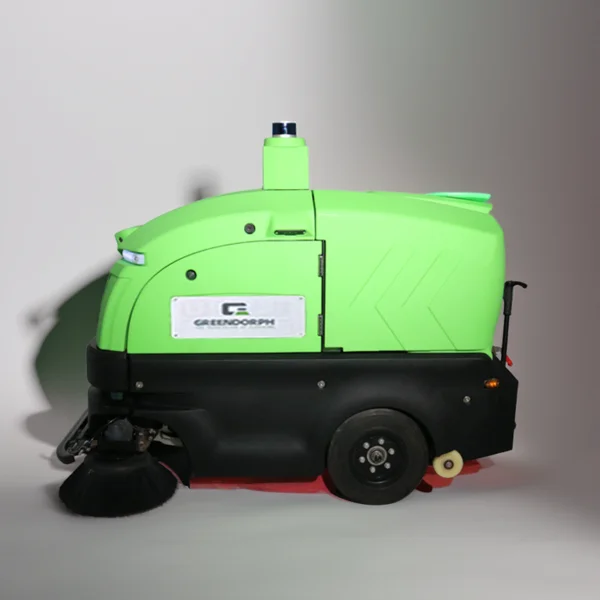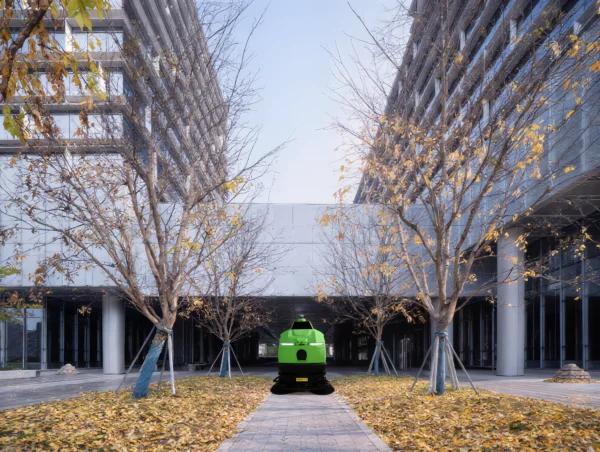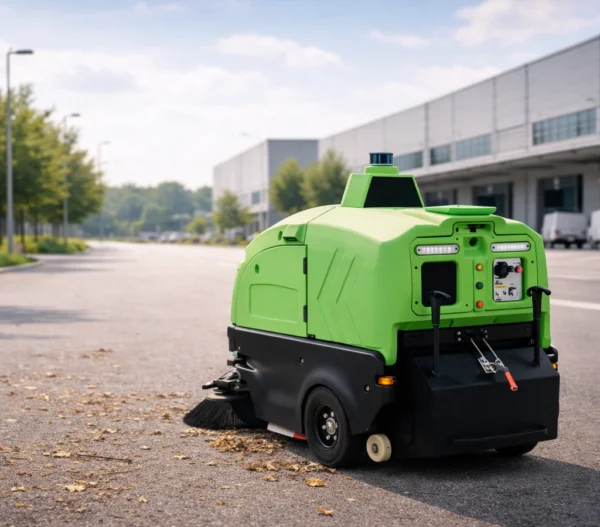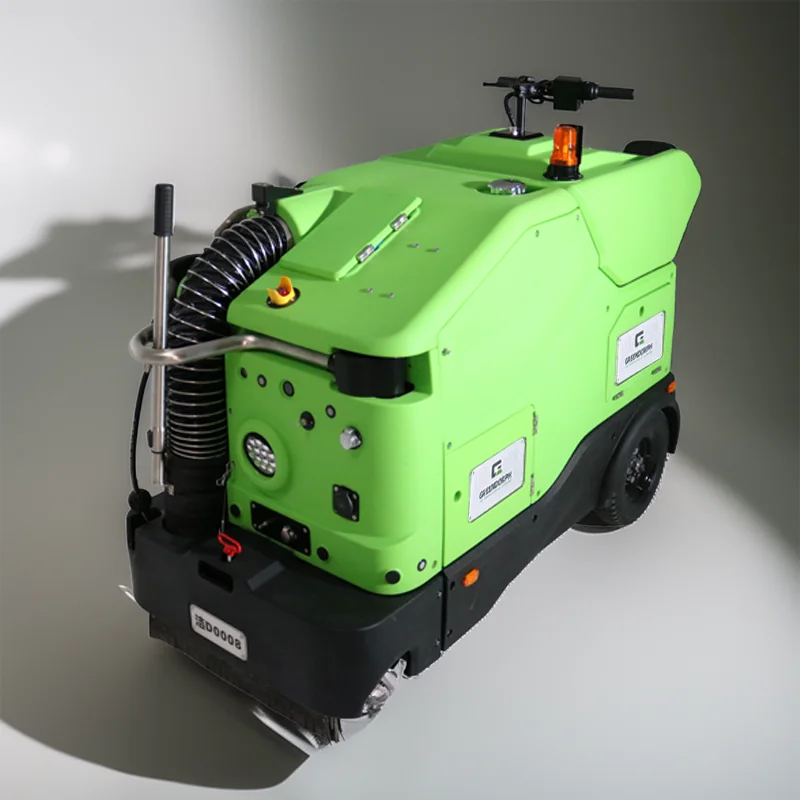
With the expansion of luxury residential estates, gated communities, and high‑end apartment complexes, facility managers face a distinct challenge: maintaining extensive common areas with efficiency and consistency. Manual methods no longer scale economically, yet not every automated solution fits the unique demands of large‑scale residential environments. Over the course of deploying smart cleaning equipment across more than three hundred projects globally—including numerous residential campuses—we have developed a structured approach to evaluating an autonomous home floor scrubber for such settings. Selecting the right equipment requires a careful balance of technical specifications, operational autonomy, and long‑term cost considerations. Below we outline the key criteria that guide this decision.
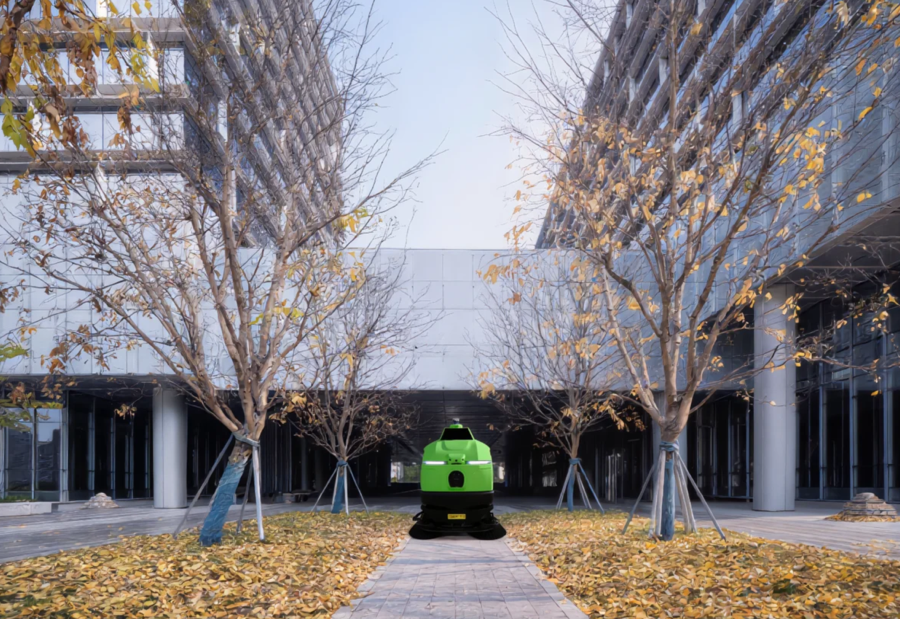
Assessing Surface Types and Coverage Area
The first step in choosing a residential floor scrubber machine for a large estate is to map the surfaces that require routine maintenance. Luxury residential properties often feature a mix of polished concrete, natural stone, porcelain tile, and even hardwood in amenity spaces. Each material imposes different requirements for brush pressure, water flow, and detergent chemistry. A machine that performs well on sealed concrete may damage softer surfaces if not properly configured. Additionally, the total square footage determines whether a single unit suffices or multiple units are required. From our project data, estates exceeding 50,000 square feet of cleanable floor area typically achieve better coverage and faster return on investment by deploying two or more residential floor scrubber machine units, each assigned to specific zones. When evaluating equipment, we recommend requesting detailed specifications on floor type compatibility and conducting a pilot run on representative surfaces to verify that the machine’s cleaning parameters align with the property’s material composition.
Evaluating Navigation Technology and Autonomy Levels
Not all automated scrubbers operate with the same level of intelligence. For large estates with complex floor plans, narrow corridors, and high pedestrian traffic, the quality of navigation technology becomes a critical differentiator. Early‑generation units relied on random‑path algorithms that often missed sections or required frequent human intervention. Modern autonomous home floor scrubber systems use simultaneous localization and mapping (SLAM) technology, often combined with LiDAR or visual sensors, to build accurate maps and execute systematic coverage. In our experience, properties that adopted scrubbers with advanced mapping and multi‑floor support reduced missed‑area incidents by over 90 percent compared to those using simpler robotic units. Furthermore, the ability to integrate with a cloud‑based fleet management platform—similar to the AI smart platform we deploy—enables facility managers to monitor cleaning progress, adjust schedules remotely, and receive maintenance alerts. When evaluating an autonomous home floor scrubber, we advise looking for units that offer offline mapping, zone‑specific scheduling, and the capability to update maps without reprogramming the entire fleet.
Analyzing Total Cost of Ownership and Support Infrastructure
The purchase price of a residential floor scrubber machine represents only a fraction of its total cost over a five‑year operational period. Large estates require equipment that can withstand continuous daily use, sometimes exceeding eight hours of runtime across shifts. Battery technology, consumable parts lifespan, and manufacturer support infrastructure significantly influence long‑term costs. Lithium‑ion batteries, for instance, offer higher cycle life and faster charging than lead‑acid alternatives, reducing downtime and replacement frequency. Similarly, scrubber decks with easily replaceable brushes and squeegees lower maintenance labor costs. Across the residential projects we have supported, facilities that prioritized equipment with modular component design and local service networks achieved 25‑30 percent lower annual maintenance expenses compared to those that chose lower‑initial‑cost units with proprietary parts. Additionally, the availability of training for on‑site staff—covering both daily operation and basic troubleshooting—proved essential for maximizing uptime. We recommend that buyers request a detailed cost‑of‑ownership projection that includes energy consumption, consumables, and projected repair intervals, and verify that the manufacturer or distributor offers responsive support in their geographic region.
Choosing the right autonomous home floor scrubber for large residential estates is a multidimensional decision that goes beyond comparing specification sheets. Surface compatibility, navigation intelligence, and total cost of ownership each play a decisive role in whether the investment yields sustainable efficiency gains. At Greendorph, our experience across hundreds of smart cleaning deployments has reinforced that a structured evaluation—grounded in the actual layout, materials, and usage patterns of the property—consistently produces better outcomes than focusing solely on upfront pricing. By applying these criteria, facility managers can select a residential floor scrubber machine that not only meets today’s cleaning demands but also adapts to the evolving needs of the communities they serve.