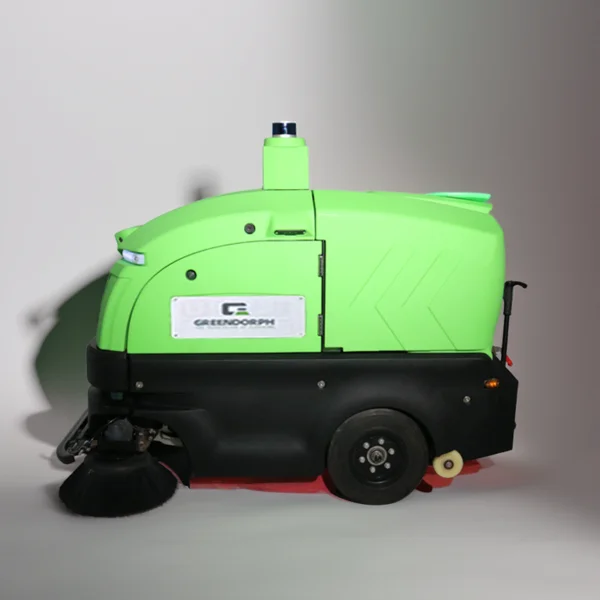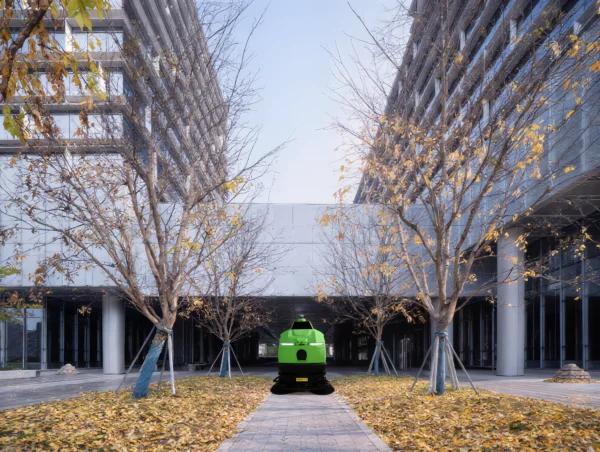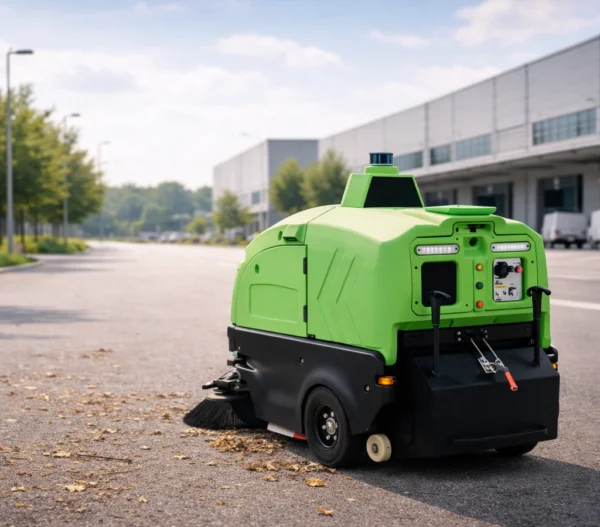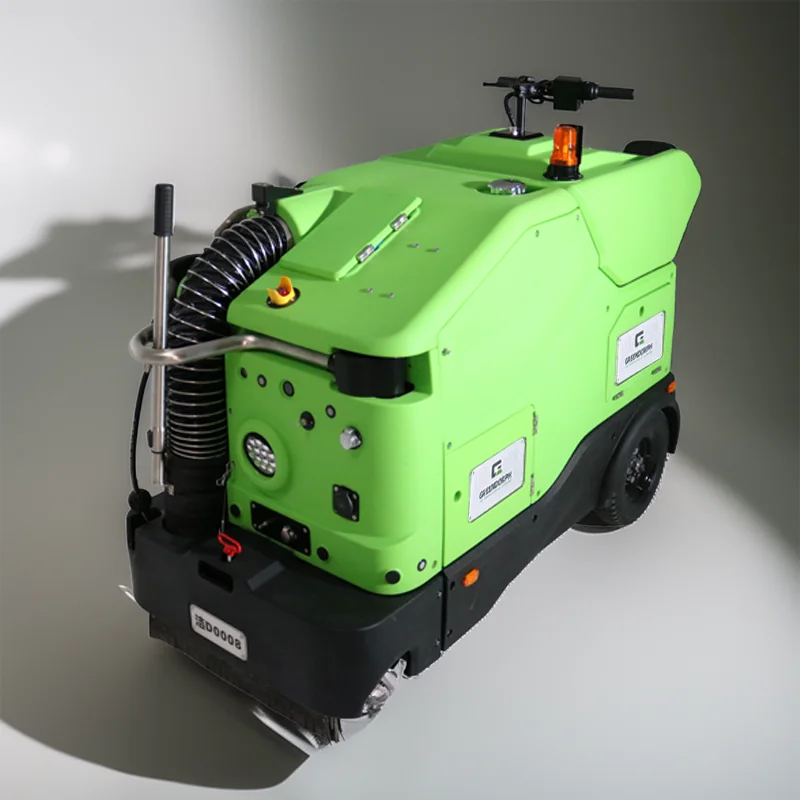
When a street cleaning vacuum machine stops responding or behaves unpredictably, the instinct is often to inspect the mechanical components—filters, hoses, or brushes. Yet in modern intelligent equipment, the root cause frequently lies in the software layer. We have seen this across our deployments in industrial parks, car parks, and campus environments: a machine that sweeps and vacuums reliably for months suddenly fails to start a scheduled route or reports inconsistent sensor data. Understanding how to systematically diagnose and resolve these software issues is essential for maintaining operational continuity. Drawing from our experience with autonomous and semi-ride-on cleaning robots, we outline a structured approach to troubleshooting that minimizes downtime and restores the street vacuum to full functionality without unnecessary hardware replacement.
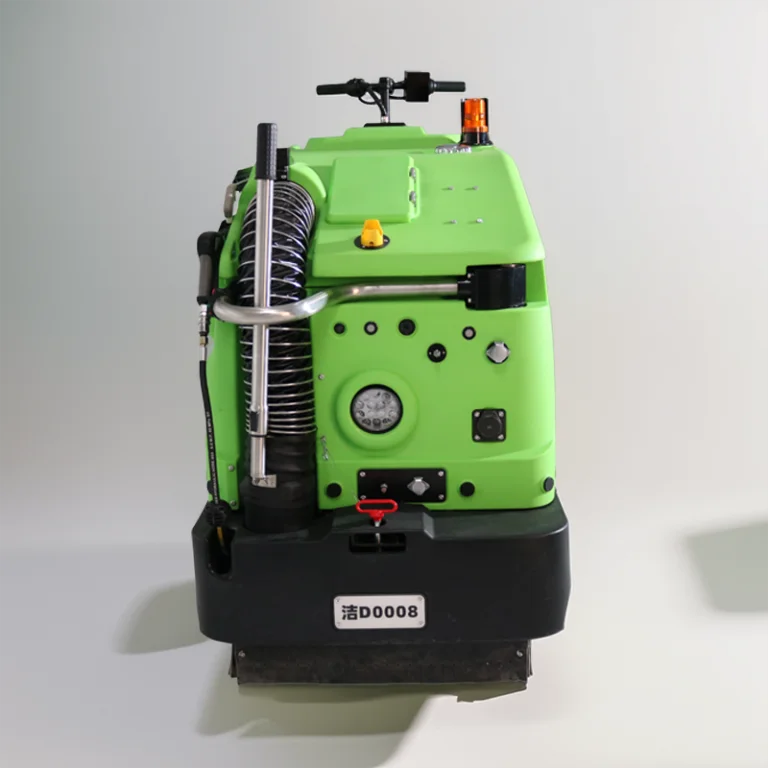
Isolating Communication Breakdowns Between Modules
A street cleaning vacuum machine relies on multiple onboard systems—navigation controllers, brush motors, vacuum fans, and battery management—that must communicate seamlessly. When a software issue emerges, the first step is to verify that these modules are exchanging data correctly. We equip our units with a diagnostic interface that logs time-stamped messages from each subsystem. If a street vacuum fails to engage its suction mechanism during a scheduled sweep, for example, the diagnostic log will indicate whether the command reached the vacuum controller or was dropped at the CAN bus level. In field support, we have found that approximately 40 percent of reported “non-start” issues trace back to a single module temporarily going offline due to electromagnetic interference or low-voltage transients. Re-establishing communication typically involves a remote reset of the affected node through our AI smart cloud platform, a process that takes under two minutes and eliminates the need for an on-site technician. For organizations managing multiple units, this remote diagnostic capability transforms how they approach software-related interruptions.
Resolving Sensor Calibration Drift Through Cloud Validation
Another common software-related challenge in a street cleaning vacuum machine involves sensor calibration drift. The LiDAR, cameras, and ultrasonic sensors that enable autonomous navigation must maintain precise alignment to correctly differentiate between curbs, debris, and obstacles. Over time, environmental factors—temperature fluctuations, vibration from uneven pavement, or accidental impacts—can cause minor deviations in calibration parameters. When this occurs, the street vacuum may exhibit behaviors such as stopping at open spaces or leaving narrow strips of uncleaned area. Our approach uses cloud-based calibration validation: every time a machine completes a mission, its sensor fusion output is compared against the expected environmental map stored in the cloud. If persistent discrepancies exceed a threshold, the system automatically flags a calibration check. The facility manager receives a notification with clear instructions—often a simple pass through a designated calibration zone that takes less than ten minutes. This proactive detection prevents the street cleaning vacuum machine from operating with degraded performance, ensuring that cleaning quality remains consistent without manual recalibration by specialized engineers.
Managing Fleet-Wide Software Updates Without Disruption
Software issues are not always isolated to a single unit; sometimes they emerge from a configuration mismatch after a fleet-wide update. We have structured our update delivery to minimize this risk. Each street cleaning vacuum machine in our fleet operates with a redundant software partition: a current stable version and a downloaded update that activates only after a complete integrity check. When we deploy new navigation algorithms or vacuum control logic, the street vacuum downloads the update during non-operational hours and runs a simulated mission using recorded sensor data. Only after the simulation confirms expected performance—verified by parameters such as coverage efficiency and vacuum power stability—does the unit switch to the new version. If any anomaly is detected, the system reverts automatically and alerts our cloud platform. This approach, refined through strategic partnerships and more than 300 global deployments, ensures that software evolution does not interrupt daily cleaning operations. Facility managers overseeing large pedestrianised areas or industrial zones can schedule updates with confidence, knowing that the street cleaning vacuum machine will not become a bottleneck due to software instability.
Software issues in intelligent cleaning equipment need not translate into prolonged downtime or expensive service calls. By adopting a diagnostic process that targets communication integrity, sensor calibration, and controlled update protocols, organizations can maintain high operational availability. We at Greendorph designed our autonomous and semi-ride-on platforms with these troubleshooting principles embedded—from remote diagnostics to automated calibration validation—so that every street cleaning vacuum machine continues to perform its role efficiently. For teams responsible for large-scale outdoor environments, this approach transforms software management from a reactive burden into a predictable, manageable function.