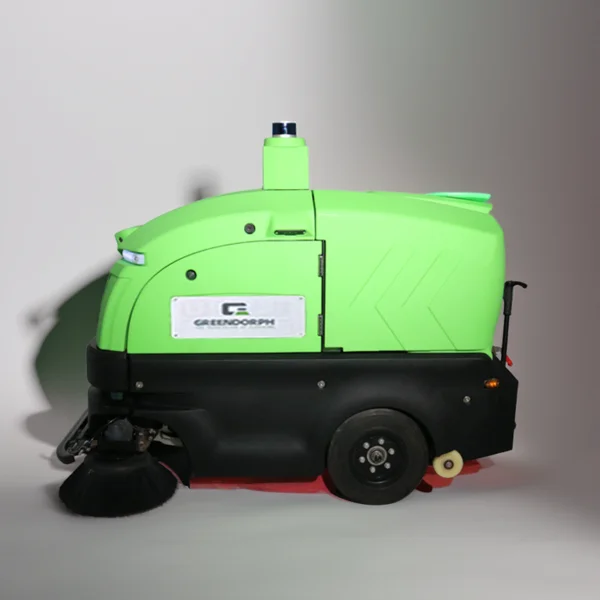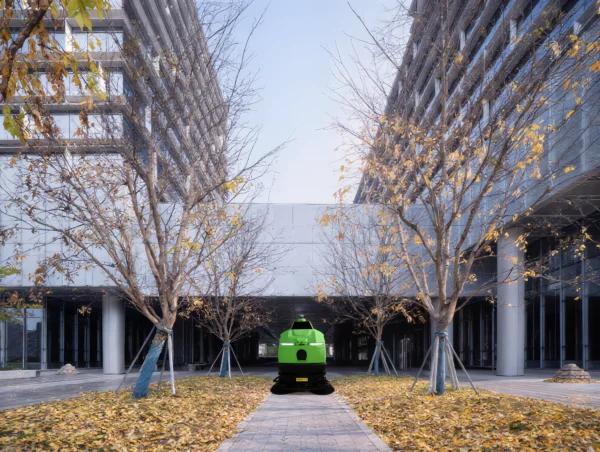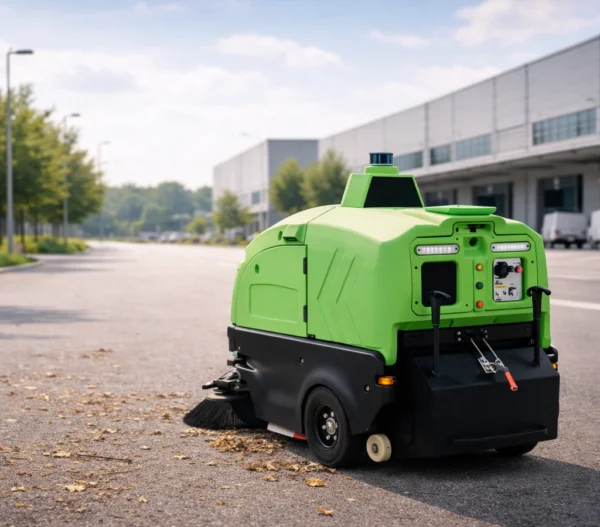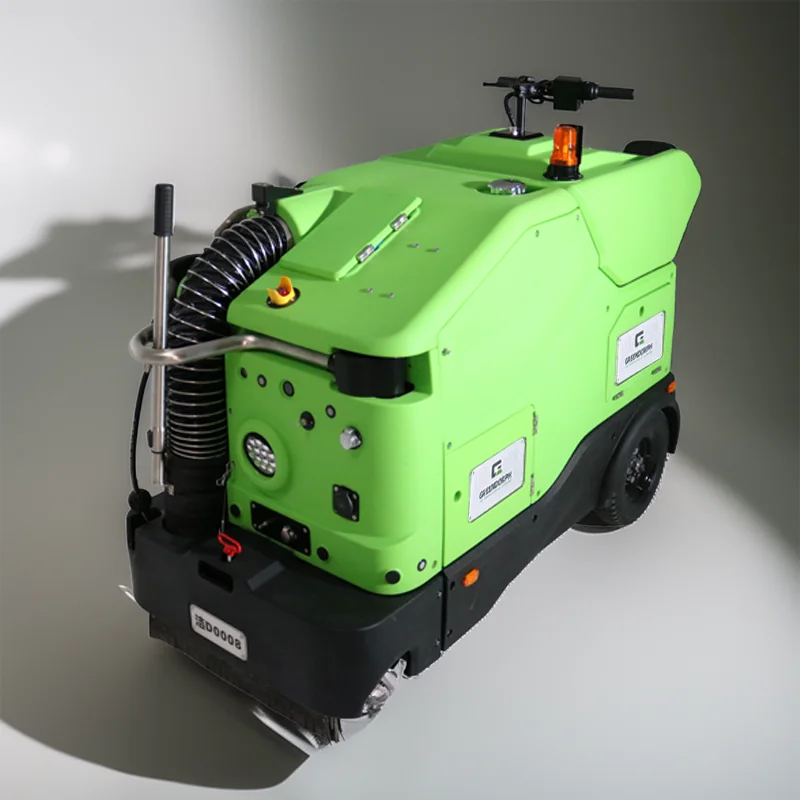
Achieving consistent cleaning results with automated outdoor equipment requires more than selecting the right machine—it demands a disciplined approach to maintenance that aligns with seasonal conditions. Over the years, we at Greendorph have observed that the performance longevity of any outdoor robot cleaner is directly tied to how well operators adapt their upkeep routines to changing weather, debris types, and temperature extremes. For facility managers overseeing large campuses, industrial parks, or residential estates, understanding these seasonal demands transforms a robot vacuum outdoor from a reactive tool into a predictable, high‑uptime asset. Drawing from our deployment experience across more than three hundred global projects, we outline seasonal maintenance practices that protect equipment performance and extend service life.
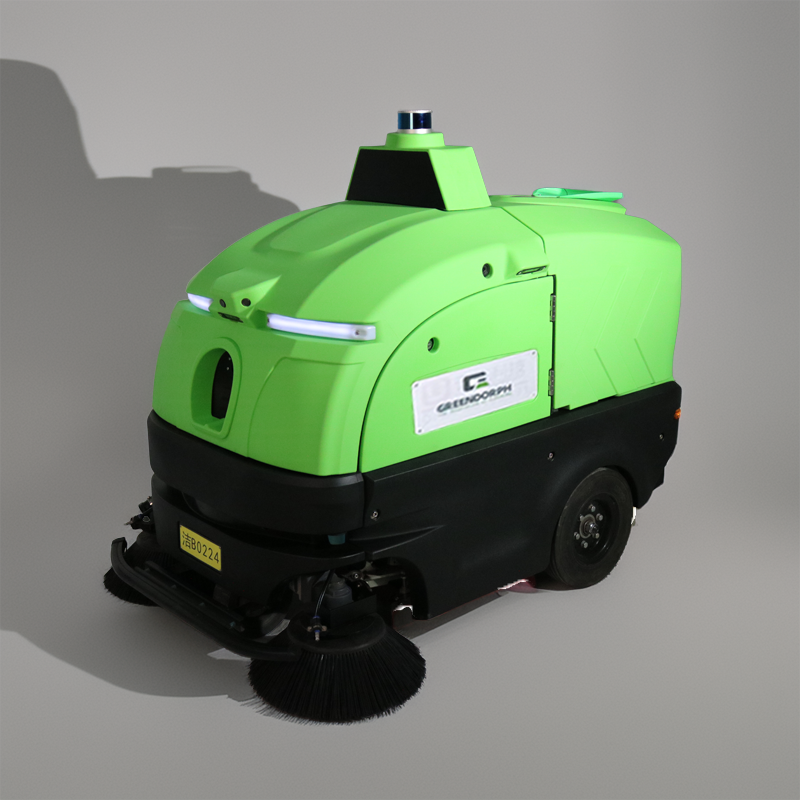
Spring and Summer: Sensor Calibration and Debris Management
As temperatures rise and vegetation growth accelerates, spring and summer introduce a surge in fine dust, pollen, and lightweight organic debris. These particles can rapidly accumulate on the LiDAR sensors, cameras, and ultrasonic detectors that guide an outdoor robot cleaner through complex routes. When sensor housings become obscured, navigation errors increase, and the machine may miss designated zones or repeatedly attempt unsafe paths. We recommend establishing a weekly cleaning protocol that includes wiping sensor surfaces with a microfiber cloth and inspecting seal integrity around electronic compartments. Additionally, summer often brings unexpected thunderstorms; a robot vacuum outdoor operating without proper ground‑fault protection or surge suppression faces heightened risk of electronic damage. In our project records, facilities that implemented pre‑rainstorm parking protocols—returning units to covered docking stations when lightning is forecast—reduced weather‑related service calls by more than sixty percent compared to sites that allowed continuous operation regardless of conditions.
Fall: Preparing for Leaf Load and Moisture
Autumn presents the most physically demanding season for any outdoor robot cleaner. Accumulated leaves, fallen branches, and persistent moisture challenge both the mechanical drivetrain and the filtration system. A standard robot vacuum outdoor configured primarily for dust and light debris may struggle with high volumes of wet leaves, leading to clogged brush assemblies, overloaded suction motors, and shortened squeegee life. To mitigate these risks, we advise transitioning to a maintenance schedule that includes daily brush inspections and bi‑weekly filter replacements during peak leaf fall. Equally important is verifying that the machine’s software is set to “heavy debris” mode if available, which adjusts brush speed and suction power to handle denser loads. From our experience, facilities that deployed dedicated outdoor robot cleaner units with reinforced brush housings and moisture‑resistant filters during autumn months achieved uninterrupted service where manual‑reliant neighbors experienced significant downtime.
Winter: Battery Preservation and Storage Protocols
Cold temperatures affect lithium‑ion and lead‑acid batteries differently, but in either case, improper winter management is a leading cause of premature failure in robot vacuum outdoor fleets. When ambient temperatures drop below freezing, charging a cold battery can cause irreversible capacity loss; similarly, leaving a battery in a deeply discharged state over extended idle periods accelerates degradation. For regions with freezing winters, we recommend relocating units to temperature‑controlled storage when not in active use, or implementing charging schedules that allow batteries to remain between 40 and 80 percent state of charge during long pauses. Additionally, winter ice and salt residue pose a dual threat: salt accelerates corrosion on exposed metal components, while ice can freeze moving parts such as steering joints and brush hinges. Applying a corrosion inhibitor to chassis components and scheduling brief activation cycles—even when full cleaning runs are not required—keeps mechanical systems from seizing. Across the northern sites we support, these winterization steps consistently doubled the average service life of key components compared to fleets that were stored without seasonal preparation.
Seasonal maintenance transforms an outdoor robot cleaner from a piece of equipment that merely runs into a system that reliably delivers peak performance year‑round. By calibrating sensors in spring, managing heavy debris in autumn, and protecting batteries in winter, operators can prevent the majority of unplanned downtime and extend the useful life of their robot vacuum outdoor fleet. At Greendorph, we design our solutions with serviceability in mind, but even the most robust engineering benefits from attentive seasonal care. Facility managers who embed these practices into their standard operating procedures consistently report lower repair costs, higher equipment availability, and cleaner outdoor environments across every season.