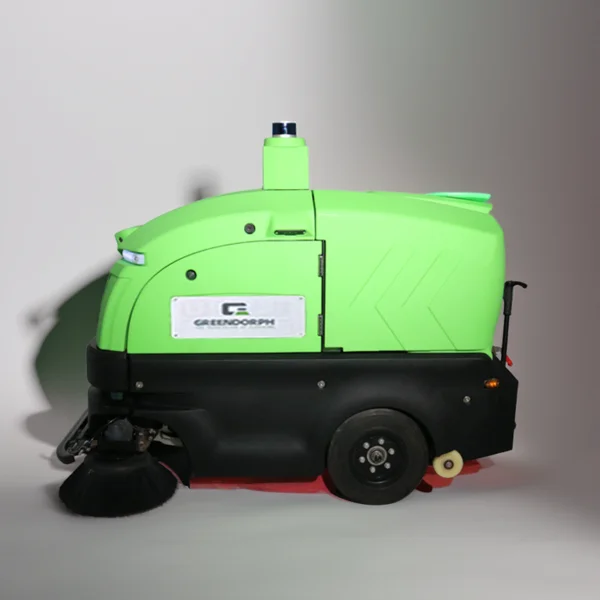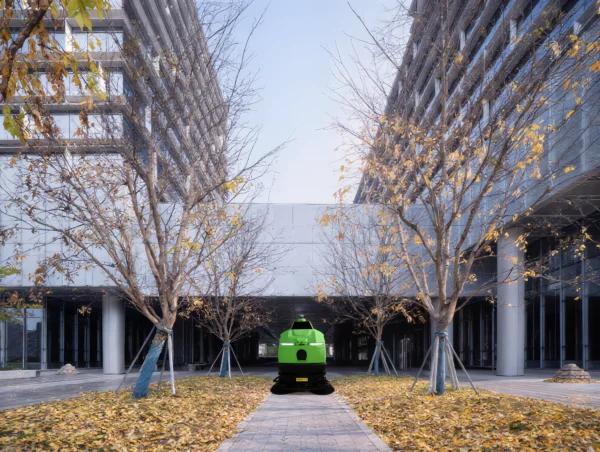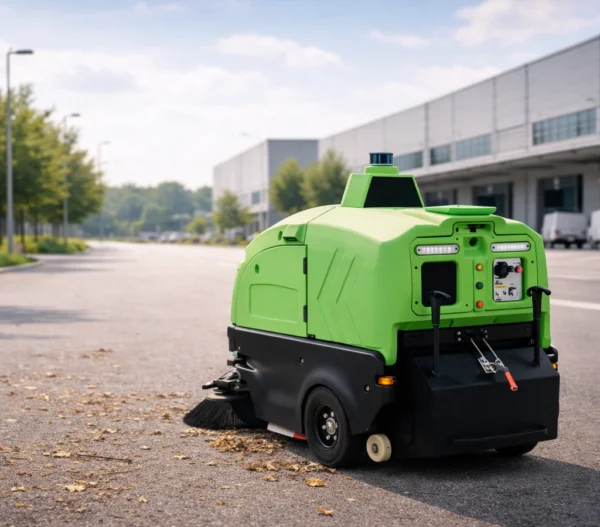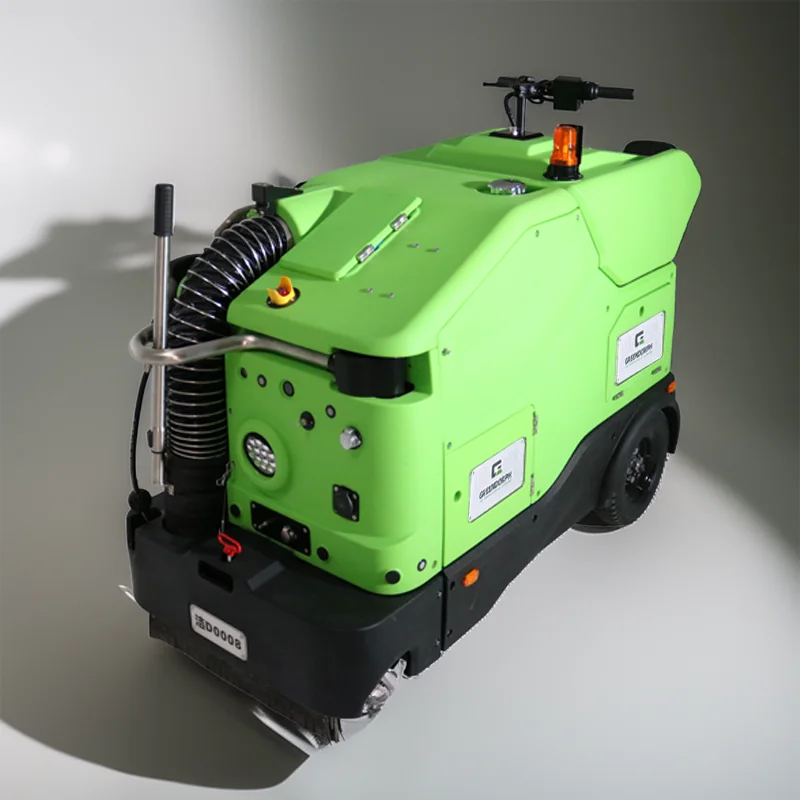
Property managers overseeing residential complexes face a recurring question as automation technologies advance: can outdoor cleaning equipment truly replace manual methods across parking areas, walkways, and communal spaces? The answer depends less on general claims and more on how well a machine aligns with the specific physical and operational demands of multi-building environments. We have analyzed deployment data from residential complexes spanning varied climates and layouts, and the suitability of an outdoor robot cleaner comes down to three measurable factors: terrain tolerance, environmental durability, and zone-based coverage logic.
Terrain Adaptability and Navigation Reliability
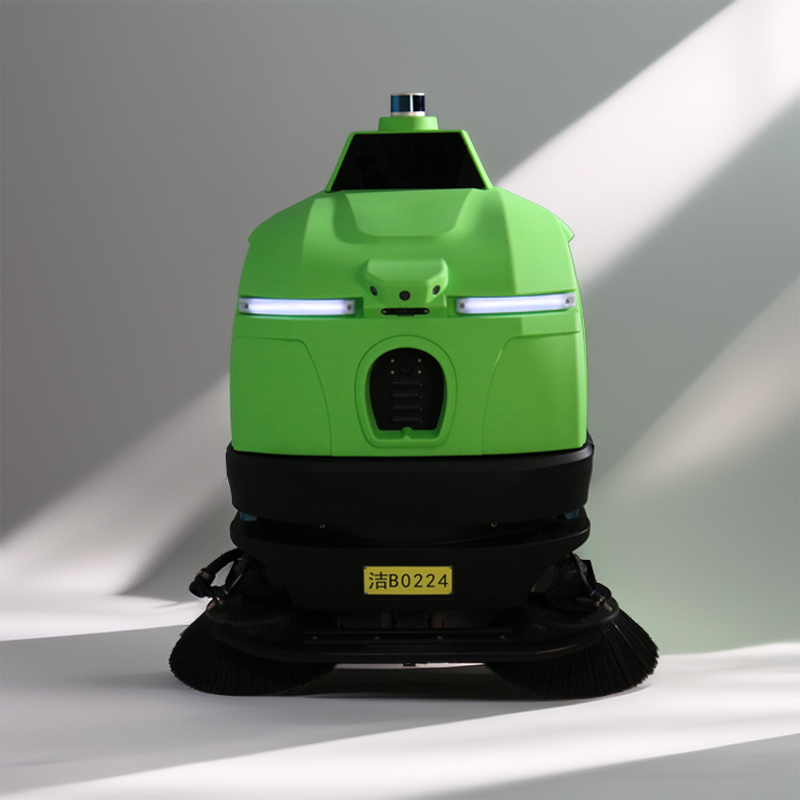
Residential complexes present a mixture of surfaces that challenge standard cleaning equipment. Asphalt parking lots contain cracks and aggregate protrusions; concrete walkways have expansion joints; landscaped edges accumulate leaf litter and fine gravel. A robot vacuum outdoor intended for such settings must incorporate sensing systems capable of distinguishing between a navigation obstacle and a surface irregularity. We evaluate terrain adaptability by examining ground clearance—typically a minimum of 30 millimeters—and the type of suspension system employed. Independent suspension on drive wheels allows the outdoor robot cleaner to maintain traction across uneven transitions without triggering fault conditions that interrupt scheduled operations. Additionally, navigation logic must accommodate dynamic obstacles such as temporarily parked vehicles, seasonal landscaping equipment, or holiday decorations. Complexes we have worked with achieve consistent coverage when the machine combines lidar for structural mapping with real-time object detection that routes around transient obstacles rather than aborting the cleaning cycle.
Durability Under Environmental Exposure
Equipment deployed outdoors faces conditions that accelerate wear on components not designed for continuous exposure. Temperature fluctuations, ultraviolet radiation, moisture intrusion, and airborne particulates all affect longevity. The suitability of any robot vacuum for outdoor use hinges on its ingress protection (IP) rating—specifically the rating for particulate and water resistance. We specify a minimum standard for outdoor cleaning units used in residential complexes, ensuring the electronics remain sealed against dust and rain during operation. Beyond the IP rating, thermal management plays a role: units operating in direct sunlight require battery enclosures that prevent overheating during midday summer schedules. Complexes in coastal regions additionally benefit from corrosion-resistant coatings on chassis and fastener hardware. When we review maintenance logs from properties using our equipment, the units that achieve high uptime share these environmental engineering characteristics, whereas consumer-grade devices frequently fail within the first year of outdoor deployment.
Operational Efficiency for Multi-Zone Complexes
A residential complex typically contains distinct cleaning zones—entry drives, guest parking, service alleys, pedestrian pathways—each with different debris loads and frequency requirements. A single outdoor robot cleaner must support zone-based scheduling that respects these differences. We evaluate operational efficiency through the machine’s ability to store multiple area maps, assign separate cleaning frequencies per zone, and execute scheduled passes without physical boundary markers that require manual repositioning. Complexes that have successfully automated outdoor maintenance use units capable of self-docking from any zone, allowing the machine to operate across dispersed areas without staff intervention. Furthermore, the robot vacuum outdoor should provide reporting that confirms coverage completion per zone, enabling property managers to verify service delivery without physical inspections. This data capability transforms the cleaning process from a labor-dependent activity into a verifiable operational metric.
The suitability of an outdoor robot cleaner for residential complex maintenance is not a simple yes-or-no question but a matter of matching equipment specifications to the physical and operational realities of the property. Terrain adaptability ensures reliable navigation across mixed surfaces; environmental durability protects the investment across seasons; and zone-based efficiency delivers measurable coverage across sprawling layouts. Complexes that evaluate these three factors before deployment consistently achieve the intended outcome: reduced manual labor hours combined with consistent cleanliness in shared outdoor spaces. We at Greendorph continue to work with property management teams to assess these technical criteria, ensuring that automation serves both maintenance budgets and resident expectations.