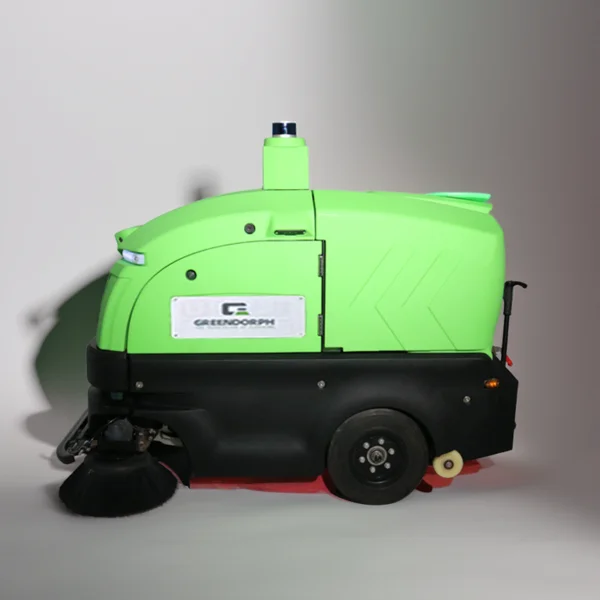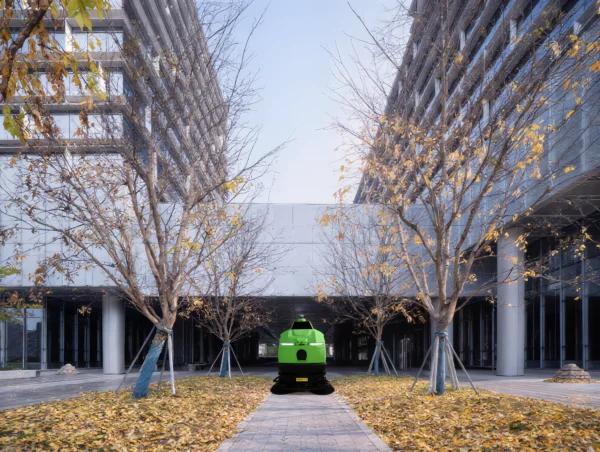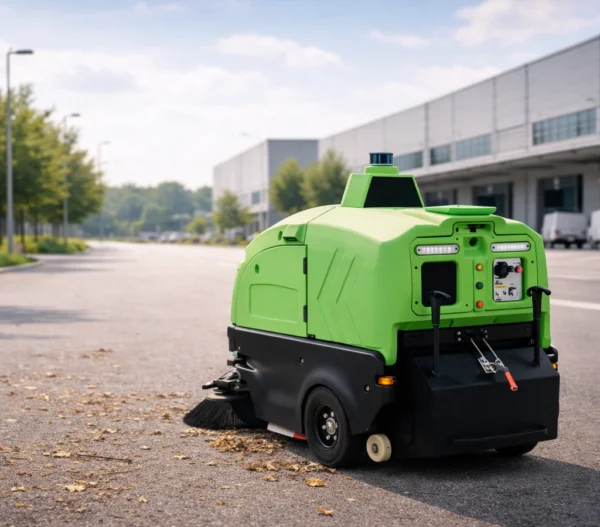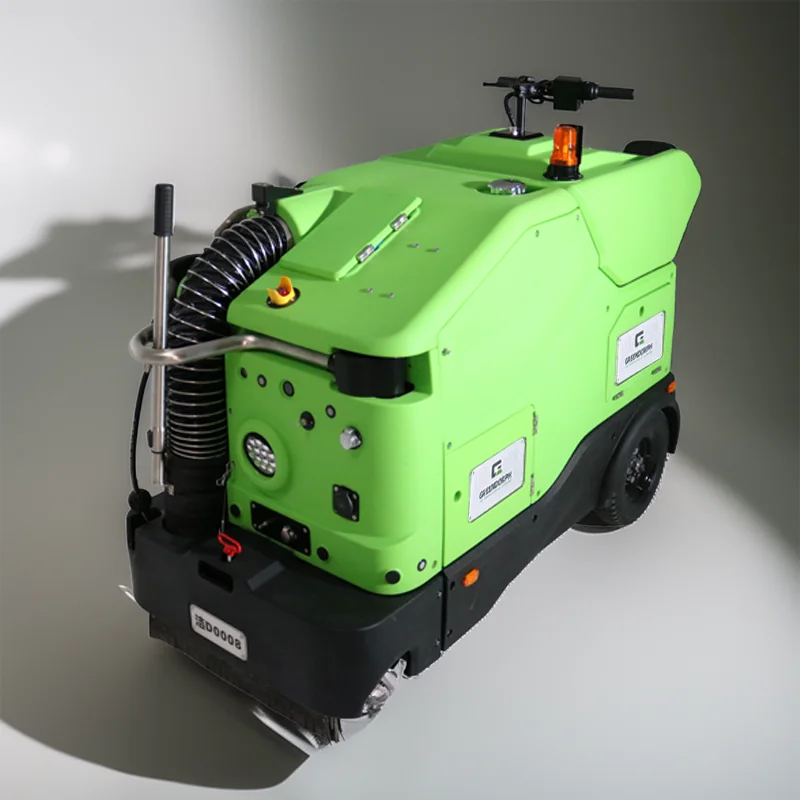
Across the country, educational institutions are rethinking how they maintain campus grounds. From elementary school courtyards to university quadrangles, the demand for consistently clean, safe, and inviting outdoor spaces has never been higher. Yet facility teams face a persistent challenge: manual sweeping is labor‑intensive, walk‑behind machines cover limited areas, and traditional equipment often disrupts class schedules with noise and emissions. We at Greendorph have worked closely with campus administrators who found a compelling alternative—an outdoor robotic vacuum cleaner that operates autonomously, reduces labor strain, and delivers measurable improvements in cleanliness while aligning with institutional sustainability goals.
Uninterrupted Cleaning During Peak Campus Hours
One of the most immediate advantages an outdoor robot cleaner brings to educational settings is the ability to work without disrupting daily operations. Schools and universities function on tight schedules; classes, events, and pedestrian traffic dominate from early morning through evening. Conventional sweeping equipment, especially ride‑on or tow‑behind units, introduces noise, exhaust fumes, and the need to cordon off areas during operation. An autonomous platform, by contrast, can be scheduled to clean during early morning hours, between class periods, or even during lunch breaks when pedestrian density is lower. Because it operates quietly and without a driver, students and staff move around it naturally. For facility managers, this means cleaning no longer competes with academic activities. The outdoor robotic vacuum cleaner becomes a silent, predictable part of campus operations—one that does not require overtime shifts or weekend crews to achieve daily cleanliness standards.
Reducing Physical Strain and Improving Workforce Allocation
Campus grounds often span dozens of acres, with hardscapes that include plazas, walkways, and outdoor dining areas. Assigning staff to manually sweep these zones or operate walk‑behind equipment leads to repetitive physical exertion, particularly on large campuses where sweeping routes can exceed several miles per day. Over time, this contributes to fatigue, turnover, and injury risk. By deploying an outdoor robot cleaner, institutions can reallocate their existing personnel to higher‑value tasks—landscaping, deep cleaning of indoor facilities, or preventive maintenance—while the autonomous unit handles daily debris removal. We have observed that facilities adopting this approach typically reduce hours spent on manual outdoor sweeping by more than half, allowing teams to focus on tasks that require human judgment and dexterity. The result is not only a more satisfied workforce but also a more resilient facility operation where essential cleaning continues even during staffing shortages or peak vacation periods.
Data‑Driven Consistency and Environmental Alignment
Another factor driving adoption is the increasing expectation for measurable outcomes and environmental responsibility. An outdoor robotic vacuum cleaner equipped with sensor technology provides detailed coverage logs, debris load mapping, and battery consumption data. For campus sustainability offices, this data supports reporting on emissions reductions—especially when the unit is electric—and validates cleaning frequency decisions. Unlike manual methods where consistency varies by individual operator, the robotic platform executes programmed routes with repeatable precision. Every plaza receives the same thorough pass; every curb edge is addressed with the same broom overlap. This level of consistency matters in educational environments where safety is paramount: accumulated debris, gravel, or fallen leaves can become slip hazards or impede accessibility for students with mobility devices. Administrators we speak with emphasize that the outdoor robot cleaner functions as both a cleaning tool and a risk‑management asset, providing documented evidence that high‑traffic zones are maintained to standard every scheduled day.
For schools and universities, the decision to invest in an outdoor robotic vacuum cleaner stems from practical, evidence‑based considerations. These autonomous platforms enable cleaning during non‑disruptive hours, preserve staff well‑being by removing physically demanding tasks, and deliver consistent, documentable results that support safety and sustainability objectives. As educational facilities face growing pressure to do more with existing resources, the transition to robotic outdoor cleaning represents a strategic shift—one that aligns operational efficiency with the core mission of providing safe, welcoming campus environments. Institutions that have made this move consistently report not only cleaner grounds but also greater flexibility in how they deploy their workforce, ultimately creating a more sustainable model for campus maintenance.