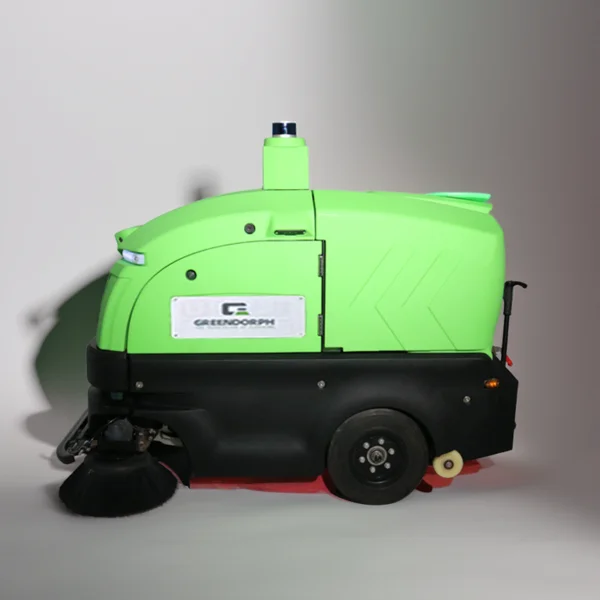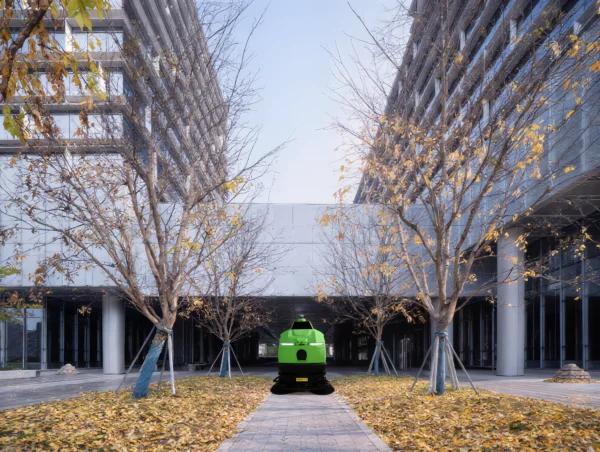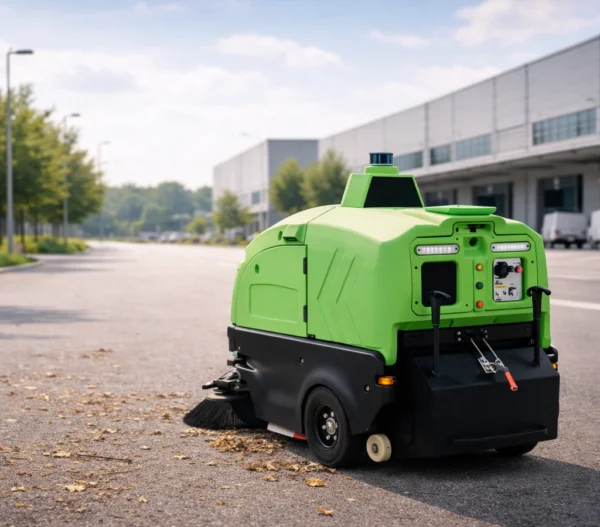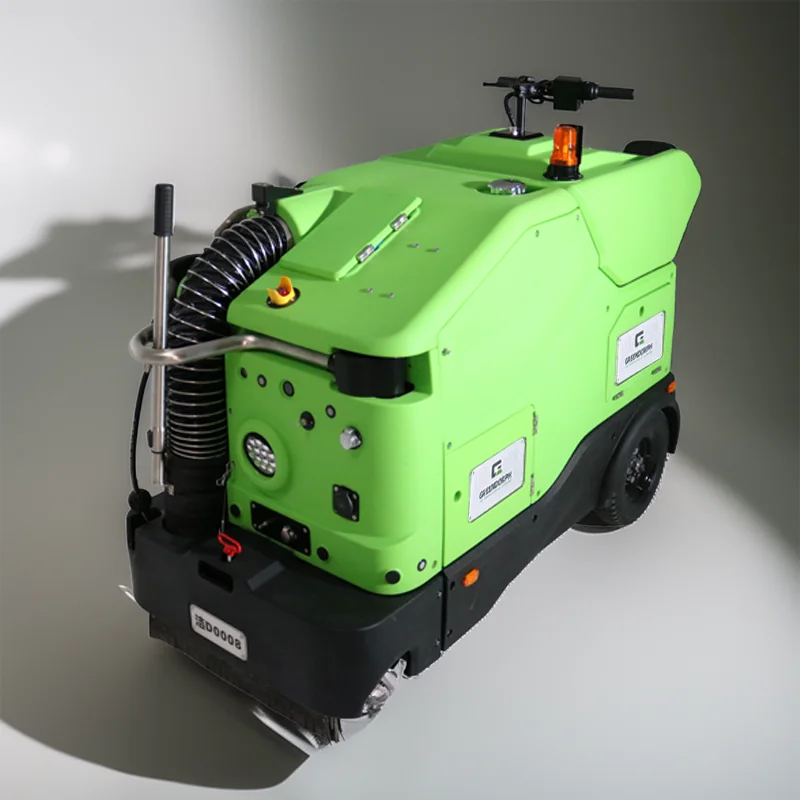
Deploying autonomous cleaning equipment in public spaces introduces a fundamental shift in how facilities manage floor maintenance. Unlike traditional floor cleaning machines that depend entirely on an operator’s presence, autonomous units operate alongside pedestrians, vehicles, and unpredictable foot traffic. Our work across airports, transit hubs, and commercial plazas has taught us that safety in these environments is not merely about machine sensors—it is about designing operational protocols that anticipate human behavior and create clear boundaries between automated workflows and public activity.
Defining Operational Zones and Exclusion Areas
The first layer of safety begins with spatial planning. Before any autonomous cleaning equipment is activated, we map the site into distinct operational zones: active cleaning areas, transition paths, and no‑go zones. In high‑traffic public spaces, we schedule autonomous operations during periods of reduced occupancy or designate physical barriers such as retractable belts to separate cleaning zones from pedestrian routes. For floor cleaning machines operating autonomously, we configure geofencing parameters that automatically slow the unit when approaching zone boundaries and stop movement if the machine detects entry into a restricted area. In our deployments, we have observed that clearly marked exclusion zones reduce unplanned human‑machine interactions by over 70% compared to facilities that rely solely on onboard sensors. These zones are reviewed daily with facility security teams to account for temporary events or layout changes.
Remote Supervision and Real‑Time Intervention
Autonomy does not eliminate the need for human oversight; it shifts the operator’s role from steering to supervision. We equip our autonomous cleaning equipment with centralized remote monitoring dashboards that display live video feeds, battery status, and obstacle detection events. A single supervisor can oversee multiple floor cleaning machines across a campus, intervening remotely to pause a unit or reroute it when unexpected hazards appear—such as spilled liquids, temporary crowd gatherings, or maintenance barriers. We train facility teams to treat this supervision as a proactive function, not a reactive one. For example, when an autonomous cleaning equipment unit encounters three consecutive obstacle‑avoidance events within a short span, the system flags the location for manual inspection. This workflow prevents the machine from repeatedly attempting an unsafe path while allowing supervisors to address root causes without disrupting the entire cleaning schedule.
Fail‑Safe Mechanisms and Emergency Response
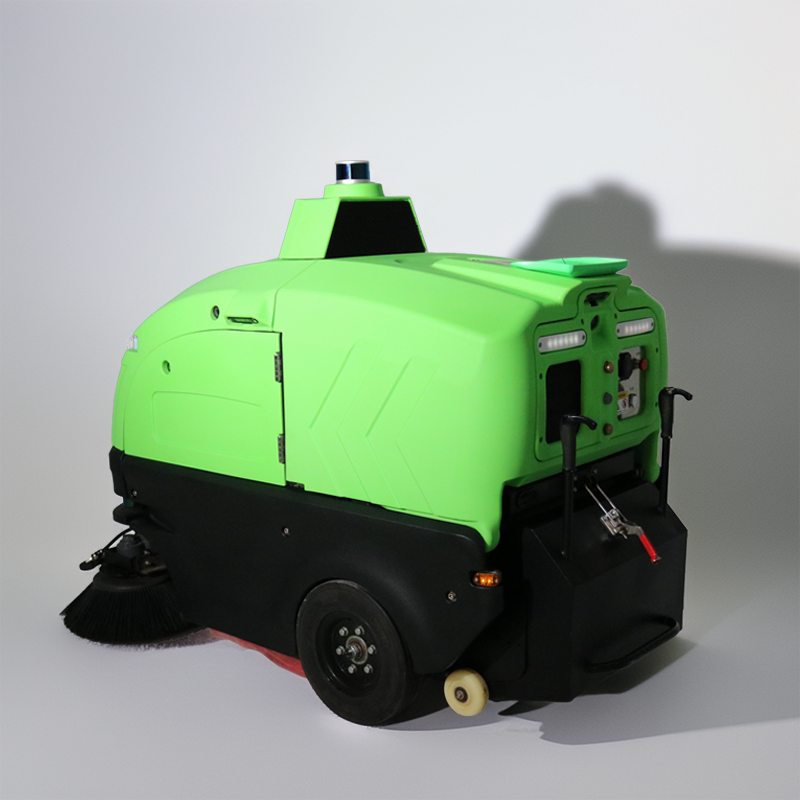
Public environments demand that autonomous cleaning equipment behaves predictably during system faults or external interference. We at Greendorph incorporate multiple fail‑safe layers: physical emergency stop buttons mounted on the machine chassis, audible and visual alerts that activate when the unit stops unexpectedly, and a teleoperation mode that allows a remote operator to drive the floor cleaning machines out of congested areas if autonomous navigation is compromised. In our safety protocols, every public‑space deployment includes an emergency response drill with facility staff, ensuring they know how to manually power down an autonomous cleaning equipment unit and how to guide pedestrians away from a stationary machine. We also require that cleaning routes be designed so that any autonomous cleaning equipment can return to a designated docking station without crossing high‑risk intersections, further reducing the potential for unplanned encounters.
Operating autonomous cleaning equipment in public demands a safety framework that extends beyond the machine itself. Clear spatial planning, active remote supervision, and robust fail‑safe engineering create an environment where automation enhances safety rather than introducing new risks. When these elements are integrated into daily operations, floor cleaning machines become reliable, unobtrusive partners in maintaining public spaces—delivering consistent cleanliness without compromising the safety of the people they serve.