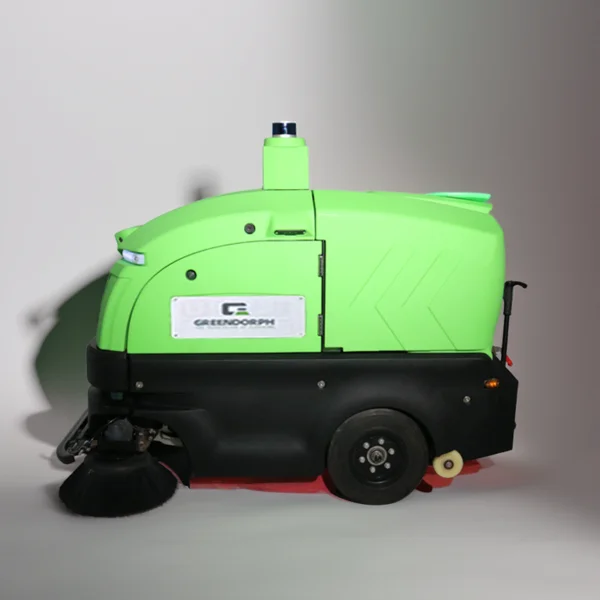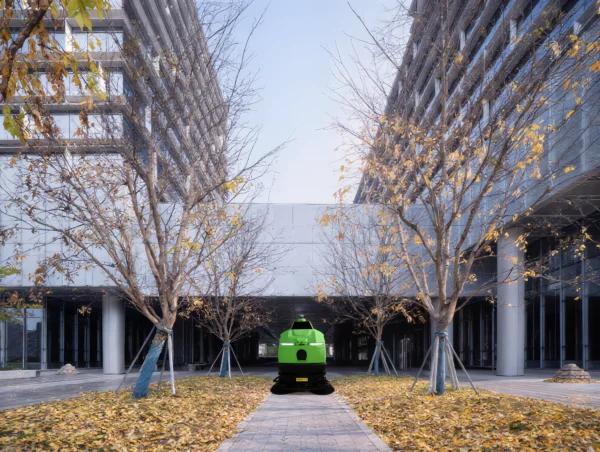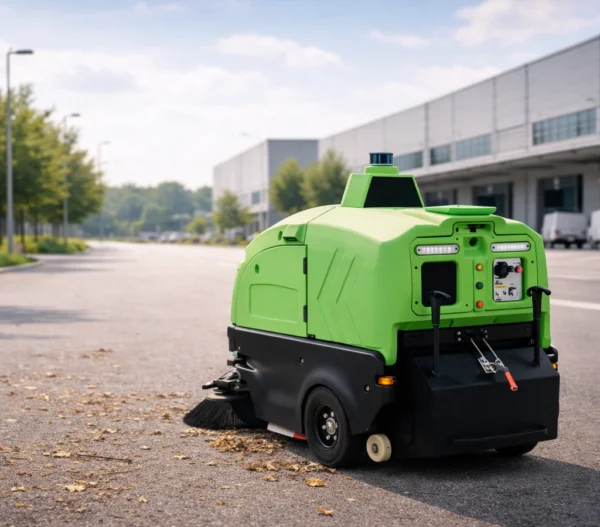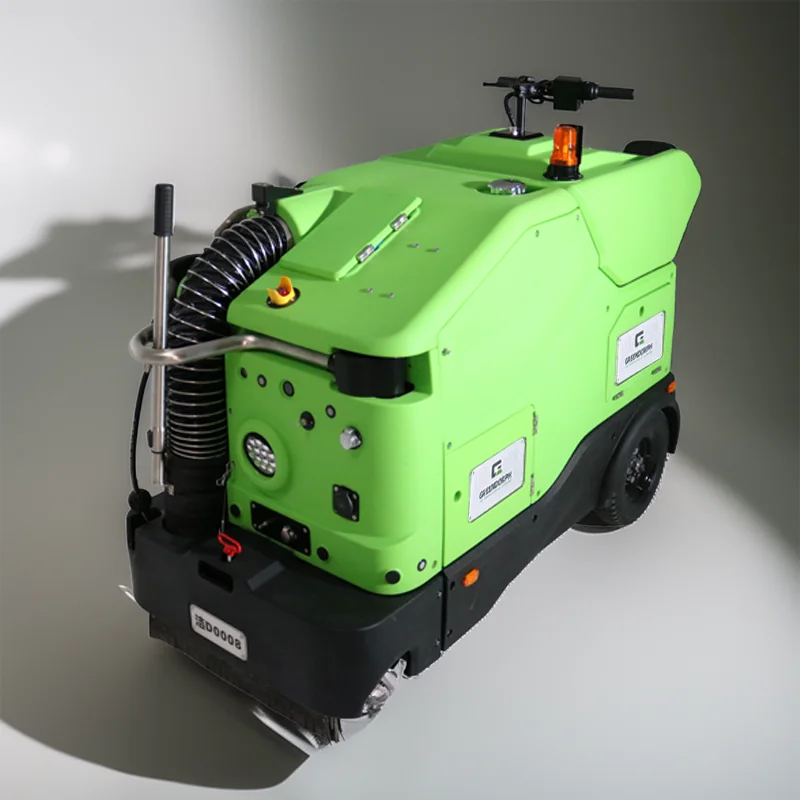
Making a decision about commercial cleaning equipment often feels like balancing competing priorities. Facility managers, operations directors, and procurement teams must weigh initial investment against long-term reliability, technological sophistication against ease of service, and autonomous capability against workforce integration. Across our global deployments, we have observed that the diversity of automatic floor scrubber models available today—ranging from compact walk-behind units to fully autonomous robot floor cleaner systems—presents both opportunities and challenges. Understanding the trade-offs inherent in each category enables organizations to select equipment that aligns with their specific operational environment, labor profile, and performance expectations.
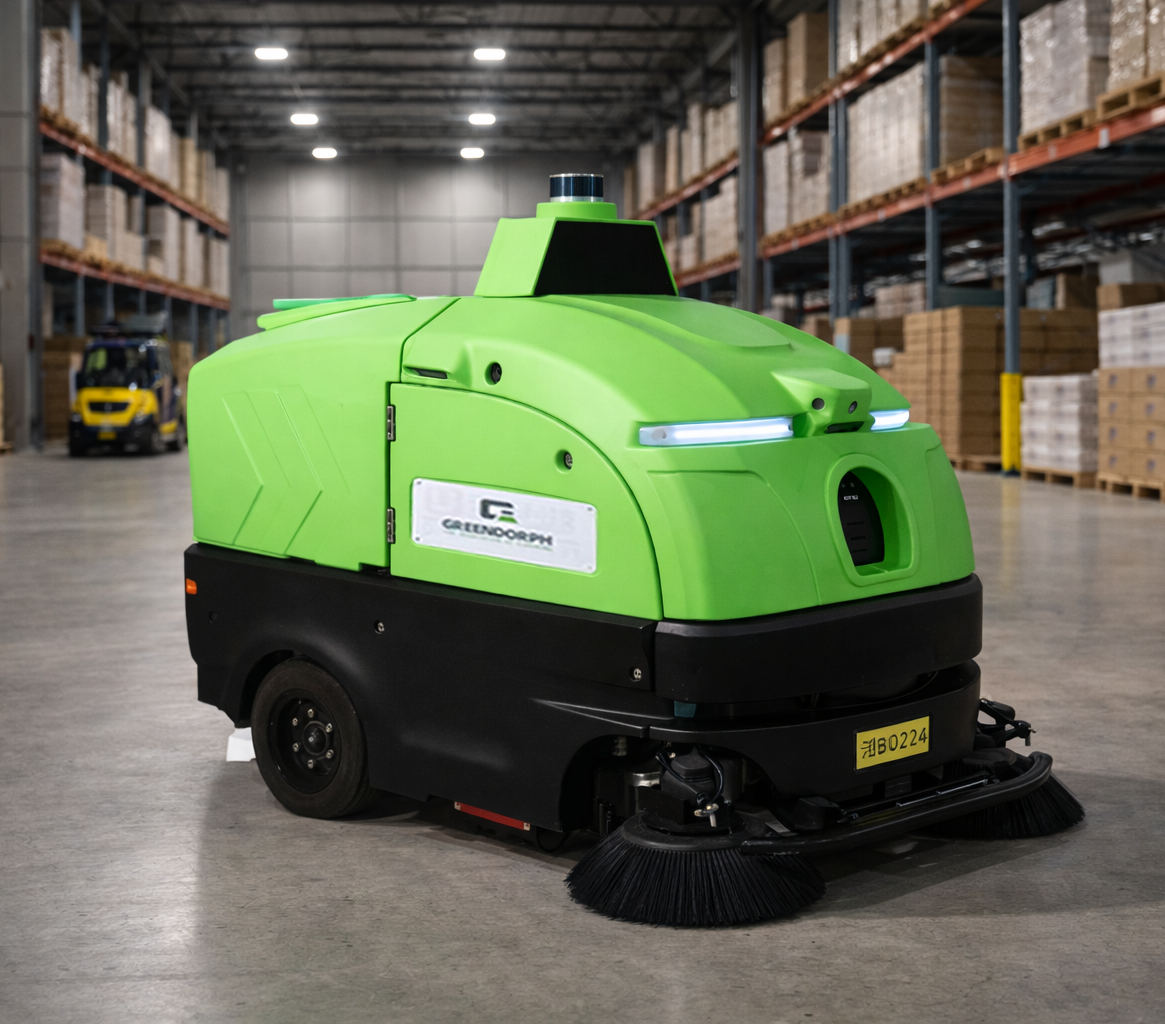
Evaluating Navigation Technologies in Robot Floor Cleaner Models
The navigation system defines how an autonomous unit interacts with its environment. Among robot floor cleaner models, two primary approaches dominate: LiDAR-based navigation and vision-based navigation. Each carries distinct advantages and limitations.
LiDAR-equipped robot floor cleaner systems offer exceptional accuracy in mapping and localization, performing consistently under varied lighting conditions and in environments with low contrast surfaces. The primary trade-off lies in hardware cost—LiDAR sensors add to the upfront investment. However, from a total-cost-of-ownership perspective, we have found that the reliability of LiDAR-based automatic floor scrubber units reduces service calls related to localization failures, particularly in large-scale industrial facilities where lighting varies across zones.
Vision-based navigation, by contrast, typically offers a lower entry price point. These robot floor cleaner models rely on camera inputs and machine learning algorithms to recognize features and obstacles. The advantage is flexibility in dynamic environments where floor layouts change frequently. The drawback surfaces in scenarios with poor illumination, reflective floors, or environments where visual markers become obscured by debris. Organizations choosing vision-only automatic floor scrubber units should evaluate their facility’s lighting consistency and the frequency of layout changes to determine whether the trade-off aligns with operational realities.
Scrubbing Efficiency and Maintenance Considerations for Automatic Floor Scrubber Units
Beyond navigation, the cleaning mechanism itself determines whether an automatic floor scrubber delivers consistent results across different surface types and soil loads. Here, the comparison often centers on disc scrub decks versus cylindrical brush systems.
Disc-style automatic floor scrubber models provide reliable agitation for general industrial and warehouse floors. Their wide availability and straightforward parts replacement make them a familiar choice for maintenance teams. The trade-off appears in uneven surfaces or grouted floors, where disc pads may leave untreated gaps. Cylindrical brush systems address this by using counter-rotating brushes that actively agitate debris and channel it directly into the recovery system. For facilities with textured concrete, tile, or expansion joints, cylindrical automatic floor scrubber units often achieve a more uniform result. The trade-off is increased mechanical complexity, which can raise the frequency of brush maintenance.
Battery technology represents another consideration. Lead-acid batteries remain common in entry-level robot floor cleaners and traditional scrubber models, offering lower initial cost but requiring watering, equalization, and ventilation. Lithium-ion configurations, while carrying a higher upfront premium, deliver longer cycle life, opportunity charging capability, and reduced maintenance labor. Across our deployments, we at Greendorph have observed that facilities operating two or more shifts typically realize the cost advantage of lithium-ion within the first 24 months of operation, making it a favorable trade-off for high-utilization environments.
Connectivity, Scalability, and Total Cost of Ownership
The most consequential trade-off in modern automatic floor scrubber selection involves connectivity. Models equipped with telematics and cloud integration offer capabilities that standalone units cannot match—real-time utilization tracking, predictive maintenance alerts, and route optimization based on actual debris accumulation patterns. For organizations managing fleets across multiple facilities, connected robot floor cleaner systems provide centralized visibility that transforms floor care from an operational expense into a managed asset.
The trade-off is both financial and organizational. Connected automatic floor scrubber units require investment in platform access, network infrastructure in coverage areas, and staff training to interpret data outputs. Facilities with limited IT resources or those where cleaning operations remain decentralized may find that the incremental benefit does not justify the added complexity. Conversely, enterprises with centralized facility management structures often realize rapid payback through reduced labor hours, extended equipment life, and consistent documentation for compliance audits.
No single automatic floor scrubber model universally outperforms all others because operational environments vary too widely. The optimal choice depends on how an organization weighs navigation reliability against upfront cost, scrubbing mechanism performance against maintenance complexity, and connectivity capabilities against operational scale. By evaluating these trade-offs systematically—considering facility layout, lighting conditions, surface types, utilization intensity, and management infrastructure—decision-makers can select an automatic floor scrubber or robot floor cleaner that delivers not only clean floors but also sustained operational value. The right model is the one whose trade-offs align most closely with the demands of the environment it will serve.