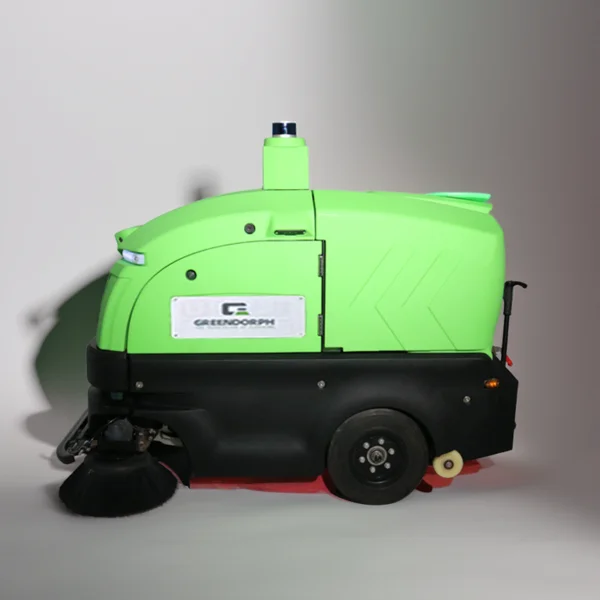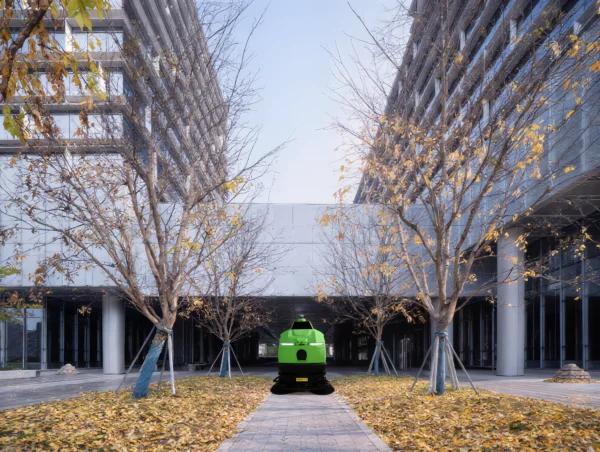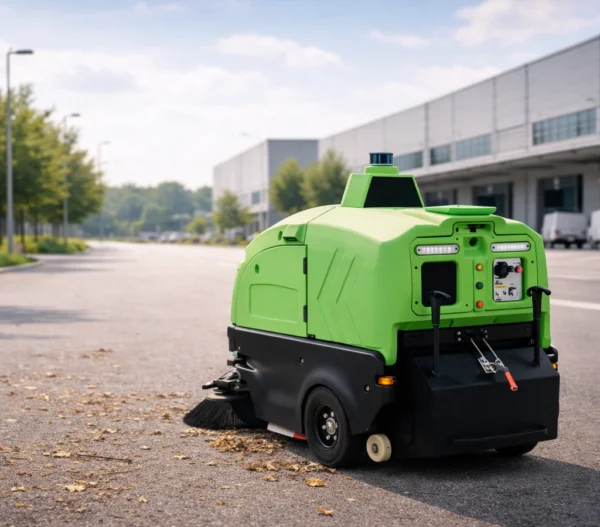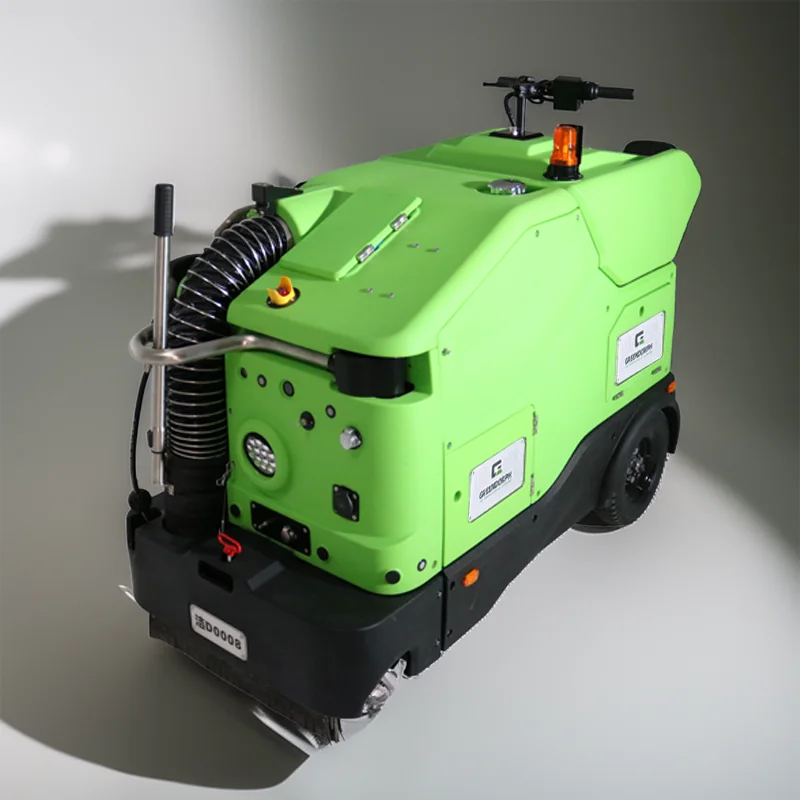
Comparative testing between mechanized cleaning systems requires a structured approach that isolates the variables most relevant to facility operations. At Greendorph, we regularly conduct side‑by‑side evaluations of different cleaning technologies to help our clients make data‑informed decisions. One of the most common comparisons we perform involves the modern electric floor sweeper—particularly those with integrated robotic intelligence—against conventional suction sweepers that rely solely on airflow for debris pickup. These tests go beyond simple runtime metrics; they examine how each system performs across debris types, floor surfaces, and sustained operational conditions. Below we share the framework and findings from our efficiency test protocols, which consistently reveal where a robot floor cleaner or an advanced electric floor sweeper delivers measurable advantages.
Testing Parameter 1: Debris Pickup Efficiency Across Particle Sizes
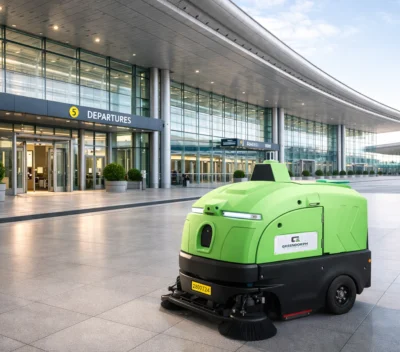
Our efficiency test begins by categorizing debris into three size ranges: fine dust (sub‑100 micron), granular media (sand and small aggregates), and bulky debris (twigs, packaging fragments, and litter). Traditional suction sweepers excel in the fine dust category when equipped with high‑airflow motors and well‑sealed filter systems. However, we observed that their performance drops sharply with granular media that tends to lodge in surface textures, as suction alone often fails to dislodge particles embedded in pavement pores or tile grout lines. In contrast, a robot floor cleaner designed with a counter‑rotating brush system—similar to what we incorporate into our outdoor units—mechanically agitates the surface before suction, lifting both fine and granular debris into the airstream. Across our test runs on standardized floor panels, the electric floor sweeper with active brush agitation removed over 95 percent of granular media in a single pass, whereas traditional suction sweepers required multiple passes to achieve comparable results. For bulky debris, the mechanical conveyance of a brush‑assisted electric floor sweeper also proved more reliable, reducing the frequency of manual pre‑sweeping that facility crews had to perform.
Testing Parameter 2: Energy Consumption Per Square Meter
Operational efficiency extends beyond cleaning effectiveness to include energy costs. Our test protocol measures power draw at the unit level and calculates kilowatt‑hours consumed per 1,000 square meters of cleaned area. Traditional suction sweepers typically rely on high‑RPM motors that maintain constant suction regardless of surface debris load. This design simplicity offers reliability but often results in energy waste during low‑debris segments. Conversely, a modern robot floor cleaner equipped with load‑sensing controls can modulate suction power and brush speed based on real‑time debris detection. In our controlled test environment, we programmed both machine types to clean identical floor sections with varying debris densities. The electric floor sweeper with adaptive controls consumed approximately 30 percent less energy per cleaned area compared to the fixed‑speed suction sweeper, primarily because it reduced power during clean sections and increased it only when encountering concentrated debris. For facilities that operate multiple units across large campuses, this difference translates directly into lower electricity costs and extended battery range per charge cycle.
Testing Parameter 3: Maintenance Downtime and Component Wear
An efficiency test that does not account for maintenance interruptions yields an incomplete picture of real‑world performance. We tracked both systems over 200 operational hours, monitoring scheduled maintenance tasks, unplanned stoppages, and component replacement intervals. Traditional suction sweepers, with their simpler drivetrains and fewer moving parts, initially appeared to have an advantage in mechanical simplicity. However, we found that the filter systems on these units required frequent cleaning to maintain suction performance, particularly in environments with fine dust. Each filter cleaning cycle took an operator offline for 10 to 15 minutes, and in dusty conditions this occurred multiple times per shift. The robot floor cleaner we tested incorporated a self‑cleaning filter mechanism and a brush system designed for quick removal without tools. As a result, total maintenance downtime over the 200‑hour period was 40 percent lower for the electric floor sweeper than for the traditional suction sweeper. Additionally, brush wear rates were comparable, but the modular design of the electric floor sweeper allowed component swaps to be completed in under five minutes, whereas the suction sweeper required more involved disassembly.
The efficiency gap between an electric floor sweeper and a traditional suction sweeper becomes evident only when testing encompasses debris pickup consistency, energy consumption, and maintenance demands. Our side‑by‑side evaluations show that a robot floor cleaner with active brush agitation and adaptive controls consistently achieves higher first‑pass removal rates, lower energy use per square meter, and reduced maintenance downtime compared to conventional suction‑only units. At Greendorph, we apply these testing protocols to validate our own designs and to guide facility managers toward solutions that align with their operational priorities. For organizations seeking to modernize their floor cleaning fleets, understanding these performance differences is the first step toward selecting equipment that delivers sustained efficiency.