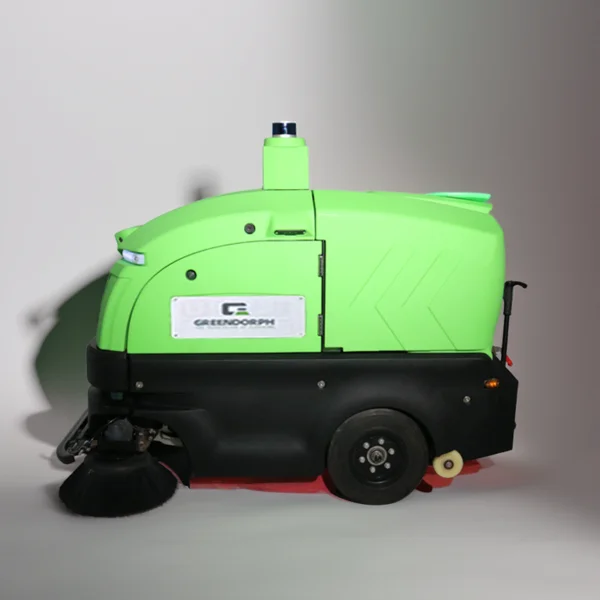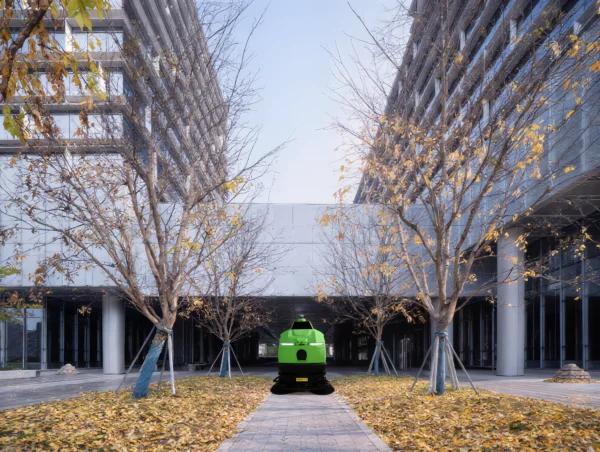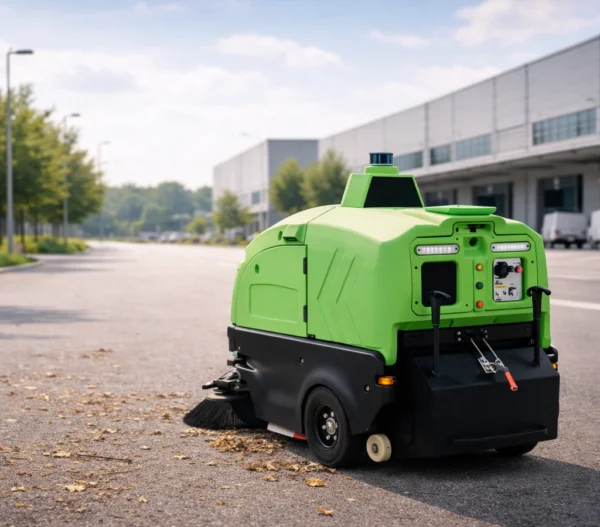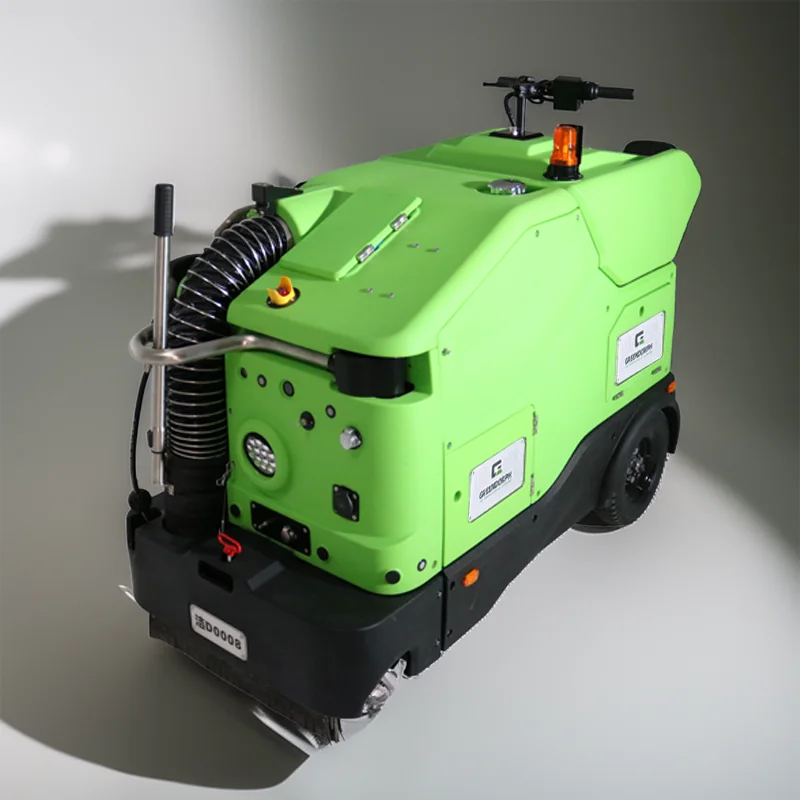
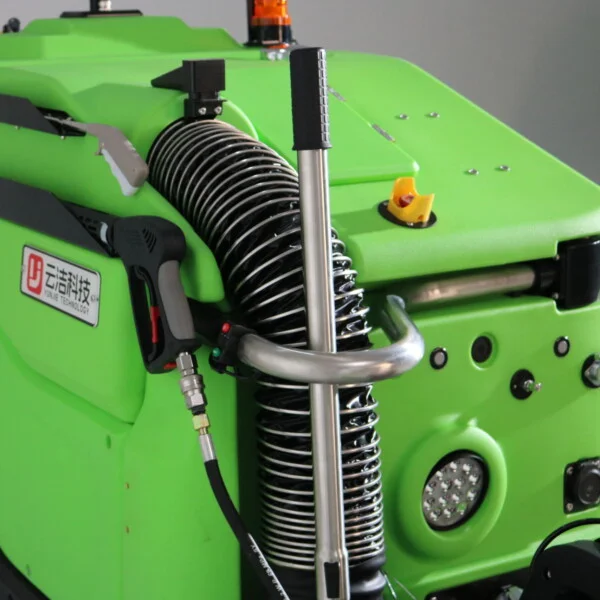
Dust management remains a critical operational priority for any large-scale logistics facility. When we observe high-traffic areas, we realize that equipment performance relies heavily on how well the air filtration system captures fine particulate matter. At Greendorph, we emphasize proactive maintenance schedules to ensure your floor cleaning hardware continues to function at peak capacity. By focusing on the health of your intake systems, you can significantly reduce the frequency of part replacements while maintaining a pristine facility environment. Every warehouse sweeper in your fleet represents a significant asset, and proper care ensures your investment stays protected.
Regular Inspection Protocols for Filtration Systems
Frequent assessments of the primary filter are essential to prevent premature engine strain. When you operate a warehouse sweeper, the accumulation of dust on the filter media directly impacts suction power and overall cleaning speed. We recommend establishing a strict schedule for cleaning or replacing these elements based on the specific debris levels found in your facility. Our internal testing indicates that simple, consistent checks allow the machinery to breathe properly, preventing the overheating issues that frequently stem from restricted airflow. Keeping an eye on the state of your filter early in its lifecycle avoids expensive repairs and downtime for your core operations.
Effective Maintenance Strategies for Suction Components
Managing the debris collection cycle is vital for maximizing the longevity of your hardware. A high-quality warehouse vacuum sweeper requires clear pathways to move dust efficiently from the floor into the containment bin. When the suction path becomes partially blocked by compacted material, the motor must work significantly harder, which generates excessive heat. At Greendorph, we provide guidance on how to monitor vacuum pressure during daily use, as this serves as an early indicator of potential blockage. We know that field staff often face time constraints, yet dedicating a few minutes to clear the intake channels prevents the accumulation of stubborn residues that compromise system efficiency.
Environmental Impact on Filter Degradation
Ambient conditions often dictate how quickly your filtration components reach their end-of-life status. In environments characterized by high humidity or extreme levels of fine dust, the workload placed on a warehouse sweeper increases exponentially compared to cleaner industrial spaces. We design our equipment at Greendorph to withstand these harsh realities, but physical wear remains a constant factor for any mechanical system. If your facility deals with specialized materials such as powdered additives or heavy grit, consider rotating your filtration units more frequently. Regularly monitoring how the warehouse vacuum sweeper interacts with these specific environmental stressors provides the data needed to adjust your maintenance cycles effectively for improved performance.
Proactive care for your equipment ensures that you receive the highest return on your capital investment. By prioritizing the cleanliness of your filtration media, you protect the mechanical heart of your machinery from unnecessary stress. We advocate for a disciplined approach to maintenance, as this saves time and resources across every shift. Whether you are managing a single unit or a full fleet, attention to these technical details guarantees that your floors remain clean and your infrastructure stays operational for years to come. The effort invested in maintaining a functional warehouse vacuum sweeper today pays off through consistent cleaning results and reduced mechanical fatigue during your future operations.