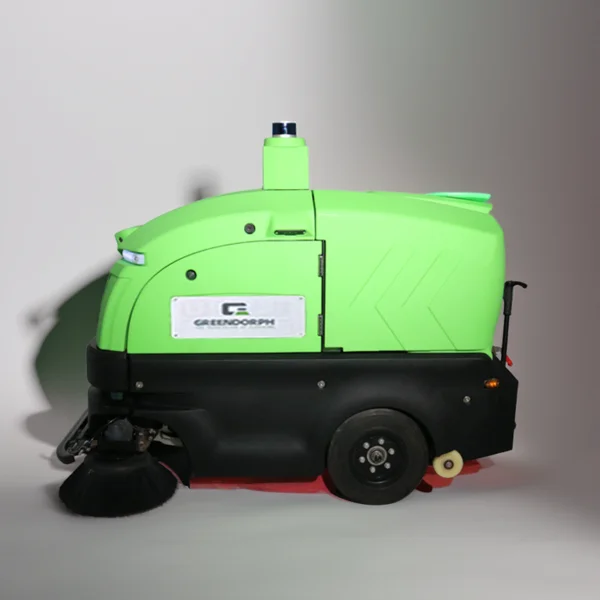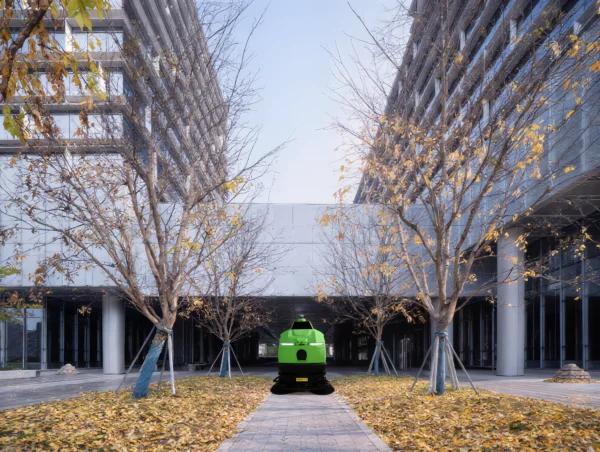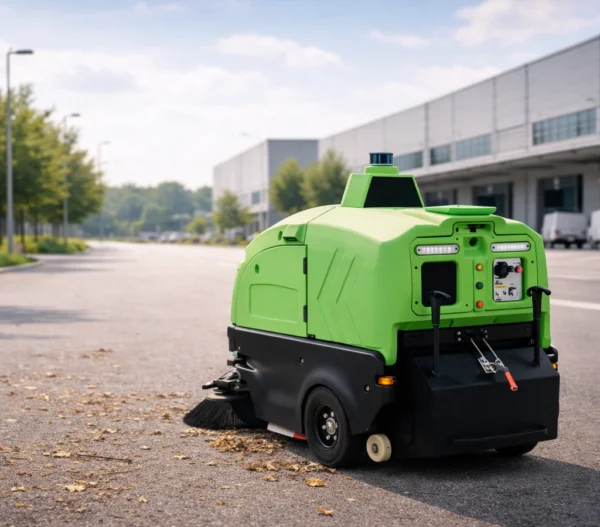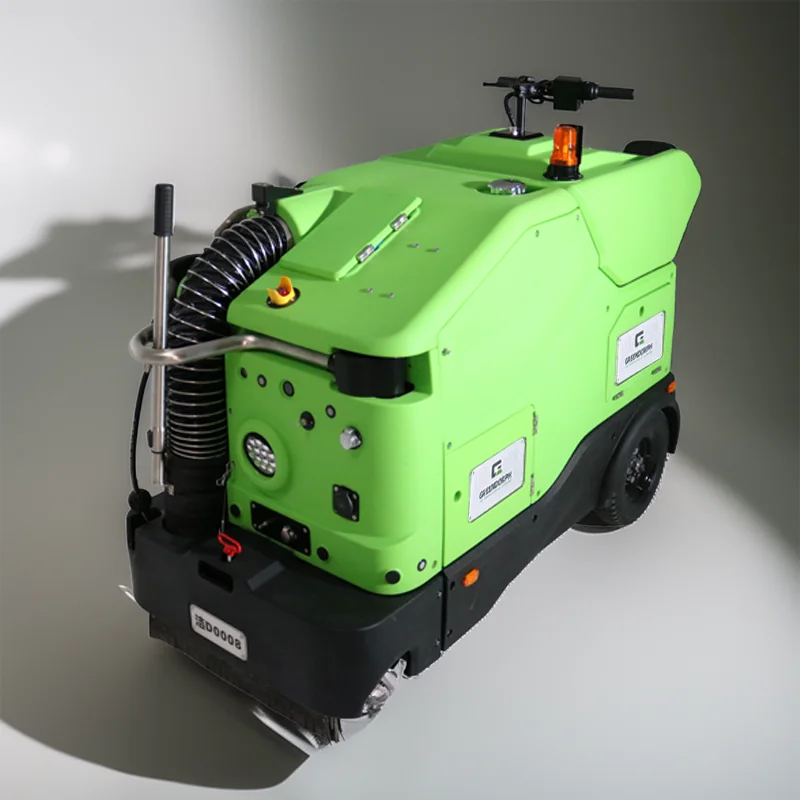
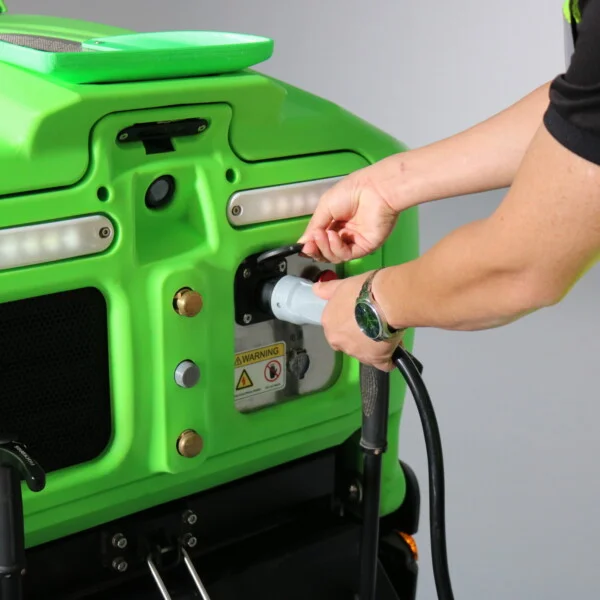
When we oversee large-scale logistics operations, the cleanliness of the floor directly influences both site safety and operational efficiency. Many facility managers inquire whether autonomous systems can effectively replace traditional manual equipment. At Greendorph, we frequently examine the trade-offs between human-operated machinery and robotic technology. Determining the correct solution requires an objective assessment of how a warehouse sweeper interacts with your specific daily workflows and physical facility constraints.
Assessing Operational Efficiency and Labor
The primary case for adopting autonomous technology centers on the ability to handle repetitive, time-consuming tasks without requiring continuous human oversight. A modern floor sweeper for warehouse applications acts as a persistent maintenance asset, functioning during off-peak hours to ensure surfaces stay clear of dust and debris. Unlike traditional ride-on models, which demand a dedicated operator for every cleaning cycle, an autonomous unit manages high-traffic zones with consistent precision. This shift enables our staff to focus on critical logistics tasks, effectively redirecting labor hours toward more complex warehouse management responsibilities.
Analyzing Performance Limits and Durability
While robotics offer remarkable consistency, physical limitations remain a reality for industrial cleaning. A ride-on warehouse sweeper is typically engineered for raw power, capable of tackling heavy-duty spills or massive volumes of debris that might exceed the capacity of a smaller autonomous system. Conversely, a floor sweeper for warehouse use excels at precision and routine particle removal. If your site deals with constant heavy industrial waste, the robust chassis and high-capacity hopper of a traditional ride-on machine provide durability that smaller robots might not match. We advise our clients at Greendorph to evaluate whether their primary requirement is consistent daily sanitation or periodic, large-scale debris removal.
Calculating Long-Term Financial Impact
Financial planning for facility maintenance encompasses more than just the initial acquisition cost of the hardware. A ride-on warehouse sweeper requires a continuous stream of operator labor, which results in significant recurring expenditures. In contrast, integrating a floor sweeper for warehouse maintenance into your facility establishes a predictable, automated rhythm that lowers long-term operational costs. While the initial investment in robotics may appear substantial, the decrease in labor reliance often generates a favorable return on investment over time. At Greendorph, we maintain that combining smart, automated hardware with established maintenance protocols creates the most stable environment for high-volume logistics hubs.
The decision between these two platforms hinges on the unique layout and debris profile of your facility. Robotics bring autonomous consistency and labor optimization, while ride-on platforms provide the brute force necessary for extreme conditions. By analyzing these specific capabilities, you can ensure your facility remains safe and organized to satisfy the rigorous requirements of modern industrial operations.