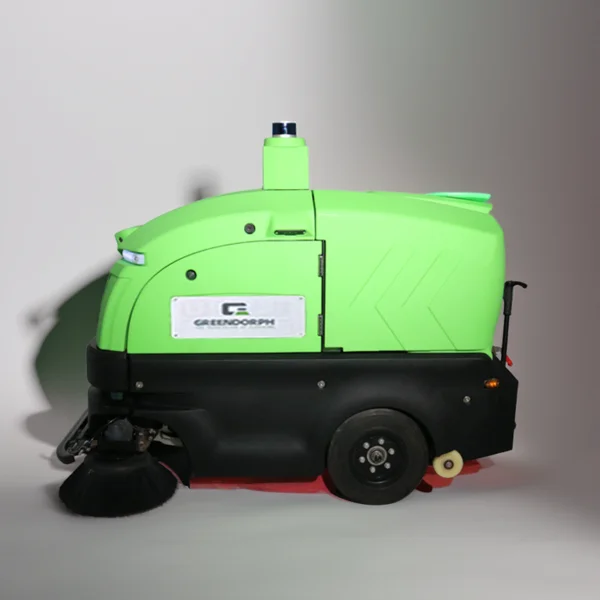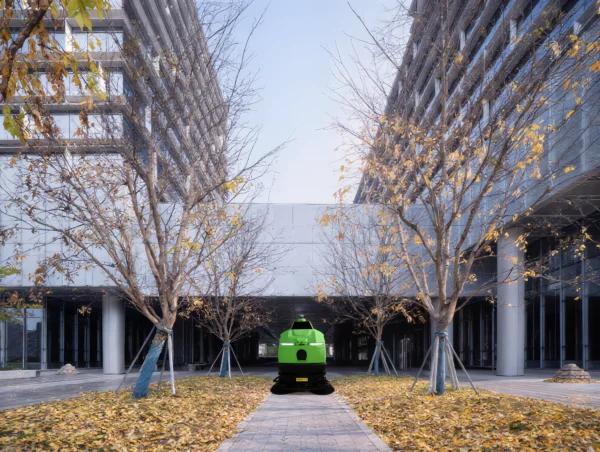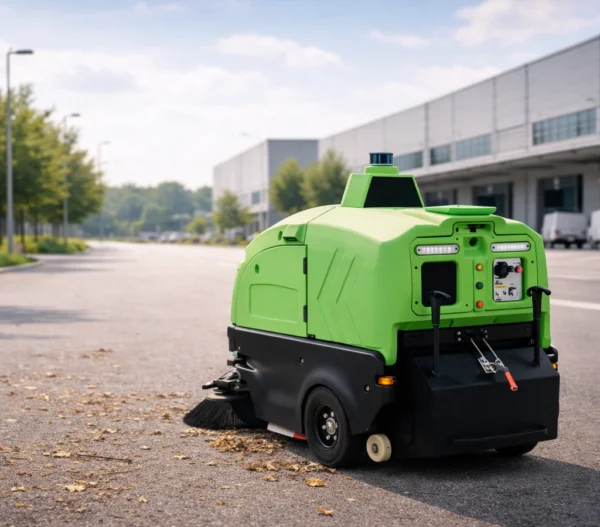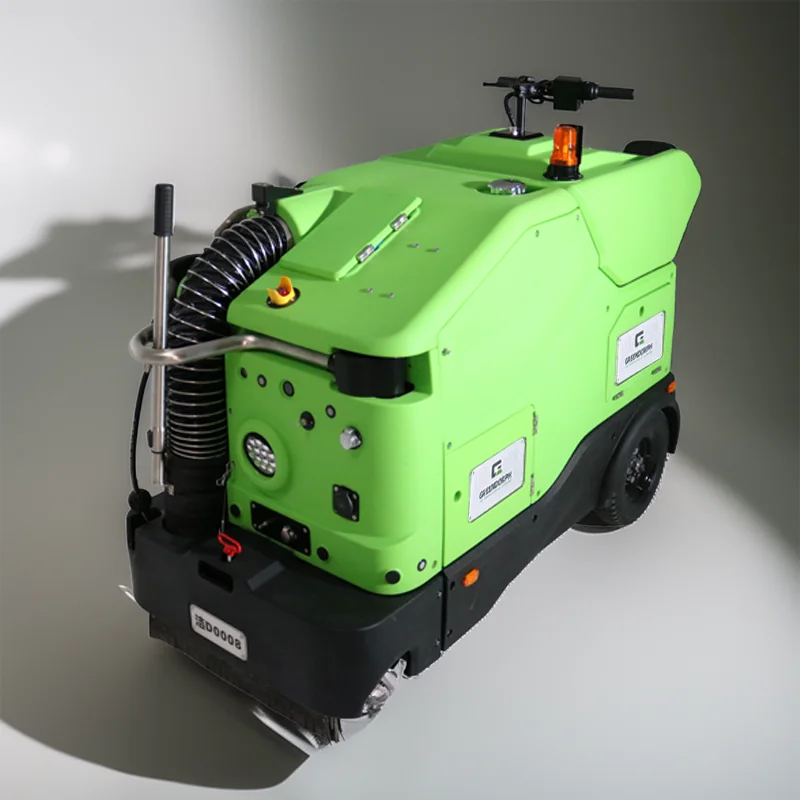
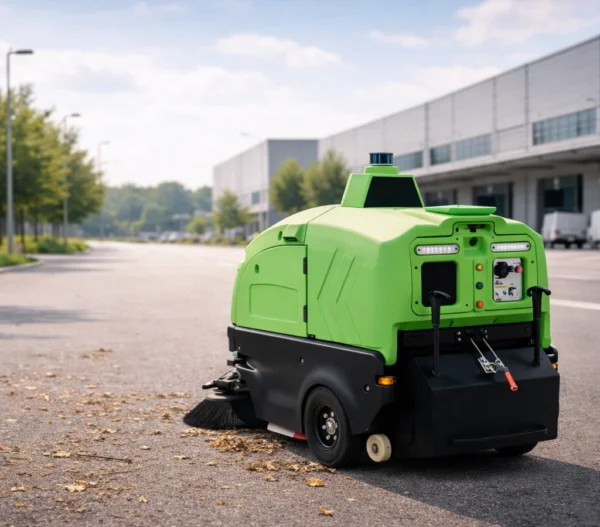
When we manage large-scale operations, the temptation to focus exclusively on the initial price tag of machinery is strong. However, we often find that a narrow view of procurement expenses leads to significant budgetary gaps later in the operational cycle. To accurately assess the value of an industrial cleaning machine, we must shift our attention toward the total cost of ownership. This framework accounts for not just the sticker price, but the hidden variables that dictate long-term profitability. At Greendorph, we believe that informed facility managers look past the immediate debit to calculate how equipment performance influences their annual bottom line.
Beyond the Sticker Price: Evaluating Long-Term Value
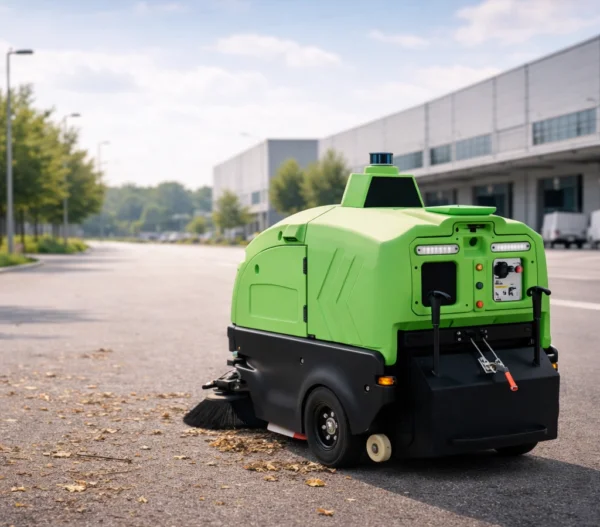
The real cost of any hardware is an accumulation of initial investment, recurring maintenance, and labor efficiency gains. When we compare various industrial vacuum cleaners for a warehouse environment, we notice that cheaper, low-durability models often require frequent part replacements and more intensive service schedules. These secondary expenses quickly erode any savings gained at the point of purchase. By investing in robust systems that minimize downtime, we ensure that the facility remains productive rather than being sidelined for repairs. Durability acts as a multiplier for your investment, providing a reliable foundation for daily maintenance protocols.
The Hidden Operational Impact of Equipment Choice
A critical component of this financial analysis is how specific technology affects your labor force. Using an industrial cleaning machine that is improperly sized for your facility or ill-suited to the debris type will inevitably lead to wasted hours and staff frustration. We have observed that when teams are equipped with tools designed for their specific environment—whether that involves hazardous particulate filtration or high-capacity waste management—overall cleaning time drops substantially. This shift effectively reallocates labor hours toward higher-value tasks, demonstrating that the right equipment functions as an operational lever rather than a mere utility expense.
Protecting Your Facility Assets Through Quality
Reliability is the cornerstone of effective facility management. High-performance industrial vacuum cleaners often come with sophisticated filtration and motor systems that protect the internal components from the very dust they are meant to remove. If we ignore these engineering safeguards to save money, we risk premature motor failure and diminished suction quality, which in turn demands more frequent cycles to achieve the same cleanliness level. At Greendorph, we focus on helping facilities bridge the gap between initial budget constraints and the necessity for long-lasting, high-efficiency systems that perform consistently under heavy loads.
Balancing Fiscal Responsibility and Operational Success
The path toward a leaner budget involves making strategic decisions that prioritize durability and efficiency over short-term savings. When we evaluate the lifetime performance of an industrial cleaning machine, it becomes evident that high-quality assets provide a lower cost per square foot over time. By accounting for maintenance, consumables, and labor savings, we can justify the acquisition of superior equipment that serves the facility for years. Greendorph provides the data and guidance required to make these nuanced assessments, ensuring your facility remains compliant, clean, and financially sound for the long haul.