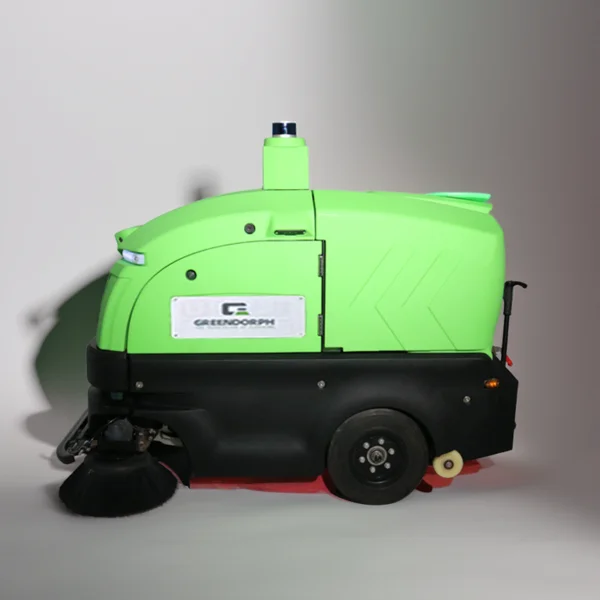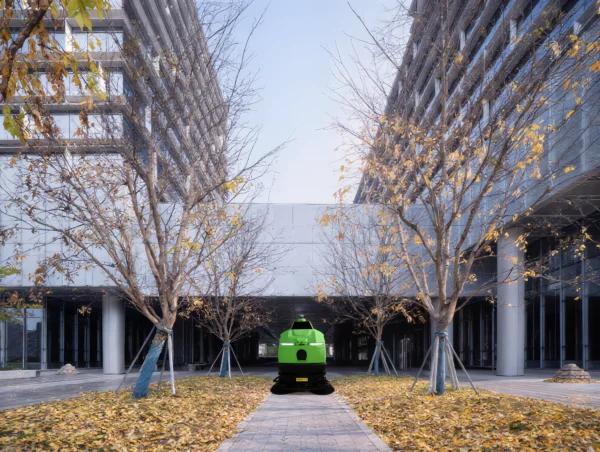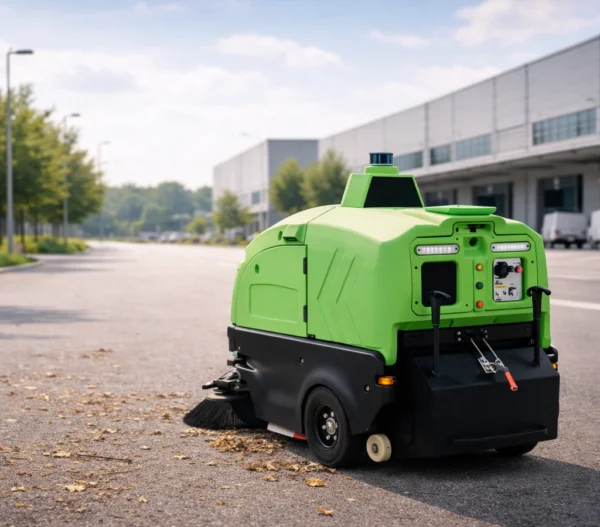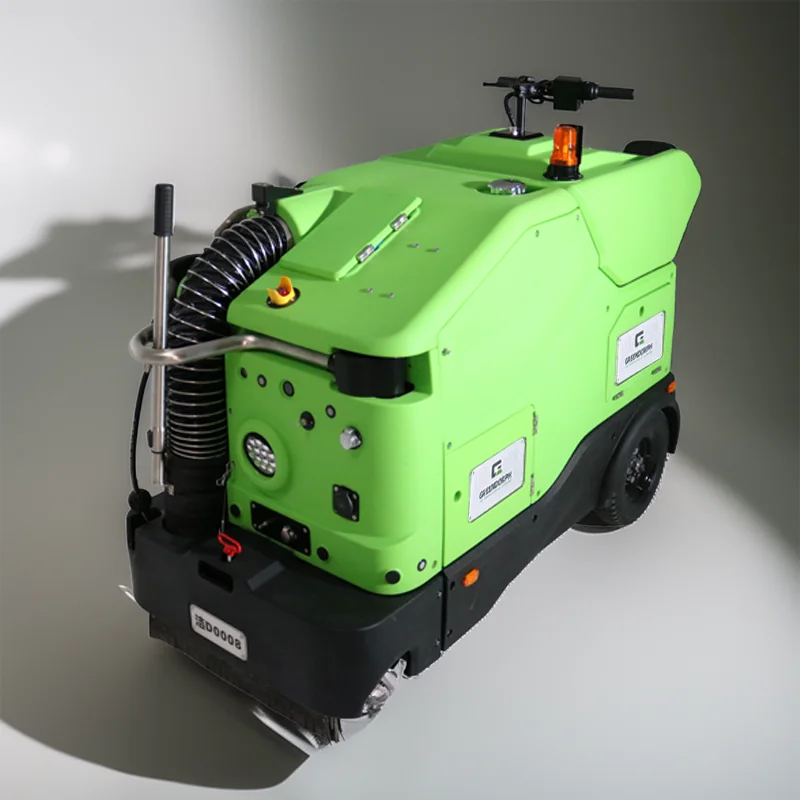
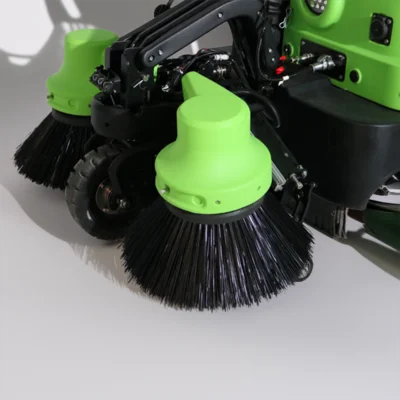
When procurement teams analyze the expenditure required for facility maintenance, the purchase price is often only a fraction of the actual long-term financial commitment. At Greendorph, we emphasize a holistic view of assets, focusing on the total cost of ownership rather than just the initial invoice. A high-performance ride on sweeper serves as a significant investment, and evaluating its true value requires a deep dive into maintenance, energy usage, and operational longevity. By calculating these ongoing expenses, organizations can make informed financial decisions that prioritize sustained efficiency over short-term savings.
Evaluating Maintenance and Consumable Expenses
The daily operation of a ride on vacuum cleaner involves consistent expenditures on filters, side brushes, and squeegee blades. These components experience natural wear, and failing to replace them on schedule often results in increased energy consumption or inferior floor cleanliness. We track these costs across our fleet at Greendorph to ensure we identify any unit that exceeds its expected maintenance budget. High-quality hardware might demand a higher initial capital outlay, but the reduction in frequent parts replacement often balances the budget over the full lifecycle of the machine, preventing the accumulation of hidden expenses.
Projecting Energy Costs and Efficiency Gains
Labor and electricity represent the most significant operational variables for any ride on sweeper. By analyzing the power efficiency of the drivetrain and the coverage speed of the cleaning brushes, we can project how much each unit will cost to operate per thousand square feet. A more efficient system covers larger areas in less time, directly reducing the labor hours required to finish a shift. We recommend that facility managers evaluate these efficiency metrics carefully. Efficient hardware from Greendorph acts as a force multiplier, allowing teams to accomplish more work with less energy, which directly improves the bottom line of your maintenance program.
Planning for Long-Term Asset Depreciation
A ride on vacuum cleaner remains a productive asset only if it retains its functional capacity throughout its anticipated service years. Frequent breakdowns lead to downtime, which represents a loss in productivity that is difficult to quantify but impossible to ignore. We advise firms to account for the reliability of the software and the durability of the build when projecting how long a unit will remain an effective part of the maintenance fleet. Regular, data-driven preventative care significantly extends the time before a machine requires replacement, ensuring that the initial capital investment is spread over as many years of peak performance as possible.
Sustaining Fiscal Responsibility in Floor Care
Achieving a manageable cost of ownership requires a disciplined approach to tracking every dollar spent on your maintenance hardware. By focusing on the interplay between consumable costs, energy usage, and mechanical reliability, your facility can ensure its equipment remains an asset rather than a liability. We advocate for a transparent analysis of these factors to avoid the common trap of focusing solely on the sticker price. Consistent oversight of your operational data ensures that your cleaning fleet remains efficient and cost-effective, providing a solid foundation for your ongoing facility maintenance strategy for the years ahead.