Blog

The Evolution of Automated Floor Maintenance Systems
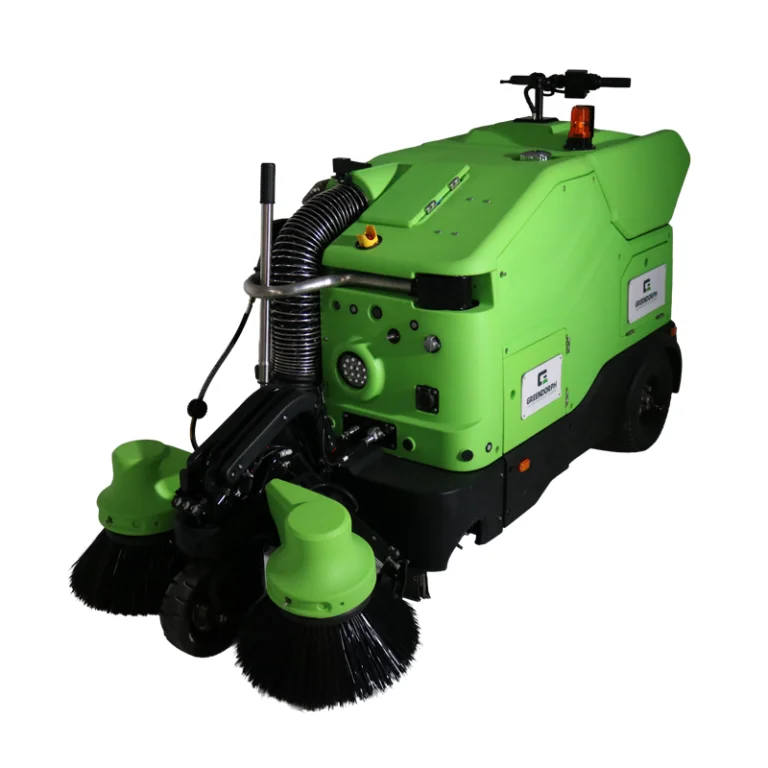
Facilities management faces a constant pressure to balance labor availability with the demand for immaculate floor surfaces. As we examine the current landscape of commercial maintenance, the shift toward autonomous

Evaluating Industrial Maintenance: Automated Robotics vs. Manual Platforms
When we oversee large-scale logistics operations, the cleanliness of the floor directly influences both site safety and operational efficiency. Many facility managers inquire whether autonomous systems can effectively replace traditional

Extending Filtration Efficiency for Industrial Floor Care
Dust management remains a critical operational priority for any large-scale logistics facility. When we observe high-traffic areas, we realize that equipment performance relies heavily on how well the air filtration

Strategies for Maintaining Cleanliness in Busy Distribution Facilities
Logistics hubs operate on precise timelines, where any obstruction on the floor creates a bottleneck for inventory movement. When we manage the maintenance of these intense environments, the goal is

Strategies for Extending Battery Longevity in Automated Floor Maintenance
The operational rhythm of a busy facility depends on the availability of its automated fleet. When we rely on a warehouse sweeper for daily sanitation, the health of the power

Essential Safety Standards for Autonomous Facility Maintenance
The introduction of automated equipment into busy logistics centers changes how teams manage floor hygiene. When we integrate an autonomous warehouse sweeper into high-traffic zones, the primary objective is to
Managing Sensor and Software Reliability in Industrial Sweepers
Maintaining clear pathways across massive logistics centers relies on the consistent performance of automated sanitation hardware. When a mechanical failure interrupts a scheduled route, the impact ripples through the entire

Effective Storage Strategies for Compact Sweeping Equipment
Managing a fleet of compact maintenance vehicles involves more than just daily operations; the environment where these machines rest when not in use is critical to their longevity. At Greendorph,