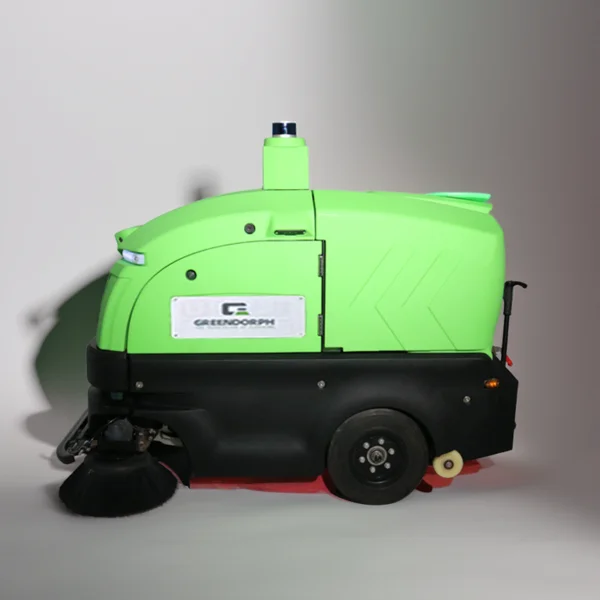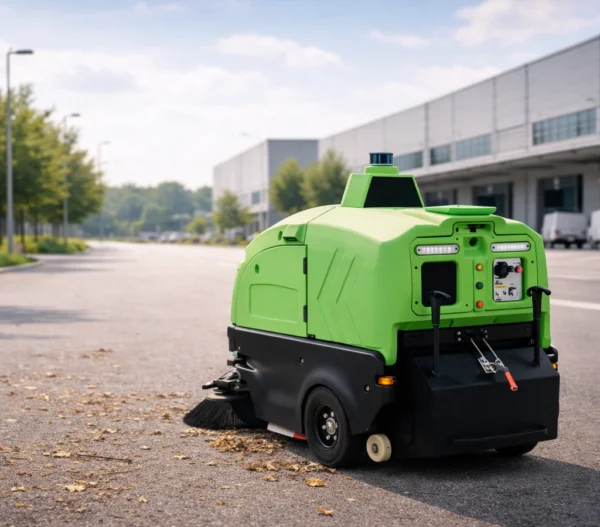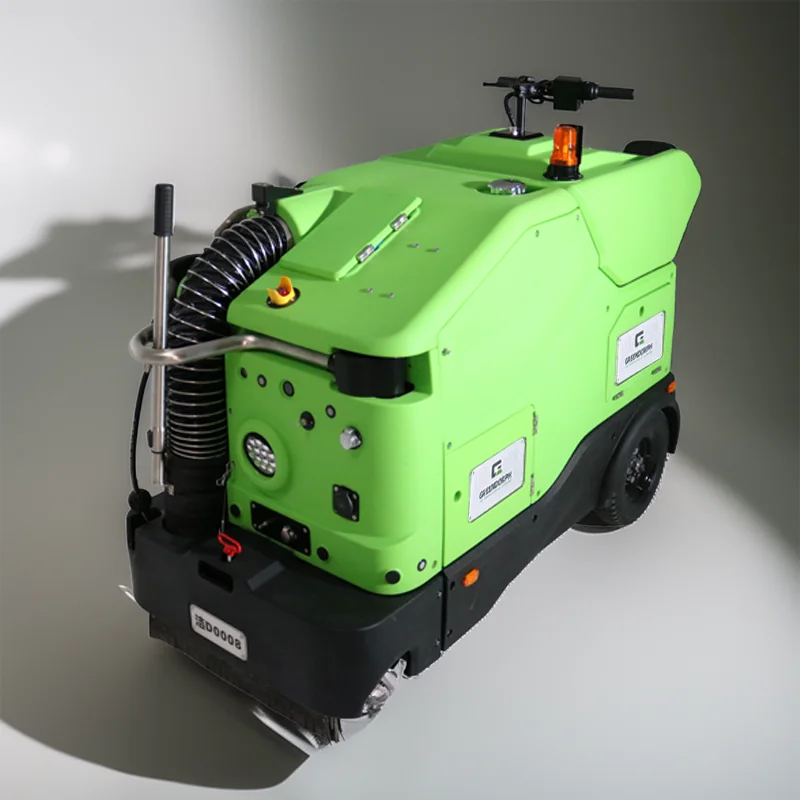
Operators frequently assume that a ride on sweeper only requires turning the key and steering, yet the reality is far more complex. Heavy‑duty sweeping equipment represents a significant investment, and its long‑term performance depends heavily on how it is operated, maintained, and matched to the environment. We have worked alongside facility managers across industrial parks, large campuses, and commercial complexes, and we consistently observe the same avoidable mistakes that shorten machine life and inflate operating costs. Recognizing these pitfalls early allows teams to protect their equipment and achieve consistently cleaner surfaces without unexpected downtime.
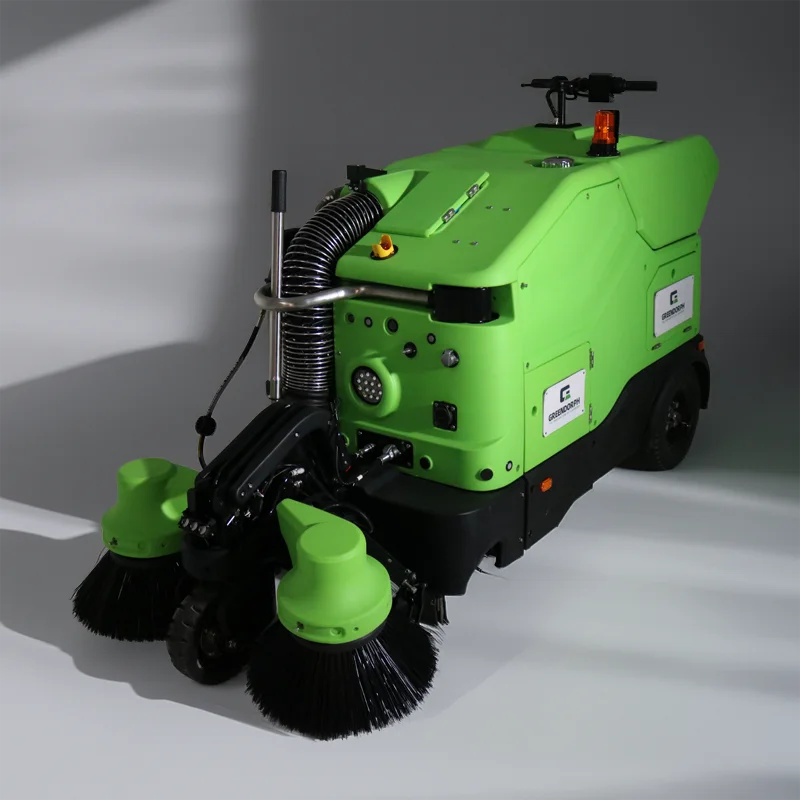
Mismatching Machine Specifications to Surface Conditions
One of the most frequent errors we encounter is selecting a ride on sweeper machine without fully assessing the debris type, slope gradients, and surface texture of the area to be cleaned. A machine configured for smooth warehouse floors may struggle on uneven asphalt or areas with coarse gravel, leading to premature wear on the main broom and side brushes. Operators sometimes push the equipment beyond its design limits, causing the filtration system to clog faster and reducing suction efficiency. To avoid this, we recommend conducting a thorough site survey before deployment. Verify that the ride on sweeper you deploy has the appropriate brush material, filter rating, and hopper capacity for your specific environment. Matching the machine’s specifications to the actual workload prevents component strain and ensures that each pass delivers the intended cleaning quality.
Inconsistent Pre‑Operation Inspection Routines
A second common pitfall involves skipping or rushing through daily inspection checklists. Many teams assume that a ride on sweeper machine that started without issue in the morning will remain reliable throughout the shift. However, small problems—such as a partially clogged filter, low hydraulic fluid, or a worn skirt seal—rapidly escalate into costly repairs when left unaddressed. We have seen facilities extend brush life by nearly 40 percent simply by implementing a structured five‑minute inspection before each use. The inspection should include checking the main broom and side brush for tangled debris, confirming that the dust control system is sealed, and testing all safety sensors. When a ride on sweeper is part of a fleet, digitizing these checks through a cloud platform adds an extra layer of accountability, allowing supervisors to track compliance and schedule maintenance proactively.
Neglecting Operator Training on Adaptive Features
Modern ride on sweeper machines often come equipped with advanced controls—adjustable brush pressure, variable suction settings, and even telemetry that reports real‑time performance. Yet we frequently encounter teams who operate these machines in a single “default” mode regardless of conditions. This not only wastes energy but also accelerates wear on consumables. For example, running high brush pressure on a clean, smooth surface will grind down bristles unnecessarily, while using excessive suction in dusty environments can overwhelm the filter prematurely. We advise developing a structured training program that covers how to adapt machine settings to different zones within a facility. Operators should understand how to interpret on‑board diagnostics and when to switch between sweeping modes. When a ride on sweeper is connected to a centralized management system, supervisors can also remotely review usage patterns and offer targeted coaching, turning each operator into a more effective asset manager.
Operational success with large‑scale sweeping equipment hinges on more than routine maintenance—it requires deliberate attention to machine selection, pre‑shift diligence, and adaptive operator habits. By addressing these three pitfalls, facility teams can extend the service life of their ride on sweeper assets, reduce unplanned repairs, and maintain higher cleanliness standards with less effort. We at Greendorph encourage organizations to view each ride on sweeper machine not simply as a tool, but as a system that performs best when supported by informed operation and proactive care.