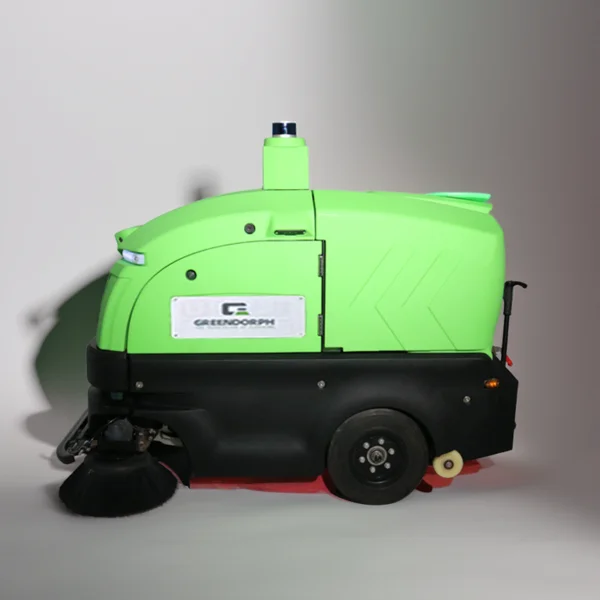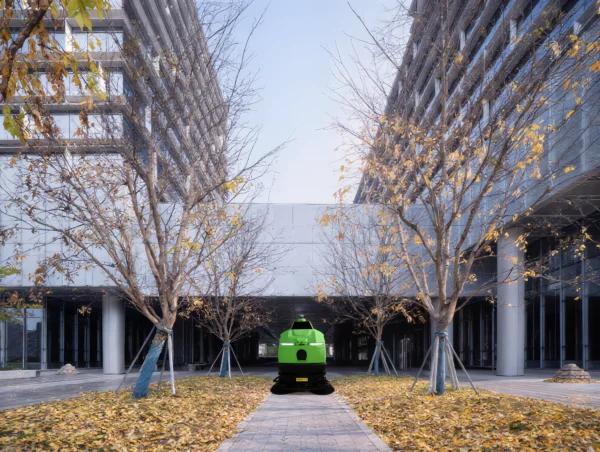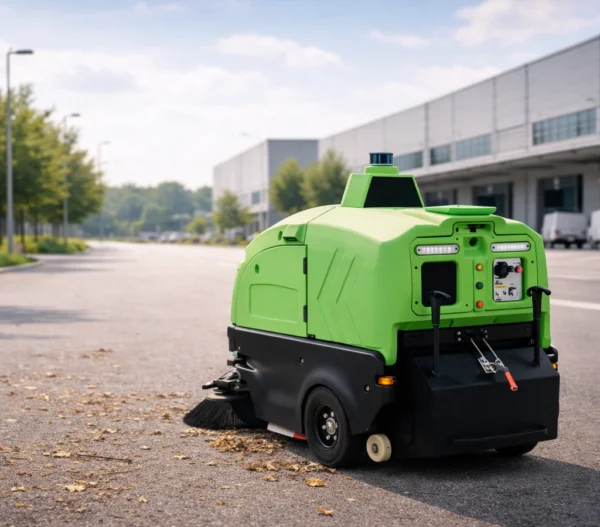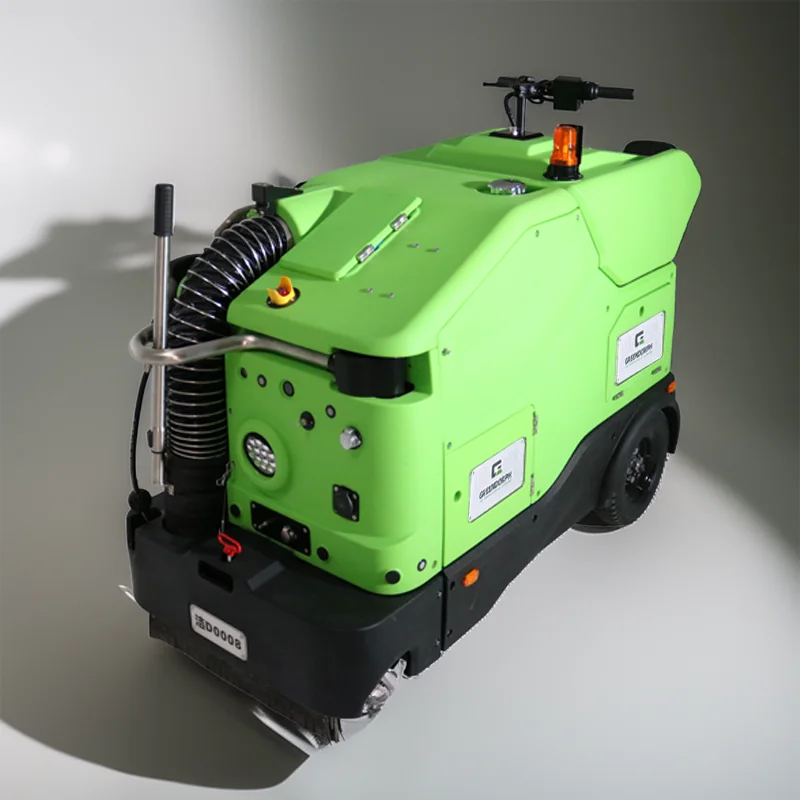
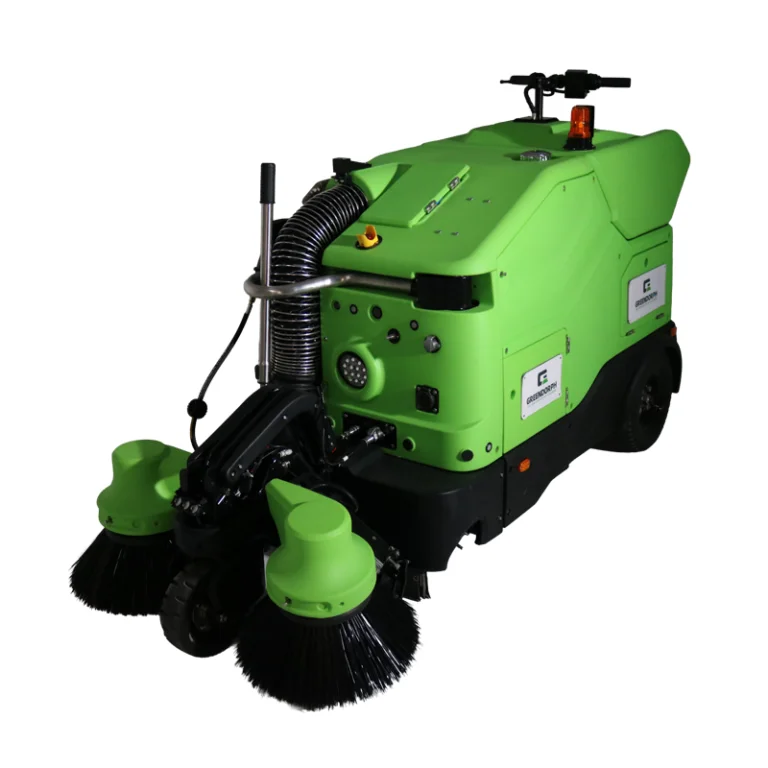
Managing a fleet of compact maintenance vehicles involves more than just daily operations; the environment where these machines rest when not in use is critical to their longevity. At Greendorph, we work with municipal agencies and private contractors who need to maximize the lifespan of their equipment through smarter housing practices. Ensuring that a street sweeper remains protected from harsh environmental conditions while remaining accessible for rapid deployment is a logistical puzzle that demands careful attention to space and infrastructure.
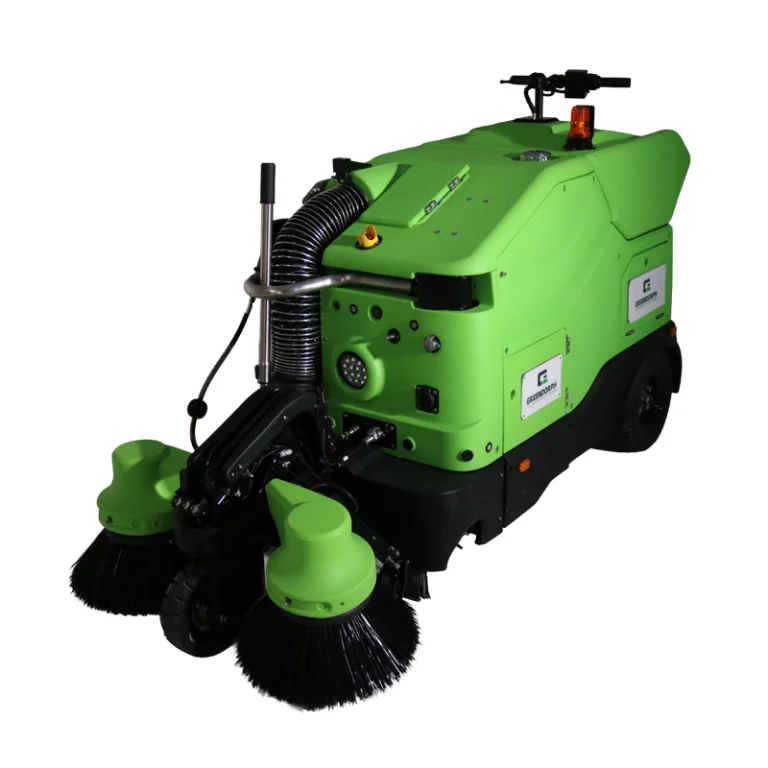
Optimizing Internal Facility Layouts
The physical footprint of your maintenance depot often dictates how efficiently you can organize your assets. When we analyze storage plans, we prioritize creating dedicated zones that allow for easy movement of each small street sweeper. By implementing a clear traffic flow within your warehouse, you minimize the risk of accidental collisions during the parking process. This organized approach at Greendorph helps teams save valuable minutes during shift changes, as operators do not have to maneuver around disorganized obstacles to reach their designated charging or fueling stations.
Managing Environmental Controls for Equipment Longevity
Exposure to extreme temperatures and humidity can accelerate the degradation of sensitive electrical components and hydraulic systems. To mitigate these risks, storing every street sweeper inside a climate-controlled environment is a necessity rather than an optional upgrade. We find that facilities providing consistent, dry, and moderate conditions significantly reduce the frequency of unplanned repairs. Protecting the internal mechanics of a small street sweeper from moisture buildup is essential for ensuring that your investment remains operational and reliable throughout the varying seasons.
Streamlining Routine Maintenance Access
A well-planned storage area should function as a productive service bay. We encourage clients to design their storage floorplans so that technicians can perform routine inspections without needing to move every street sweeper out of the building. By leaving enough clearance between machines, your crew gains the space necessary to check brushes, filters, and fluid levels daily. Integrating these inspections into the parking routine ensures that every small street sweeper is vetted for performance before it hits the pavement, keeping your entire operation running without unnecessary downtime or sudden mechanical failures in the field.
Greendorph remains dedicated to helping organizations find harmony between fleet size and storage capacity. By focusing on climate control, facility flow, and maintenance accessibility, you create a robust ecosystem for your equipment. Proper storage is the silent partner to every successful cleaning cycle, ensuring that your fleet is ready for the rigors of the road whenever the job calls.