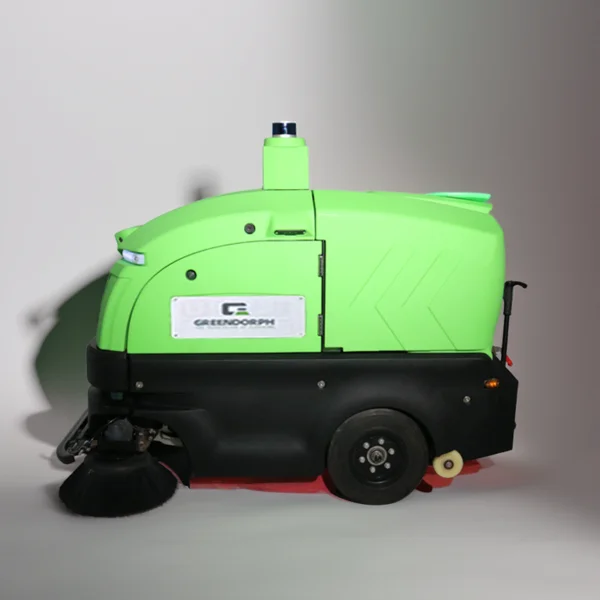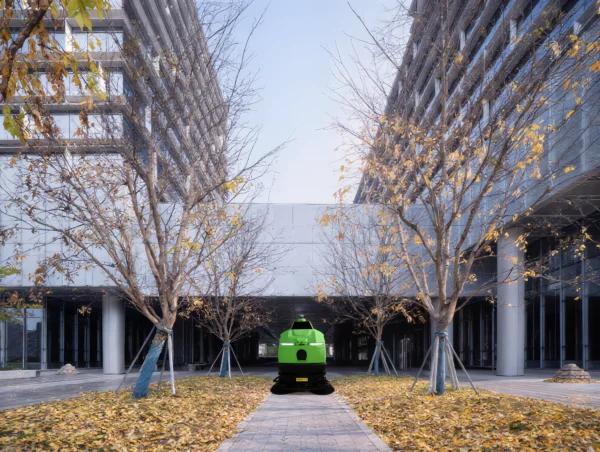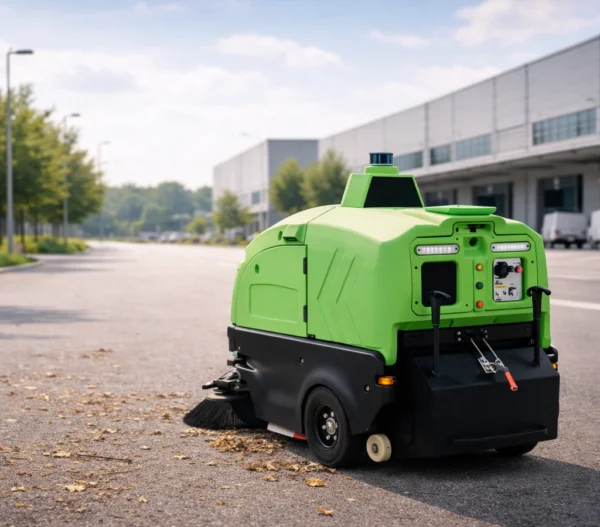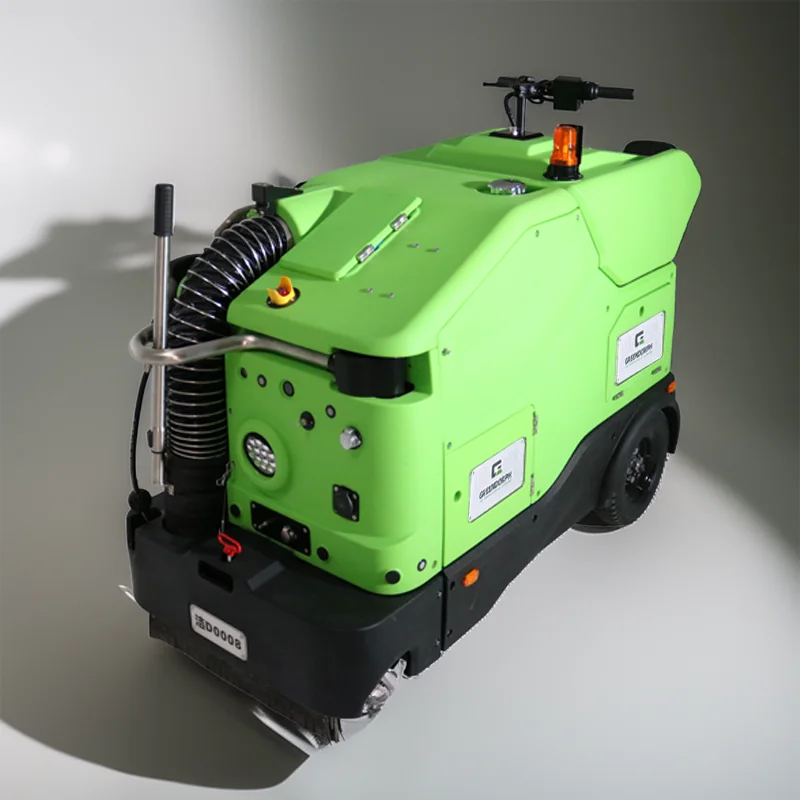
Property managers and housing developers often approach automation with one central question: does the investment deliver measurable returns? In residential settings—where common areas, corridors, and lobbies endure constant foot traffic—cleaning represents both a recurring operational expense and a visible indicator of community quality. We have analyzed deployment scenarios across multifamily housing complexes, and the financial case for integrating an autonomous home floor scrubber extends far beyond simple labor substitution. When evaluated through a structured return‑on‑investment lens, the shift from manual methods to autonomous equipment consistently reveals savings that compound over time.
Labor Efficiency and Workforce Reallocation
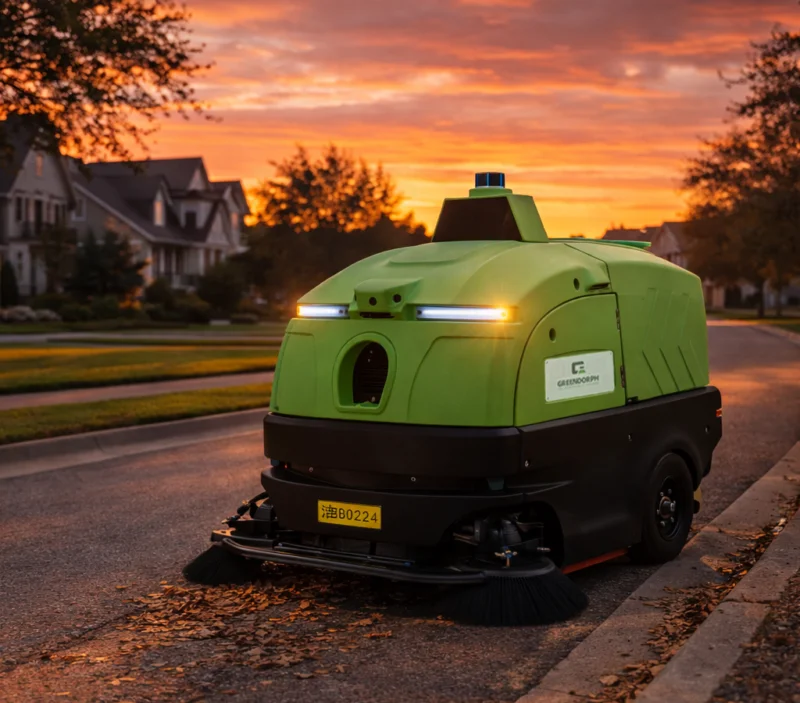
Manual floor scrubbing in housing complexes typically consumes multiple staff hours daily, with crews pushing heavy equipment through hallways while managing cords, water refills, and chemical mixing. Deploying a residential floor scrubber machine with autonomous navigation transforms this workflow. We have observed that a single unit can cover the same square footage in roughly half the time required by traditional walk‑behind scrubbers, largely because it operates continuously without operator fatigue or shift breaks. More importantly, the autonomous home floor scrubber allows existing janitorial staff to redirect their attention to higher‑value tasks—detail cleaning, resident requests, or preventive maintenance—without increasing headcount. The ROI calculation here is straightforward: labor hours per square foot decline, yet overall service quality rises because teams focus on areas where human judgment adds the greatest value.
Extended Asset Life Through Consistent, Gentle Operation
A frequently overlooked component of ROI is the lifespan of both the cleaning equipment and the flooring itself. Traditional scrubbers, when operated manually, often suffer from inconsistent brush pressure, missed maintenance intervals, and accidental impacts that cause premature wear. In contrast, a residential floor scrubber machine equipped with programmable pressure sensors and collision avoidance applies consistent, manufacturer‑specified force to every surface. We have tracked maintenance records from early adopters and found that autonomous units typically require fewer major repairs over a five‑year period compared to manually operated equivalents. Additionally, the predictable cleaning patterns reduce abrasive damage to luxury vinyl tile, polished concrete, and other common flooring materials found in residential buildings. When we factor in deferred capital expenditures on floor replacement and extended equipment service life, the autonomous home floor scrubber contributes to a significantly lower total cost of ownership than conventional alternatives.
Resident Satisfaction and Occupancy Retention
In housing management, ROI must also account for intangible factors that directly affect revenue. Clean, well‑maintained common areas are among the top criteria residents cite when renewing leases. By deploying a residential floor scrubber machine that performs daily overnight cleaning cycles, properties maintain consistently high standards without disrupting resident movement. We have seen that facilities using autonomous equipment report fewer service complaints related to hallway cleanliness and faster resolution of spill incidents, as the machine can be dispatched remotely to targeted zones. Moreover, the presence of intelligent cleaning technology signals to prospective residents that the property invests in modern, efficient operations—a differentiating factor in competitive housing markets. When we translate improved retention rates and reduced vacancy turnover into dollar terms, the autonomous home floor scrubber often delivers a payback period that aligns with or exceeds that of other capital improvements.
Evaluating the ROI of autonomous cleaning technology requires looking beyond the initial purchase price to consider labor efficiency, asset longevity, and resident satisfaction. For housing operators, the residential floor scrubber machine represents not just a tool, but a strategic investment in operational predictability and property value. We at Greendorph encourage decision‑makers to model these cumulative benefits across a multi‑year horizon—the financial and operational case for adopting an autonomous home floor scrubber becomes clear when all three dimensions are weighed together.