Choosing a cleaning partner for parking areas is not only about equipment price or cleaning speed. For B2B buyers, technical support affects deployment, daily operation, maintenance, and service continuity. A capable parking lot sweeper may still create problems if training, remote diagnosis, mapping support, or spare-part service is weak.
We believe technical support should be reviewed as part of the complete operating system. Buyers need to know what happens before installation, during commissioning, and during routine service.
Why Technical Support Matters Before Deployment
Before a project starts, buyers should check whether the supplier can study the actual site. Parking lots vary in size, lane width, curb layout, pedestrian flow, and traffic patterns. These details influence route planning and equipment selection.
A reliable support team should ask practical questions before recommending a machine. It should understand cleaning frequency, debris type, water access, charging conditions, and restricted zones. This reduces the risk of a mismatch between equipment and the real operating environment.
When comparing global cleaning providers, we also look at how they prepare deployment plans. Useful support should cover operating boundaries, charging arrangements, task settings, and safety rules. These details affect daily use more than general product descriptions.
Deployment Support Should Be Practical
Technical support becomes easier to judge during commissioning. Buyers should check whether the supplier provides mapping, route setup, obstacle testing, and task configuration. These steps should be completed in the real operating environment rather than based only on office planning.
Training is another important part of deployment. Staff need to understand task start-up, emergency handling, charging, basic inspection, and cleaning procedures. For autonomous equipment, they should also know how to respond when the machine pauses, loses positioning, or reports an abnormal condition.
At Greendorph, we view deployment as a process rather than a simple handover. Our support helps operators understand how the system behaves outdoors. This makes later maintenance easier because the customer understands the operating logic.
Remote Diagnosis and Recovery Capabilities
Outdoor cleaning equipment may encounter blocked routes, temporary obstacles, positioning interruptions, or changing traffic conditions. Technical support should include remote diagnosis tools and a clear escalation process. Buyers should ask how faults are reported and who can access the system.
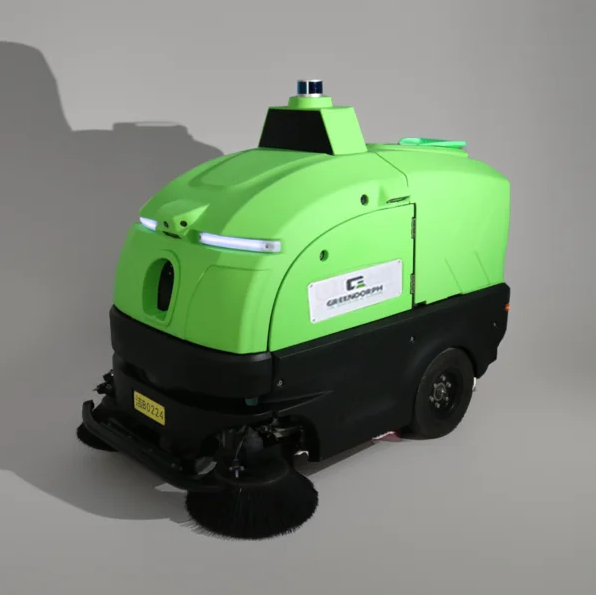
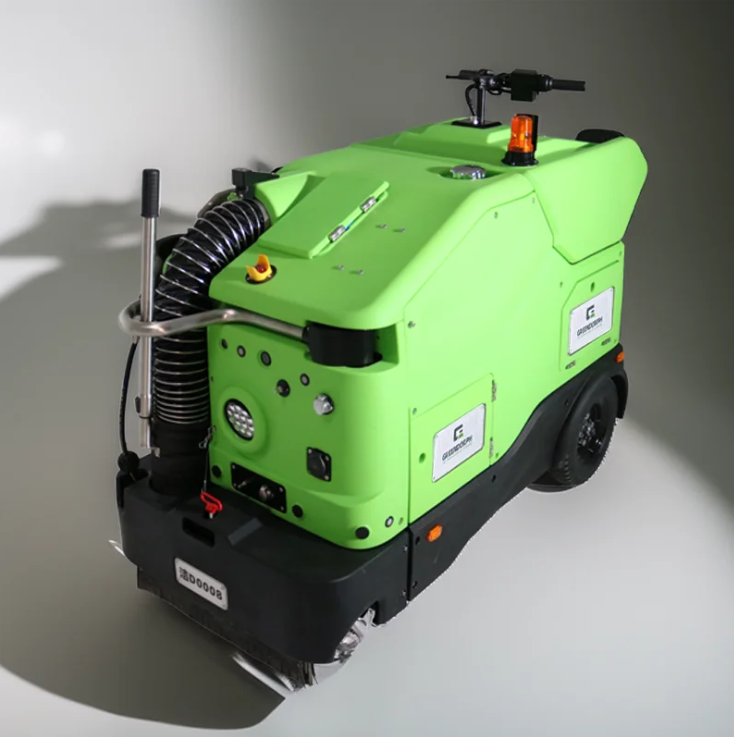
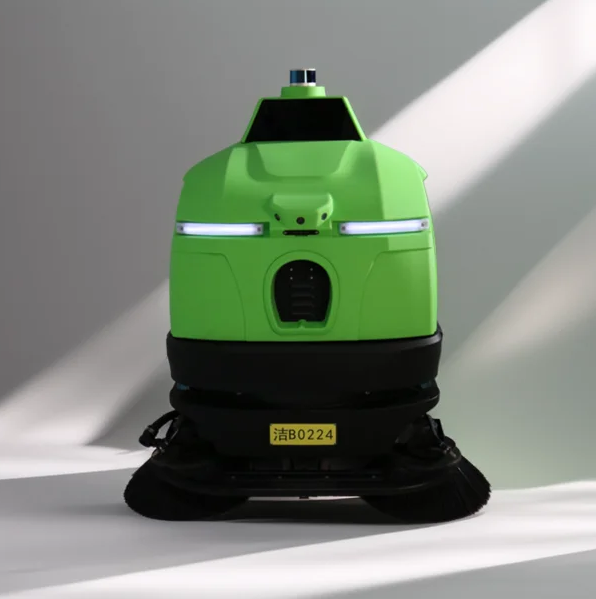
For YJ130, positioning loss triggers an automatic task pause and a recovery attempt. If positioning cannot be restored, the system sends an abnormal alert to the platform, allowing remote maintenance personnel to assist with recovery.
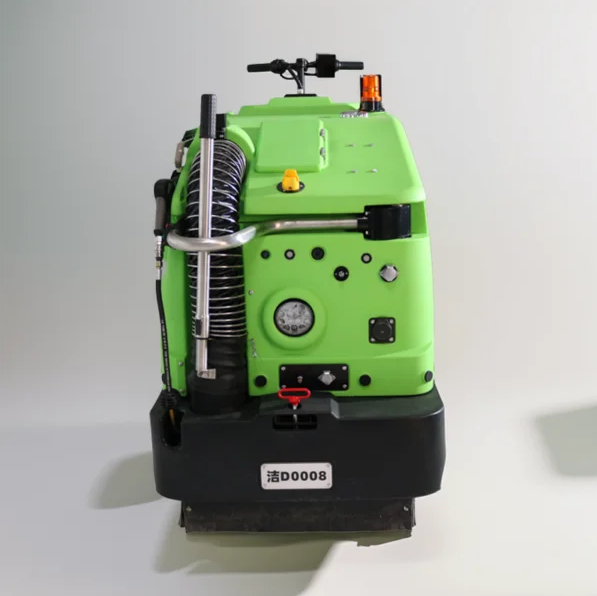
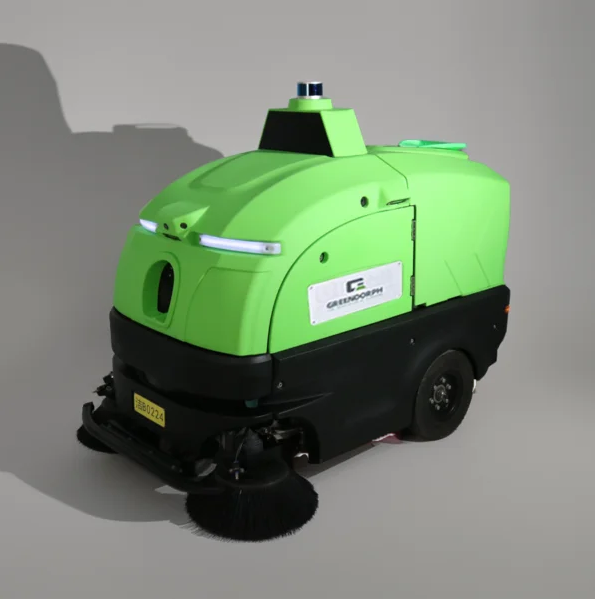
The Auto Sweeper YJ130 is a fully autonomous outdoor sweeper with a primary cleaning system supported by suction, airflow-assist, and misting spray functions. It operates continuously for 6–8 hours and is designed for large outdoor areas such as parks, industrial campuses, sidewalks, and schools.
Support for Navigation and Site Changes
Parking environments are rarely static. New barriers, parked vehicles, temporary construction, seasonal traffic, or changes in lane use may affect cleaning routes. A support team should be able to adjust maps, task areas, and operating parameters when the site changes.
For autonomous machines, mapping support is especially important. Buyers should ask whether the supplier can provide remote mapping, on-site mapping, route updates, and task reconfiguration. These services make the system easier to adapt later.
A well-supported parking lot sweeper should not depend on a fixed setup forever. We prefer systems that can be adjusted as conditions evolve. This gives facility managers more control over cleaning schedules and route changes.
Maintenance Support and Spare-Part Planning
Technical support also includes preventive maintenance. Buyers should ask for clear inspection intervals, cleaning routines, wear-part guidance, and fault-handling procedures. Simple documentation can help site teams complete routine checks independently.
Spare-part availability also matters. Global projects may involve long transport distances, so suppliers should explain which components require regular replacement and how parts are supplied. Buyers should confirm response channels for technical questions, parts requests, and service coordination.
At Greendorph, our YJ130 is positioned for large-scale outdoor sanitation. It delivers over 95% cleaning efficiency and combines autonomous operation with several cleaning functions. We connect this capability with remote support and operating guidance so B2B users can manage deployment and routine service more clearly.
What Buyers Should Compare Across Suppliers
When reviewing parking lot cleaning companies, buyers should compare support systems with the same care used for machine specifications. Useful questions include who handles commissioning, how remote support works, what training is included, how mapping changes are managed, and how spare parts are supplied.
Service response should also be defined clearly. Buyers should know whether support comes through a local team, distributor, remote platform, or central technical group. The structure matters less than whether responsibilities are clear and communication is practical.
Our participation in Interclean Shanghai 2026, scheduled for October 28–30 at the Shanghai New International Expo Centre, gives parking facility operators a chance to raise these questions in person. We welcome discussions about specific site conditions, such as frequently blocked lanes or changing parking layouts. Visitors can also ask how mapping adjustments, fault escalation, and ongoing technical assistance would be handled after deployment.
We also recommend checking documentation quality. Operating manuals, maintenance guides, fault codes, and training materials should be easy for site teams to use. Clear documents reduce repeated explanations and make internal training more efficient.
A Support System That Matches Long-Term Operation
Technical support should be evaluated across the full operating cycle, from site study and deployment to maintenance and later adjustments. Equipment performance matters, but service quality influences how smoothly that equipment fits into daily facility management.
For B2B buyers, the key question is whether a supplier can support mapping, training, troubleshooting, updates, and maintenance as the site changes. We believe this broader review gives buyers a practical basis for long-term supplier selection.