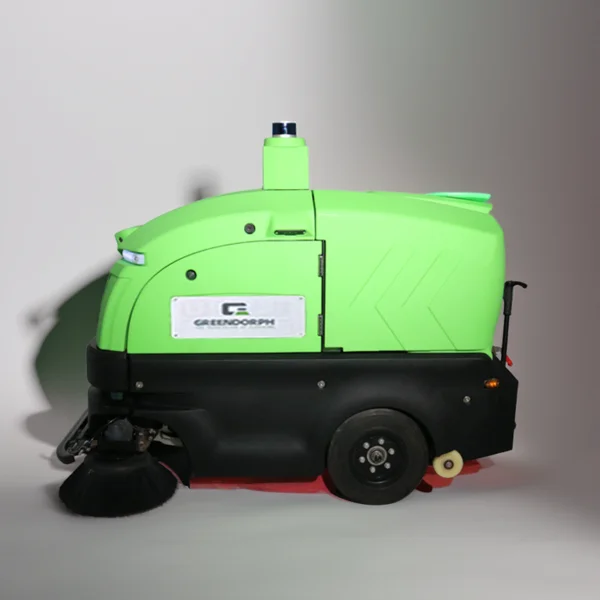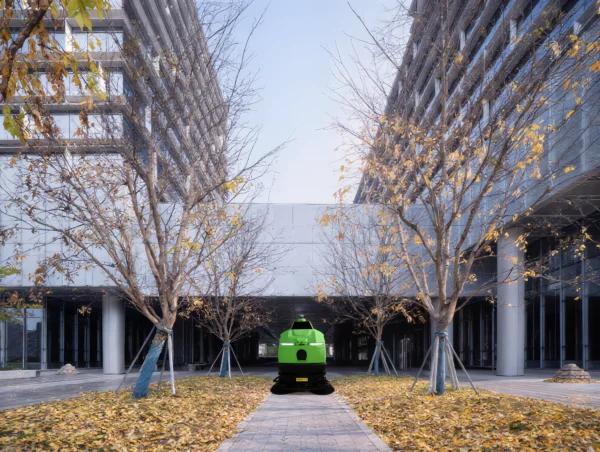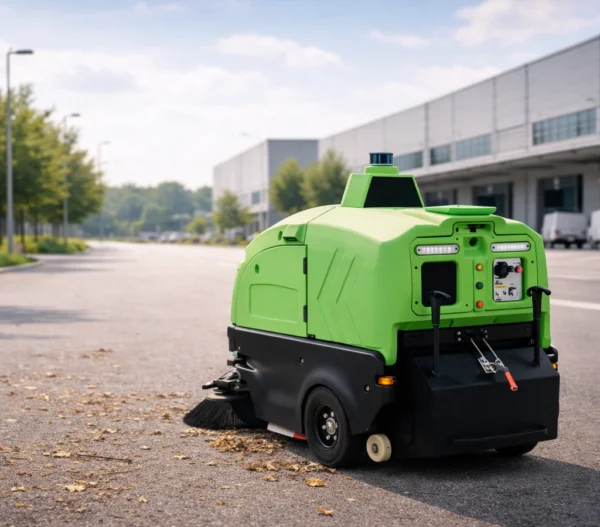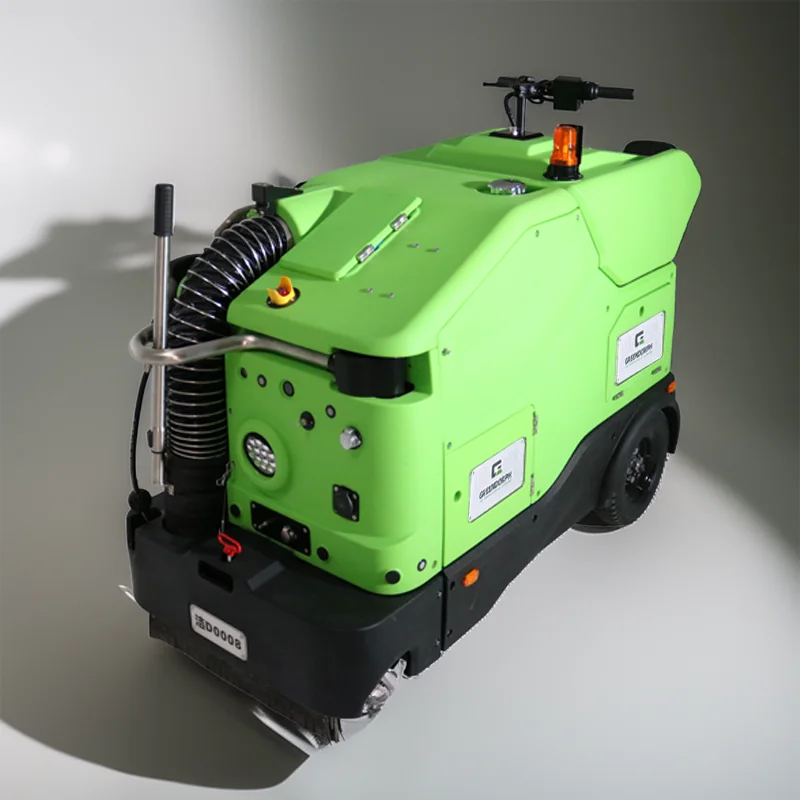
Compliance with safety and operational regulations is a fundamental responsibility for any organization utilizing industrial cleaning equipment. For facility managers, safety officers, and procurement teams, understanding the regulatory landscape surrounding ride on sweeper machines is essential—not only to avoid penalties but also to protect operators, pedestrians, and property. As a manufacturer with deployments across diverse industries and regions, we have seen how regulatory knowledge directly influences equipment selection, operator training programs, and overall site safety. Whether you operate a floor sweeper ride on unit in a warehouse, manufacturing plant, or large outdoor facility, the regulations that apply to these machines fall into three critical areas: equipment design standards, operator qualification requirements, and site-specific operational rules.
Equipment Design and Safety Standards
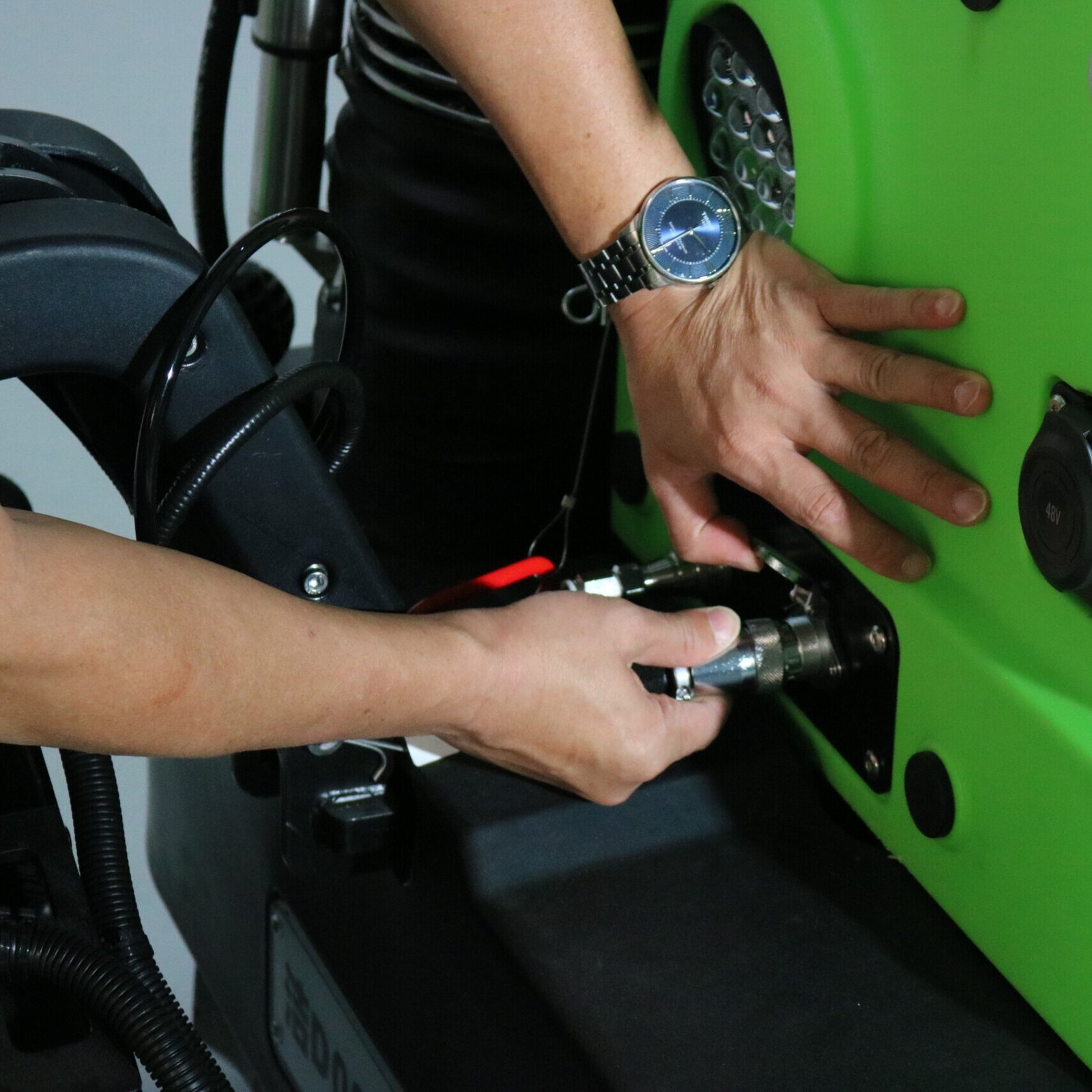
The foundation of regulatory compliance begins with the ride on sweeper itself. In most industrial nations, ride‑on sweepers are classified as industrial trucks or powered industrial vehicles, subject to standards such as ANSI/ITSDF B56.6 in the United States or equivalent directives in other regions. These standards mandate specific safety features, including overhead guards for operator protection, stability requirements to prevent tip‑overs, braking performance criteria, and clearly visible warning devices. A compliant floor sweeper ride on must also carry a permanent label indicating its rated capacity, operating instructions, and any hazard warnings. For electric models, additional standards govern battery compartment ventilation and electrical system isolation to prevent spark hazards in potentially flammable environments. We integrate these design requirements from the earliest engineering stages, recognizing that a ride on sweeper built to recognized standards simplifies compliance for our customers and reduces liability exposure during audits.
Operator Training and Certification Obligations
Even the most meticulously engineered floor sweeper ride on cannot ensure safety without properly trained operators. Regulatory bodies such as the Occupational Safety and Health Administration (OSHA) in the U.S. mandate that employers provide formal training for any employee operating powered industrial trucks, including ride‑on sweepers. Training must cover pre‑operation inspections, load handling, stability principles, refueling or charging procedures, and site‑specific hazards. Furthermore, operators must be evaluated and certified before being allowed to operate a ride on sweeper independently, with recertification required at regular intervals or following any incident. In our experience supporting facilities across industries, we have observed that organizations treating operator training as a continuous process—rather than a one‑time event—consistently achieve lower incident rates and fewer equipment damage claims. We support our customers by providing detailed operation manuals, training materials, and direct access to technical specialists who can clarify regulatory requirements related to our floor sweeper ride on models.
Site‑Specific Operational Regulations
Beyond equipment and operator requirements, facilities must adhere to site‑specific rules that govern where and how a ride on sweeper can be used. These rules often derive from local fire codes, pedestrian traffic patterns, and environmental regulations. For instance, sweepers used in food processing zones must meet strict sanitation standards, while units operating near loading docks may require additional warning lights and audible backup alarms. Indoor use of internal combustion floor sweeper ride on units may be restricted or prohibited due to carbon monoxide exposure limits, pushing facilities to adopt electric alternatives. Similarly, outdoor applications near stormwater drains may require the use of specific filtration or dust suppression features to comply with runoff regulations. We work closely with clients to assess their operational environments and recommend ride on sweeper configurations that align with both safety codes and environmental permits. Through our global project portfolio—spanning industrial complexes, campuses, and agricultural sites—we have developed practical insight into how regulations vary by application and how proactive compliance planning prevents operational disruptions.
Regulations governing ride on sweeper equipment exist to create a predictable, safe environment for operators, pedestrians, and facility assets. From equipment design standards and operator certification to site‑specific operational rules, each layer of compliance contributes to a culture of safety that ultimately improves productivity.
For organizations investing in floor sweeper ride on technology, treating regulatory requirements as an integral part of the procurement and training process yields measurable benefits: fewer incidents, lower insurance exposure, and smoother inspections. As a manufacturer committed to intelligent outdoor cleaning solutions, we at Greendorph ensure that our ride on sweeper platforms are built to meet or exceed applicable standards, and we provide the technical support necessary to help our customers maintain compliance throughout the equipment’s lifecycle. When safety and regulations are addressed from the start, a ride on sweeper becomes not just a cleaning tool, but a dependable contributor to overall operational excellence.