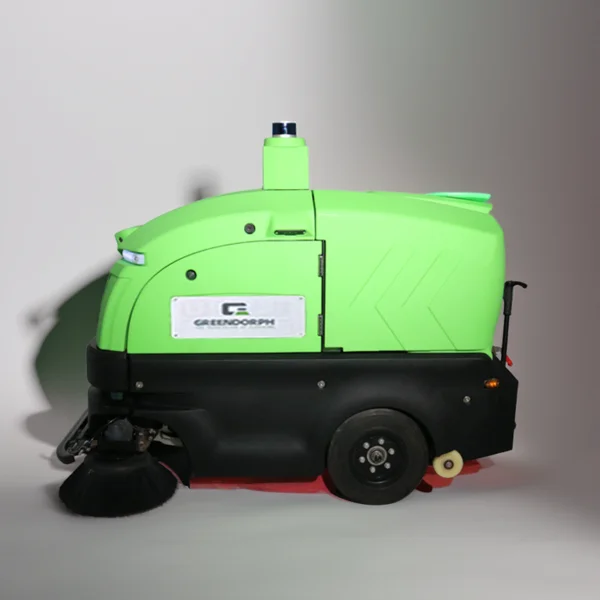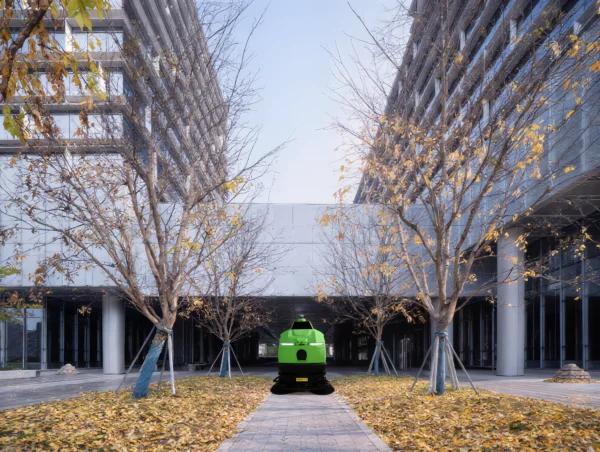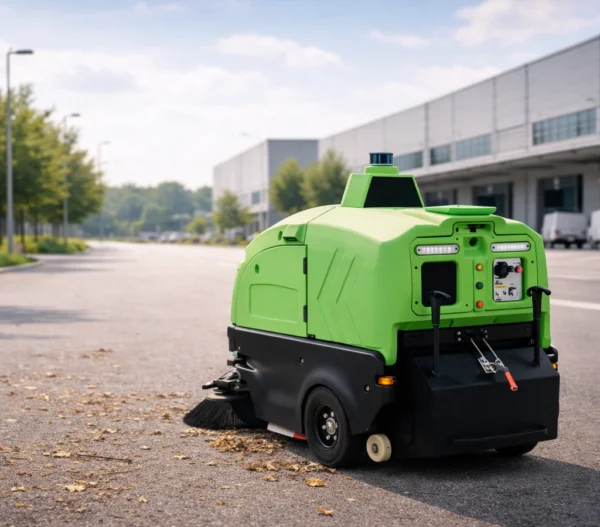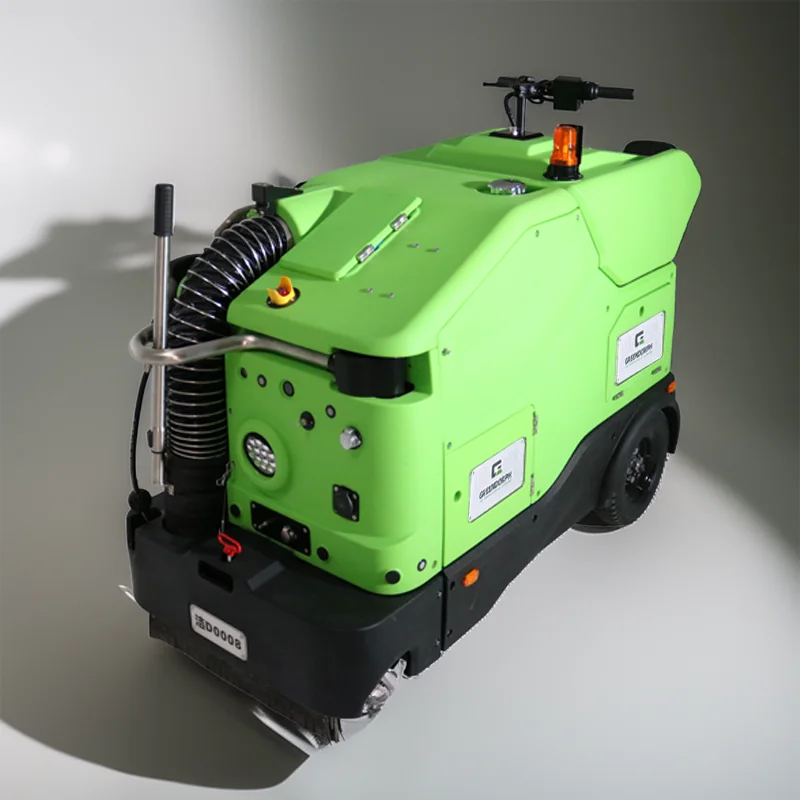
In modern facility management, adopting automation is no longer just about equipment upgrades, but about financial planning and long-term operational efficiency. At Greendorph, we design intelligent cleaning systems such as the robot floor cleaner and advanced autonomous platforms that help organizations shift from labor-intensive routines to structured, scalable cleaning operations. Understanding how to finance these assets is often the first step for businesses planning to improve hygiene standards while controlling costs.
Evaluating Total Cost Beyond Purchase Price
When considering an auto floor cleaning machine, the initial purchase price is only one part of the financial picture. Companies must also account for labor reduction, maintenance cycles, energy consumption, and expected service lifespan. Greendorph solutions are engineered for durability and continuous operation across industrial parks, warehouses, and commercial environments, which helps spread capital costs over longer usage periods. This allows decision makers to evaluate return on investment based on operational savings rather than upfront expenditure alone.
Financing Models That Support Scalable Adoption
Many organizations choose structured financing approaches to acquire cleaning automation equipment. Leasing models, phased payment plans, and service-based agreements can reduce upfront capital pressure while still enabling access to advanced cleaning technology. With Greendorph robot floor cleaner systems, businesses often align financing terms with deployment scale, ensuring that expansion of cleaning coverage matches budget planning. This approach supports gradual adoption without disrupting ongoing facility operations.
Operational Efficiency as a Financial Driver
The financial justification for automation becomes clearer when examining productivity gains. A single Greendorph robot floor cleaner system can operate continuously for extended periods, reducing dependency on manual cleaning shifts and minimizing downtime between cleaning cycles. In environments such as logistics hubs or large campuses, this operational consistency directly contributes to lower maintenance overhead and improved asset utilization rates.
Lifecycle Value and Maintenance Considerations
Another important aspect of financing is lifecycle cost management. A well-planned investment in an auto floor cleaning machine should include predictable maintenance schedules and component longevity. Greendorph designs its systems with modular maintenance structures, allowing key parts to be serviced or replaced without major operational disruption. This reduces unexpected repair expenses and improves financial predictability over time.
Conclusion
Financing a robotic cleaning solution is not simply a procurement decision but a strategic allocation of operational resources. At Greendorph, we support organizations in evaluating both the financial and functional impact of automation. By aligning investment strategies with long-term efficiency goals, businesses can adopt intelligent cleaning systems with greater confidence and clearer cost visibility.