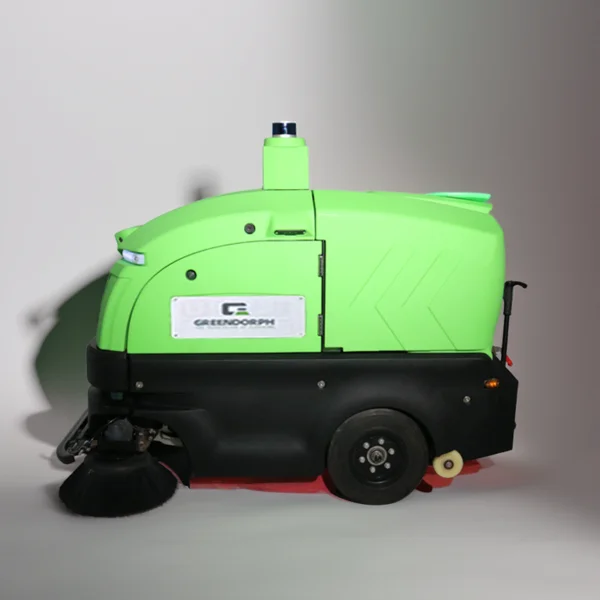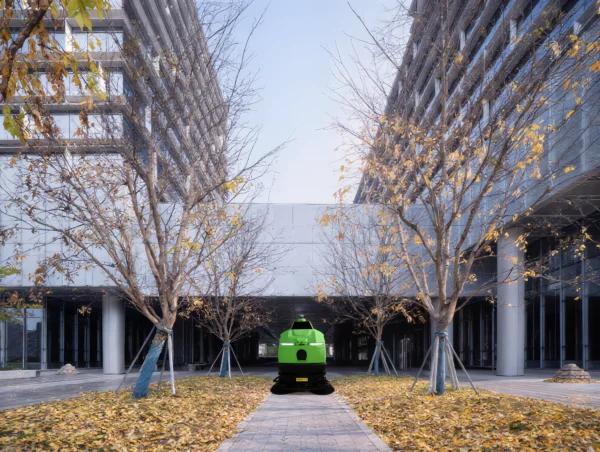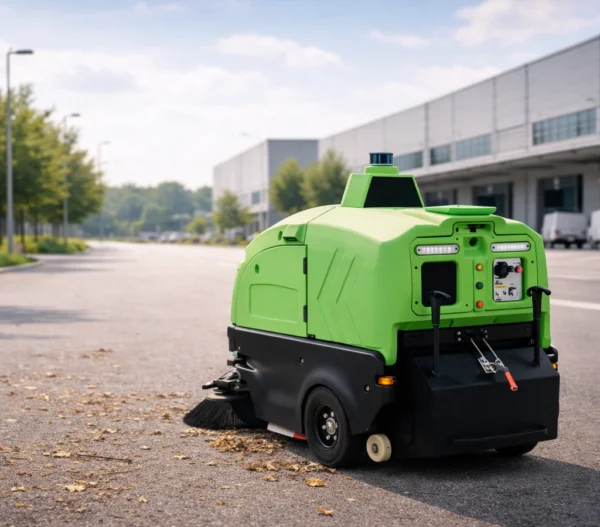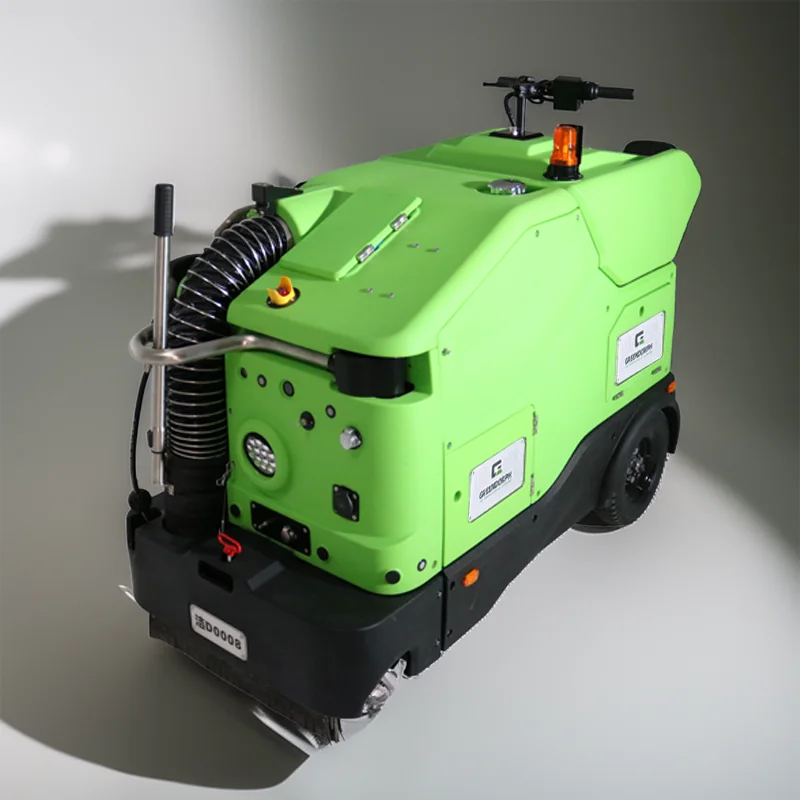
Carbon monoxide accumulation ranks among the most persistent environmental health concerns within enclosed parking structures. Unlike open outdoor lots, underground garages and multi‑level parking facilities trap vehicle exhaust, allowing CO concentrations to rise gradually throughout operating hours. Mechanical ventilation systems alone often prove insufficient, particularly during peak entry and exit periods when engine idling increases. We have examined this challenge across commercial parking complexes, residential high‑rise garages, and airport parking facilities, and the role of specialized cleaning equipment in mitigating CO exposure remains an underappreciated factor. Properly deployed garage sweepers contribute to safer air quality through mechanisms that extend beyond simple debris removal—they actively reduce the conditions that trap and concentrate harmful emissions.
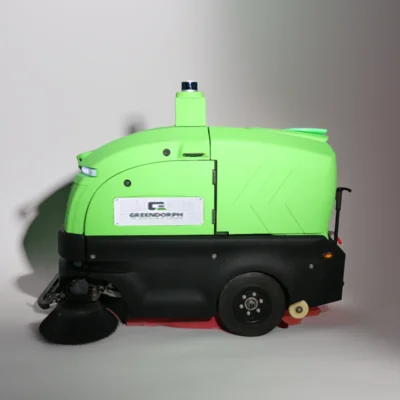
Removing Particulate Barriers That Inhibit Ventilation Efficiency
Ventilation systems in enclosed parking facilities rely on consistent airflow to dilute and exhaust carbon monoxide. However, accumulated fine dust, tire wear particles, and oil residues create a surface layer on floors, walls, and ventilation grilles that gradually impedes air movement. A parking lot sweeper equipped with high‑efficiency filtration removes these particulate accumulations before they can bind to structural surfaces. When floors remain free of embedded dust, the natural stack effect and mechanical ventilation can operate at designed parameters. We have observed that facilities adhering to daily garage sweeper schedules experience significantly lower pressure drops across ventilation filters compared to those relying on periodic manual cleaning. The parking lot sweeper also reduces the resuspension of settled particles—when vehicles drive over uncleaned surfaces, previously settled dust becomes airborne again, carrying adsorbed hydrocarbons and contributing to the overall contaminant load. By breaking this cycle, garage sweepers maintain the physical conditions necessary for effective CO dilution.
Minimizing Idle Time Through Efficient Traffic Flow
A secondary but equally significant mechanism involves the relationship between surface cleanliness and traffic circulation. Spilled fluids, loose gravel, and accumulated debris force drivers to navigate more cautiously, leading to extended idle times at entry points, tight corners, and exit ramps. Each minute of unnecessary idling adds measurable CO to the enclosed environment. A parking lot sweeper that maintains clean, well‑marked lanes allows vehicles to move fluidly, reducing the cumulative idle minutes across thousands of daily entries. We have worked with facilities where implementing a garage sweeper program before peak hours reduced average vehicle transit time by measurable increments—directly lowering the total CO emitted within the structure. Furthermore, clean surfaces improve the visibility of directional markings, preventing hesitation and wrong‑way movements that contribute to congestion. The parking lot sweeper thus functions as an indirect emission control tool, addressing the source rather than merely managing the after‑effects.
Enabling Data‑Driven Cleaning for Contaminant Hotspots
Modern garage sweepers equipped with telemetry and sensor arrays allow facility managers to identify zones where carbon monoxide concentration correlates with specific debris conditions. Areas near entrance ramps, for instance, often accumulate higher loads of fine particulates from vehicle braking, which can adsorb CO and other gases, slowing their dissipation. By deploying a parking lot sweeper to these hotspots with increased frequency, operators can prevent the buildup of contaminant‑trapping layers. We utilize cloud‑connected platforms that overlay cleaning activity logs with air quality sensor readings, enabling facility teams to validate the impact of garage sweeper routes on CO levels. This approach shifts cleaning from a fixed schedule to a responsive strategy—if air quality monitors show rising CO in a particular sector, the garage sweeper can be directed to that zone to address surface conditions that may be interfering with ventilation. The result is a more targeted, scientifically grounded method for maintaining safe air quality.
The contribution of garage sweepers to carbon monoxide reduction in enclosed spaces lies at the intersection of particulate management, traffic efficiency, and data‑informed operations. While ventilation systems remain the primary defense against CO accumulation, their effectiveness depends on maintaining clean, unobstructed surfaces and smooth vehicle flow. We at Greendorph encourage facility operators to view parking lot sweeper deployment not merely as a cosmetic or safety‑related task, but as an integral component of indoor air quality management. When scheduled strategically and supported by performance data, garage sweepers deliver measurable improvements in the environmental conditions that directly affect occupant health and regulatory compliance.