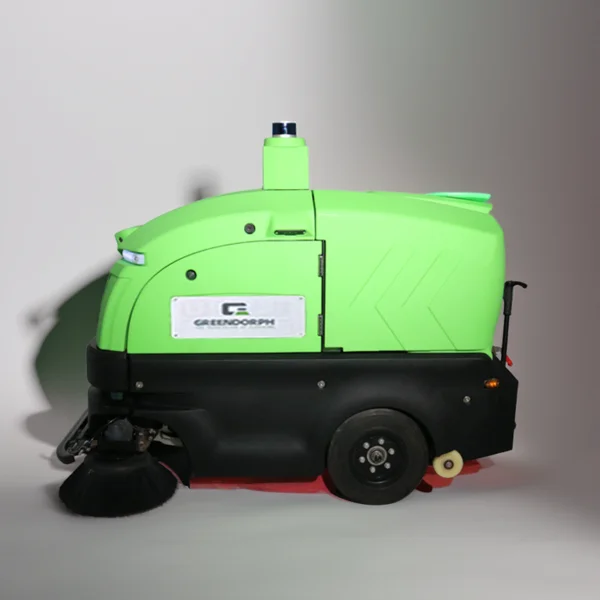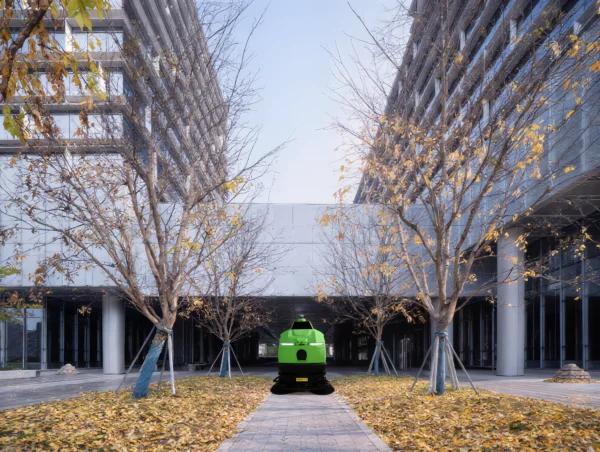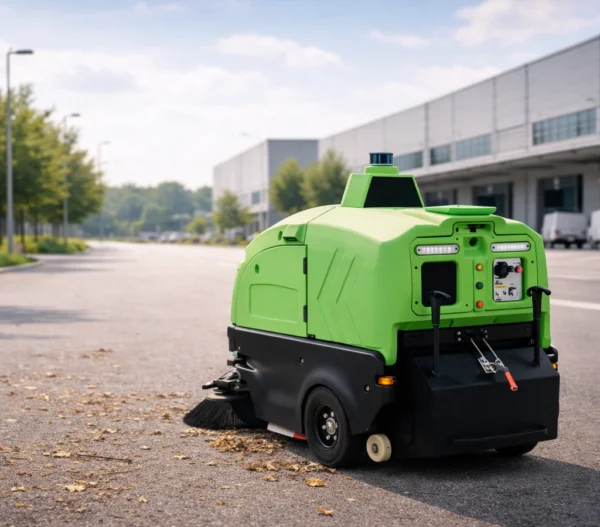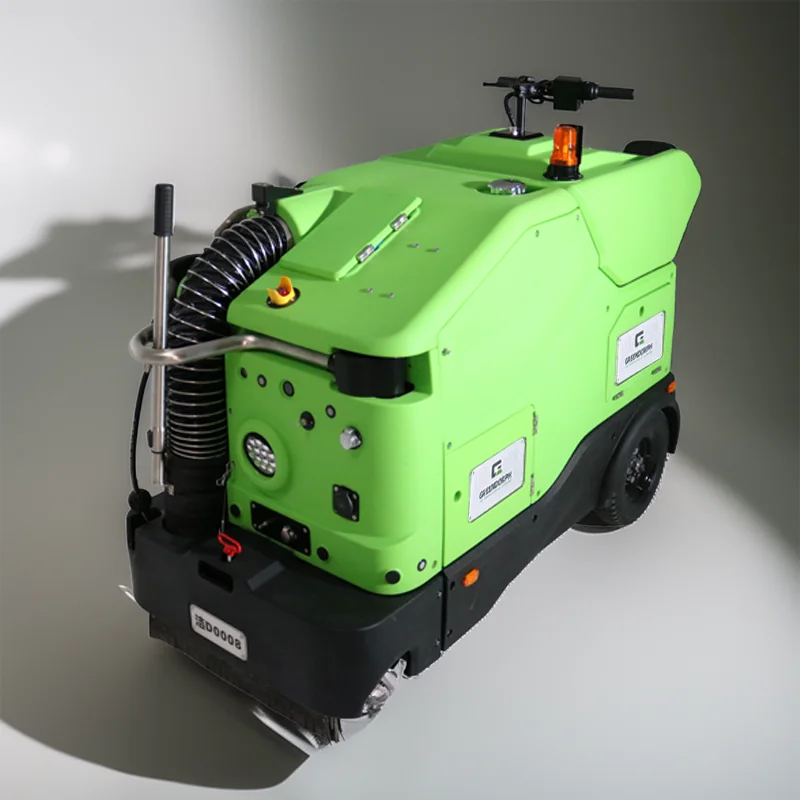
Selecting floor cleaning equipment for a large warehouse involves more than comparing tank capacities or scrub widths. The scale of these facilities—often spanning hundreds of thousands of square feet—demands machines that deliver repeatable results without constant operator intervention. When we guide facility managers through the selection process, we emphasize that an automatic floor scrubber intended for expansive spaces must excel in three interconnected areas: navigation reliability, total cost of ownership, and adaptability to varying floor conditions. Understanding these criteria helps distinguish between a basic scrubber and a true robot floor cleaner capable of integrating into high‑traffic operations.
Coverage Consistency and Navigation Reliability
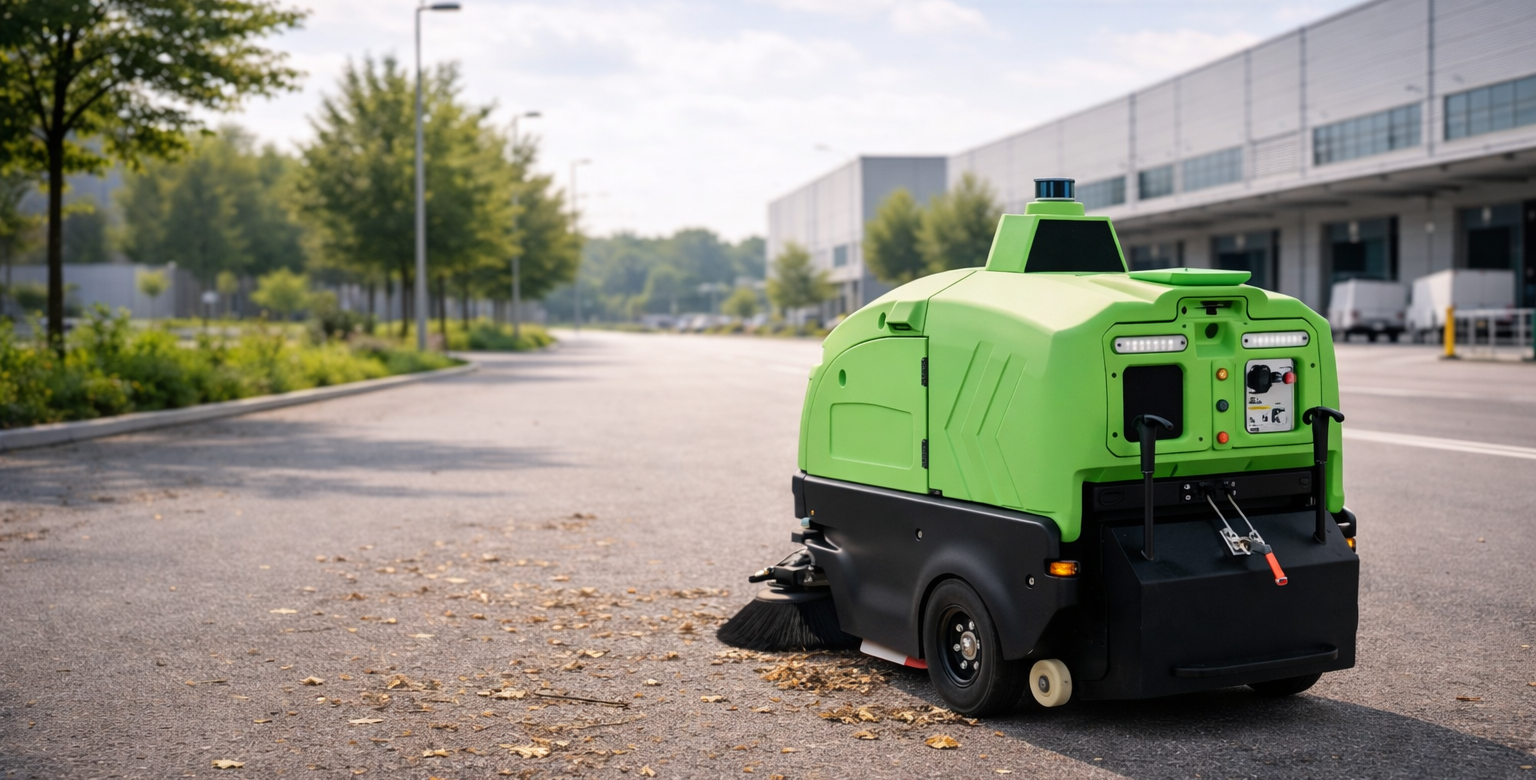
The primary advantage of a modern automatic floor scrubber lies in its ability to automate routine cleaning with efficient coverage. For large warehouses, manual or ride‑on scrubbers often leave gaps due to operator fatigue or inconsistent driving patterns. A robot floor cleaner eliminates this variability by using sensor‑based navigation to follow planned paths and adapt to dynamic obstacles such as forklifts and pallet stacks.
When evaluating options, we at Greendorph look for systems that combine laser ranging, ultrasonic sensors, and onboard mapping. These technologies allow the automatic floor scrubber to maintain dependable navigation across multiple shifts, returning to its charging station autonomously and resuming tasks without human prompting. Consistency from run to run becomes especially critical in facilities operating 24/7; a robot floor cleaner that reliably covers designated zones ensures that every aisle, dock, and staging area receives the same standard of cleanliness regardless of the time of day.
Total Cost of Ownership and Energy Efficiency
Large warehouses require equipment that can operate continuously without excessive maintenance or energy costs. An automatic floor scrubber with an electric drivetrain eliminates fuel expenses and indoor emissions, directly improving air quality. We consider the battery technology—lithium‑ion versus lead‑acid—as a key factor because it affects uptime and maintenance labor. Lithium‑ion systems enable opportunity charging during brief breaks, allowing the robot floor cleaner to maintain near‑continuous operation across a full shift.
Additionally, the data generated by a connected automatic floor scrubber provides visibility into energy consumption, water usage, and maintenance alerts. This transparency allows facility teams to move from reactive repairs to predictive planning, reducing downtime. When we analyze total cost of ownership, a robot floor cleaner with remote diagnostics and usage analytics typically shows lower long‑term costs compared to conventional scrubbers that require dedicated operators and frequent service interventions.
Adaptability to Floor Conditions and Debris Types
Warehouse floors present a mix of challenges: fine dust in rack aisles, oily residues near loading docks, and occasional larger debris from packaging. A versatile automatic floor scrubber must handle these variations without manual adjustments. We recommend machines that offer adjustable brush pressure, variable solution flow, and dual‑mode sweeping‑scrubbing functionality.
The science behind adaptability lies in closed‑loop control systems. A robot floor cleaner with real‑time feedback can detect changes in floor texture or debris load and automatically modify brush speed, water flow, and travel speed to maintain cleaning effectiveness. For instance, when the automatic floor scrubber enters a high‑debris zone, it can increase brush pressure and reduce forward speed to ensure thorough pickup; on clean sections, it conserves energy. This adaptive behavior ensures that every pass achieves consistent results, eliminating the need for repeat cleaning passes that waste labor and resources.
Choosing an automatic floor scrubber for large warehouses requires a focus on navigation reliability, lifecycle costs, and adaptive cleaning performance. A well‑selected robot floor cleaner automates routine cleaning with efficient coverage, dependable navigation, and consistent results from run to run, freeing facility personnel to concentrate on higher‑value activities while maintaining a safe, clean environment. By prioritizing these technical attributes over superficial specifications, warehouse operators gain a cleaning solution that integrates seamlessly into their material flow and delivers measurable operational benefits.