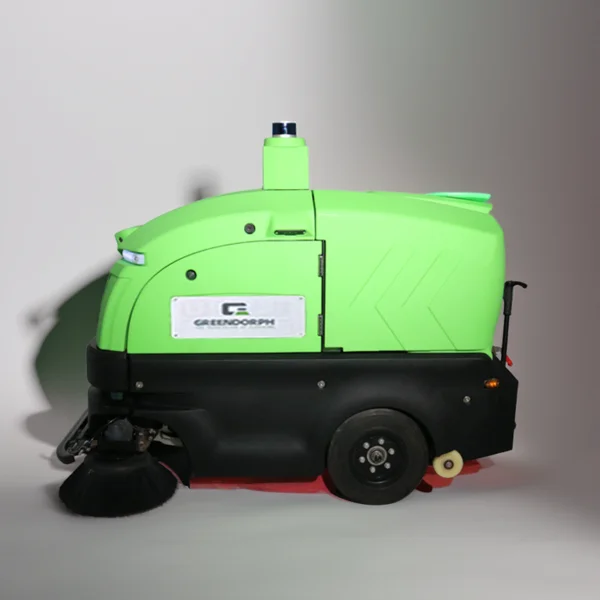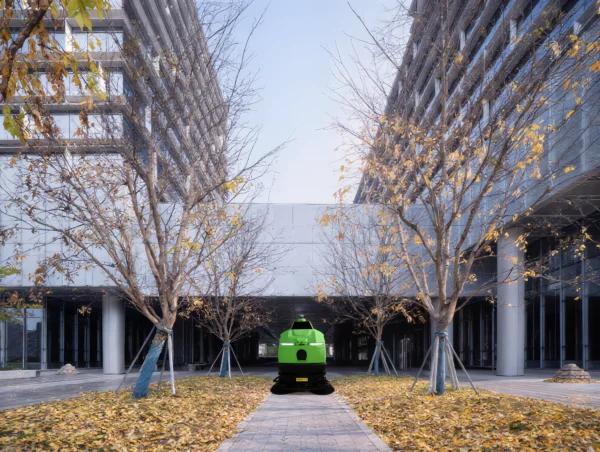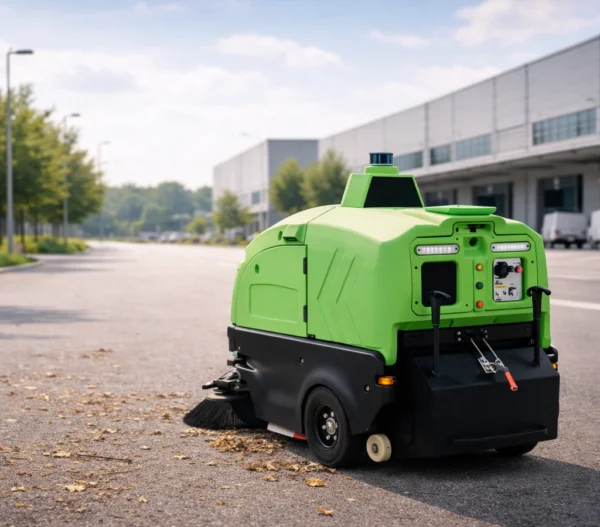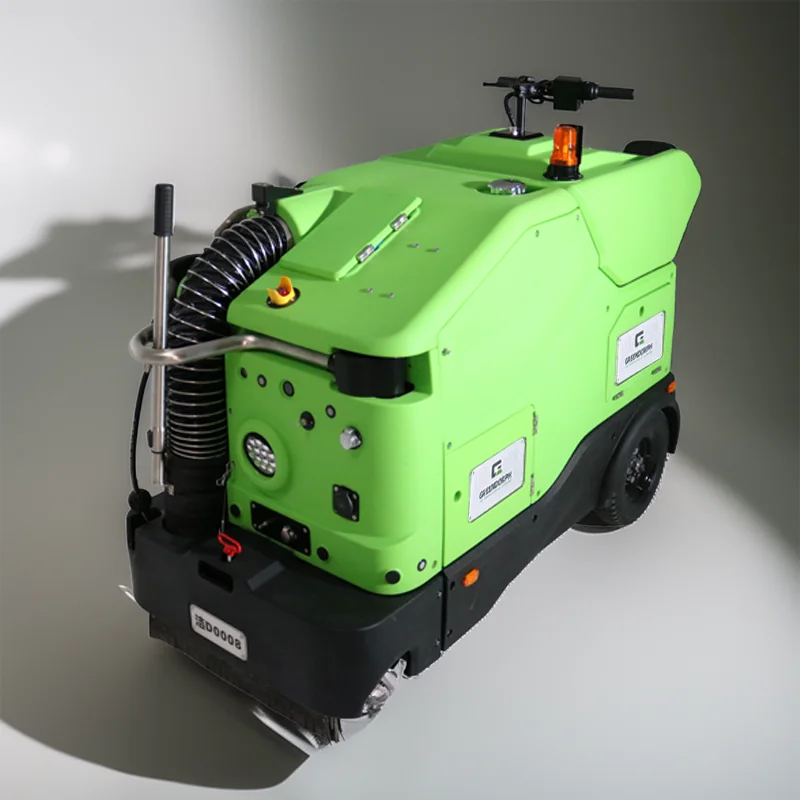
Operating heavy cleaning equipment demands a combination of technical knowledge, spatial awareness, and systematic procedures. For facility managers, fleet operators, and municipal crews, mastering the operation of a street sweeper directly impacts cleaning quality, equipment longevity, and overall operational cost. Whether you are managing a large commercial campus or a municipal sanitation fleet, understanding the correct way to drive and operate a street sweeper is not merely a skill—it is a necessity for achieving consistent, high-efficiency results.
透明.png)
Pre-Operation Inspection and System Checks
Before engaging the engine, a thorough inspection sets the foundation for safe and effective operation. A street sweeper relies on a complex interplay of hydraulic systems, brush mechanisms, water pumps, and filtration units. From a scientific standpoint, each component follows precise engineering principles: hydraulic pressure must remain within specified ranges to maintain brush contact force, while water flow rates are calibrated to suppress fugitive dust without oversaturating surfaces.
We at Greendorph recommend operators begin with a visual inspection of all mechanical parts, paying close attention to the condition of gutter brooms and main brushes. Worn bristles reduce sweeping efficiency and increase fuel consumption, as the machine must work harder to achieve the same cleaning result. Additionally, checking the dust control system—particularly filter seals and water nozzles—ensures that particulate matter is captured rather than redistributed into the air. Many street sweeper manufacturers design their equipment with diagnostic interfaces that display real-time system status; leveraging these tools allows operators to identify potential issues before they escalate into costly downtime.
Mastering the Controls and Cleaning Mechanisms
Modern street sweepers integrate advanced control systems that require operators to understand not only steering and speed management but also the coordination of sweeping functions. The principle of effective sweeping lies in the balance between travel speed and brush engagement. When the forward speed exceeds the brush’s ability to transfer debris into the hopper, particulate matter is simply scattered rather than collected. Empirical studies in pavement cleaning efficiency show that optimal sweeping occurs at speeds between 3 and 8 miles per hour, depending on debris load and surface texture.
From an operational perspective, driving a street sweeper involves continuous adjustment of brush pressure, water flow, and suction intensity. We emphasize that operators should familiarize themselves with the machine’s programmable settings, as modern street sweeper manufacturers now incorporate smart control modules that allow for pre-set parameters based on surface type—asphalt, concrete, or porous pavement. Using these features not only improves cleaning performance but also reduces unnecessary wear on mechanical components. Furthermore, understanding the turning radius and rear-wheel steering (common on many large sweepers) is critical for navigating tight corners, especially in parking lots, industrial yards, and campus environments where obstacles are frequent.
Operational Best Practices for Maximum Efficiency
To achieve consistent results while minimizing operating costs, operators must adopt methodical driving patterns. One scientifically validated approach is the overlapping pass technique: each subsequent sweep path should overlap the previous by 20 to 30 percent of the brush width. This eliminates debris streaks and ensures full coverage without redundant passes. In large-area applications such as logistics parks or agricultural facilities, route planning based on debris accumulation patterns can reduce fuel consumption by up to 15 percent.
We also stress the importance of proactive debris management. Driving a street sweeper is not simply about moving forward—it is about anticipating where heavy debris accumulates, such as near loading docks, entry gates, and landscaped edges. By focusing efforts on high-load zones and adjusting brush speed accordingly, operators can extend brush life and reduce the frequency of hopper dumping cycles. Many street sweeper manufacturers now equip their machines with telematics systems that record operational data, enabling fleet managers to analyze routes, idle time, and cleaning efficiency. Using this data to train operators leads to measurable improvements in both productivity and machine longevity.
Driving a street sweeper effectively requires more than mechanical aptitude—it demands a systematic approach that integrates pre-operation inspections, precise control coordination, and data-informed operational strategies. When operators follow these principles, they not only achieve superior cleaning results but also extend the service life of critical components, reduce fuel consumption, and lower total cost of ownership. As street sweeper manufacturers continue to incorporate smarter diagnostics and automation, the role of the operator evolves from manual controller to system manager. By mastering the fundamentals outlined above, organizations can ensure their sweeping operations remain efficient, reliable, and ready to meet the demands of large-scale commercial and municipal environments.