At Greendorph, we regularly hear the same question from warehouse operators: “Does automating floor cleaning actually pay off?” The short answer is yes—but only if you evaluate the right metrics. As a supplier focused exclusively on smart sanitation for large outdoor areas, we’ve helped logistics centers, industrial campuses, and distribution hubs build practical ROI frameworks for warehouse sweeper deployments. This guide walks you through that process step by step.
Why Traditional Cost Calculations Miss the Full Value of Warehouse Sweeping
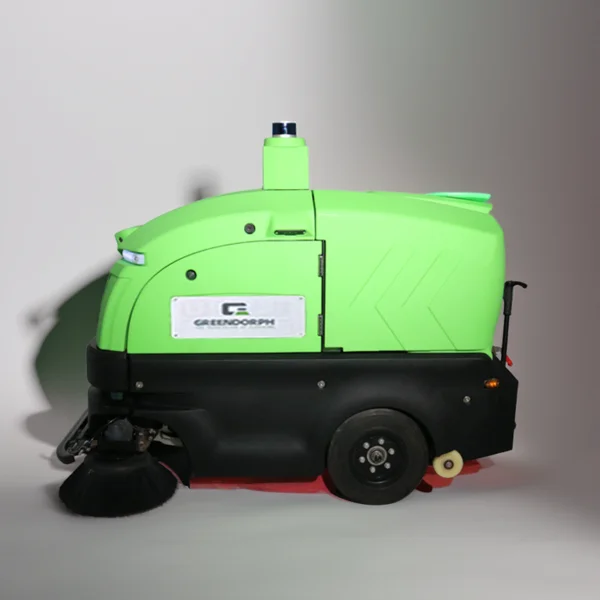
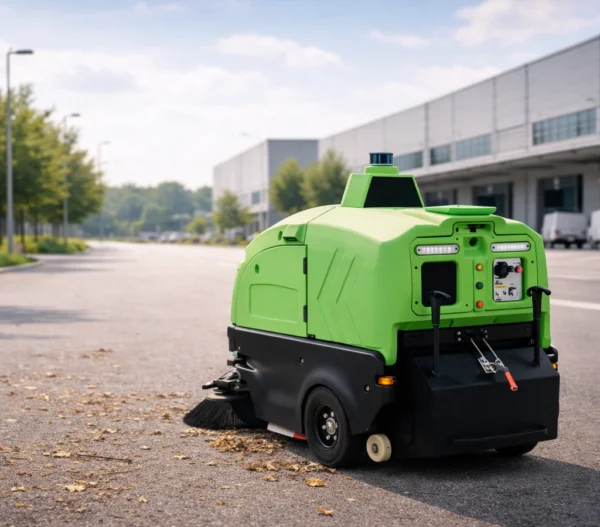
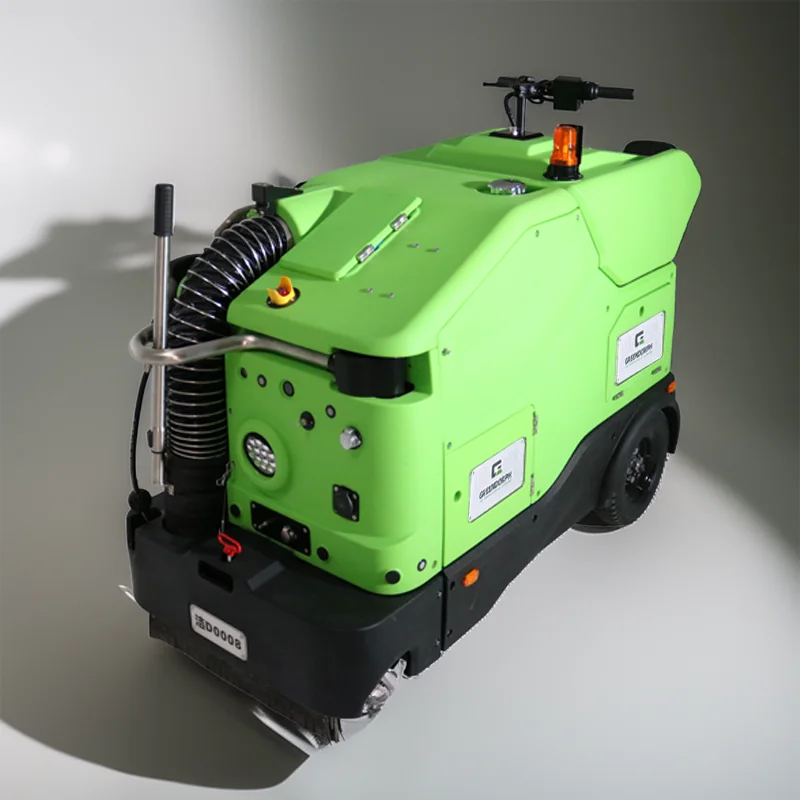
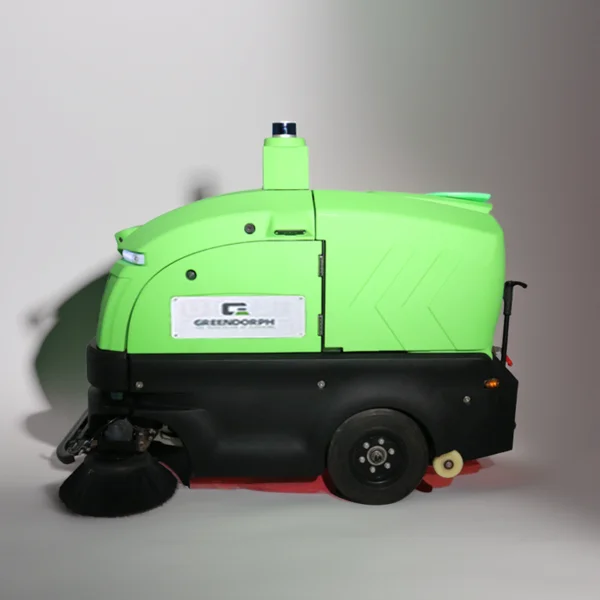
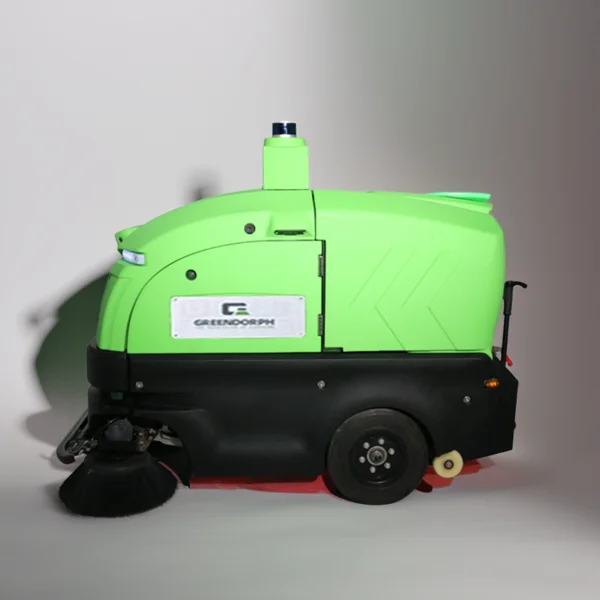
Most managers start by comparing a warehouse sweeper’s purchase price against current manual labor costs. That’s a mistake. A truly autonomous warehouse sweeper like our Auto Sweeper YJ130 changes operational fundamentals beyond simple labor substitution. Consider what manual warehouse sweeping actually hides: overtime pay, injury claims from pushing heavy equipment, inconsistent results between shifts, and supervisor time spent checking work.
When we help clients model ROI, we always include these four hidden variables:
Occupational hazard reduction – Fewer slip-and-fall incidents and repetitive strain injuries
Cleaning consistency – 95%+ efficiency every cycle, not just when supervisors watch
Reallocation of staff – Moving workers from sweeping to value-added inventory tasks
Extended equipment life – Regular automated warehouse sweeping prevents abrasive debris from damaging floors and racking
A Three-Step Framework for Calculating Your Warehouse Sweeper Payback Period
Step one: measure your current warehouse sweeping costs over a full month. Include wages, benefits, supervision, equipment maintenance, and any third-party contract fees. Then add incident reports related to floor debris—each slip claim typically exceeds a warehouse sweeper’s annual operating budget.
Step two: model automated warehouse sweeper performance. The Auto Sweeper YJ130 covers 5,760 m² per hour at 3.6 km/h with 6–8 hours of continuous runtime. Calculate how many hours of current manual warehouse sweeping that replaces daily. Factor in zero CO2 emissions and near-silent operation, which allows cleaning during peak shifts without disrupting workflows.
Step three: project total cost of ownership over three to five years. Include the warehouse sweeper purchase or lease, charging infrastructure, annual maintenance, and operator training (typically under two hours for fully autonomous units like the YJ130). Compare that against cumulative manual costs from step one. Most of our clients see payback within 12 to 18 months.
Building a Business Case That Gets Approved
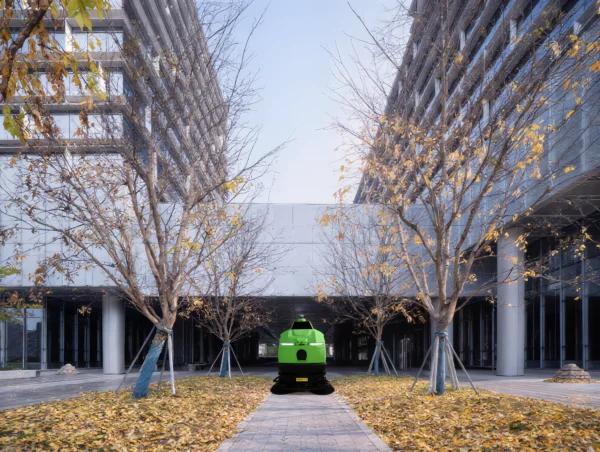
Automated warehouse sweeping isn’t just about sweeping floors—it’s about predictable cleanliness without human fatigue. At Greendorph, our Auto Sweeper YJ130 combines suction, airflow-assist, and misting spray to deliver over 95% cleaning efficiency across parks, industrial campuses, and schools. But the real ROI comes from what you stop spending: overtime, injury claims, and re-cleaning missed sections. We invite you to run your numbers through this framework. Then contact us to see how a Greendorph warehouse sweeper transforms those calculations into monthly savings.