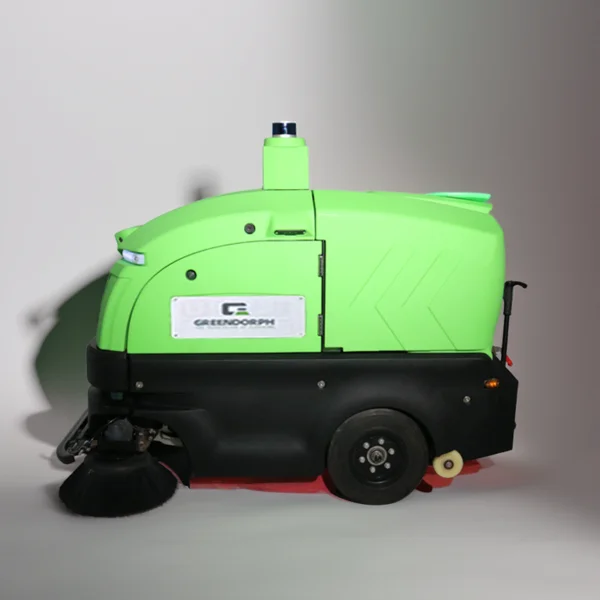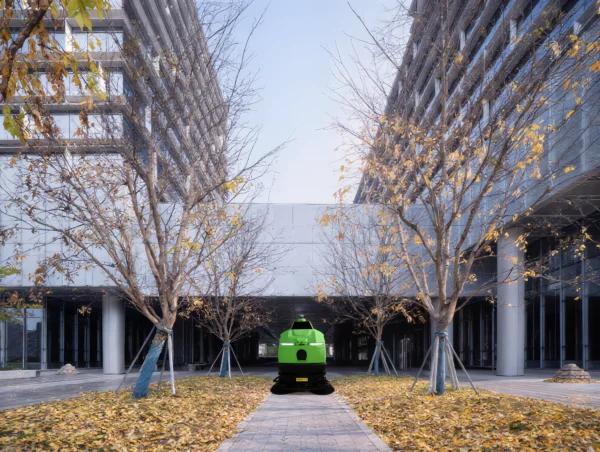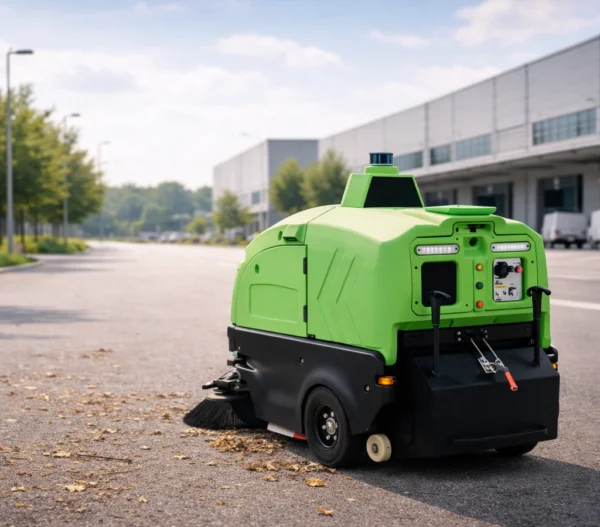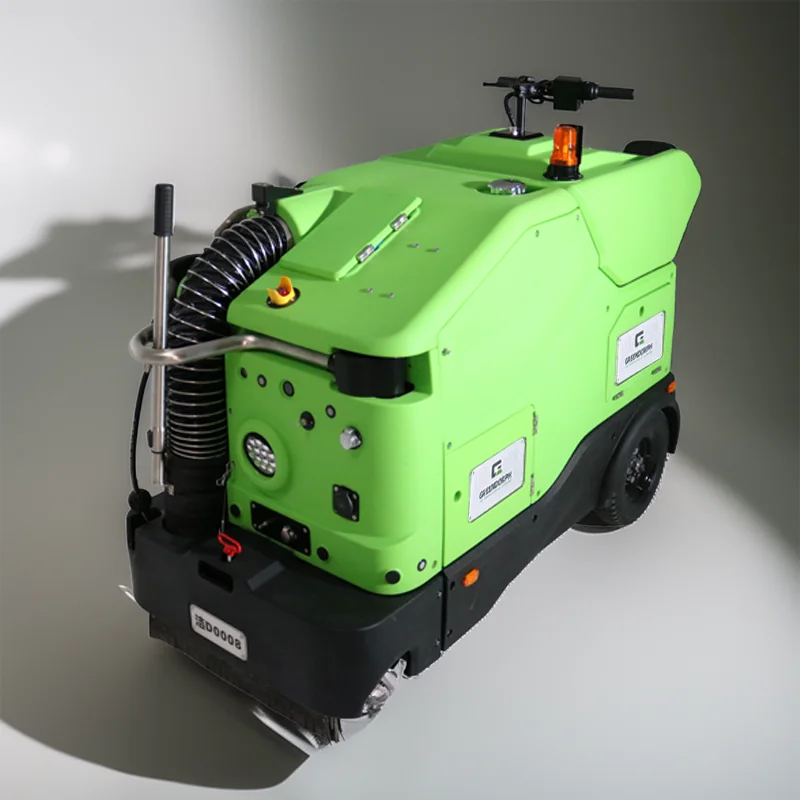
University campuses function as self-contained communities, with road networks that must accommodate pedestrian traffic, service vehicles, and outdoor gatherings throughout the year. Unlike municipal streets, campus roads often feature narrower lanes, frequent crosswalks, and surfaces that combine asphalt with brick or permeable paving. Selecting the right street sweeper vacuum for such environments requires a methodical evaluation of technical specifications against real‑world operational demands. At Greendorph, we have helped numerous institutions match equipment to their unique infrastructure, and we consistently emphasize three critical factors that determine long‑term performance.
Matching Pavement Types and Debris Profiles
Campus roads rarely present uniform conditions. Main arteries may accumulate autumn leaf loads, while inner pathways collect fine gravel, sand tracked from athletic fields, and occasional litter from student activities. A street vacuum that excels on one surface may struggle on another if its brush system and suction design are not properly configured. We recommend examining the brush mechanism first: a street sweeper vacuum with adjustable brush pressure and interchangeable bristle materials can adapt to varied surfaces without causing damage. Additionally, the filtration system plays a decisive role. Fine particulates, such as silica dust from walkways or pollen during spring, require high‑efficiency particulate arrestance to prevent recirculation into the campus environment. Our engineering approach integrates layered filtration that captures particles down to micron levels, ensuring that the machine’s operation contributes positively to campus air quality rather than simply relocating dust.
Autonomy and Operational Safety Near Pedestrians
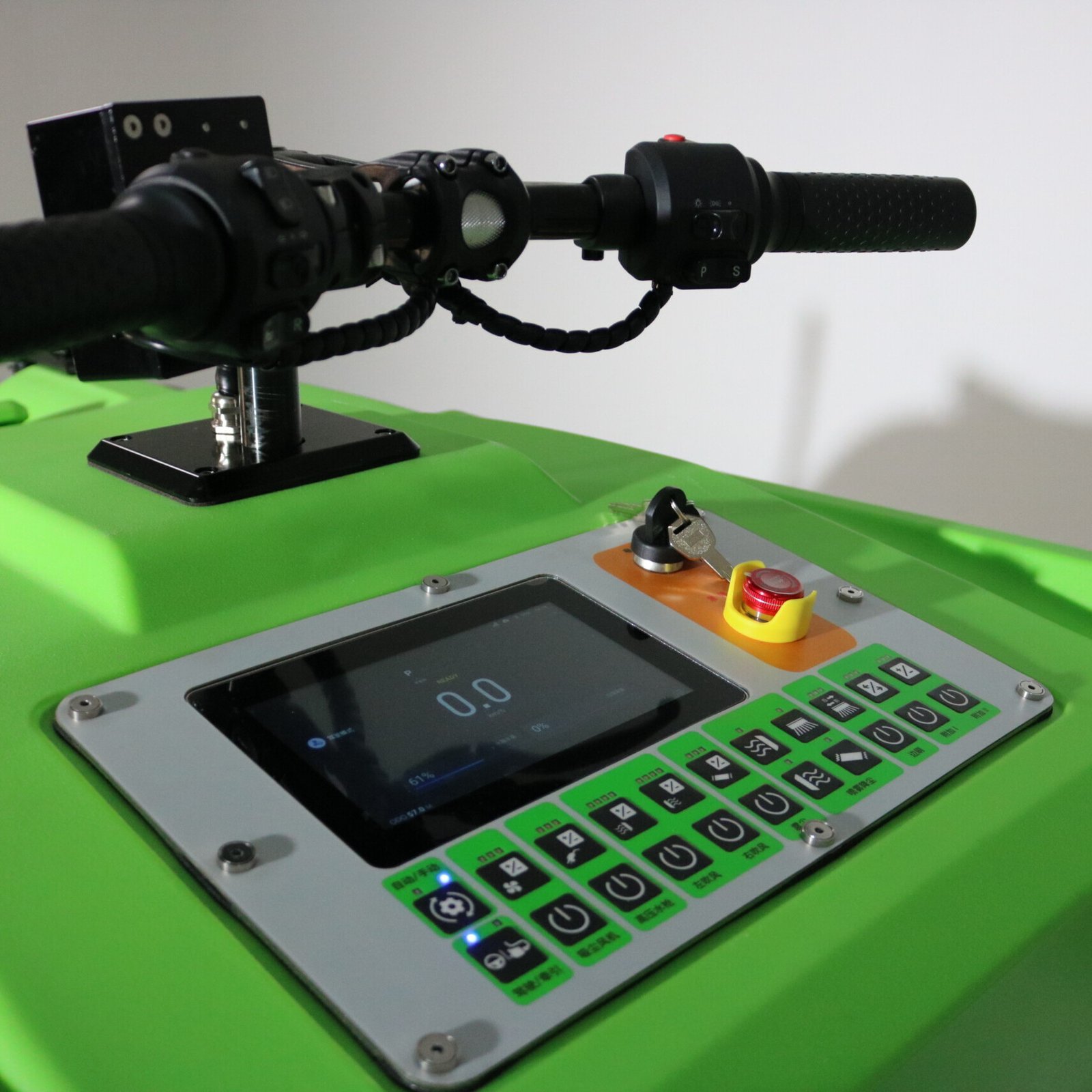
Campus roads are shared spaces where cleaning operations must coexist with students, faculty, and cyclists. A manually driven street vacuum can introduce logistical challenges—scheduling disruptions, noise during class hours, and potential safety concerns in congested zones. Autonomous or semi‑autonomous street sweeper vacuum units offer a distinct advantage here. Equipped with perception sensors, these machines can navigate pedestrian‑rich environments, automatically reducing speed near crosswalks and pausing when crowds are dense. We have observed that facilities employing such equipment are able to shift cleaning to early morning or mid‑day intervals without impeding campus life. More importantly, the elimination of repetitive low‑speed driving reduces operator fatigue and frees skilled personnel to focus on specialized maintenance tasks. When evaluating options, we advise campus administrators to prioritize models with proven human‑machine interaction protocols and robust obstacle‑detection reliability.
Lifecycle Efficiency and Sustainability Alignment
Institutional buyers increasingly scrutinize total cost of ownership and environmental impact. A street vacuum that consumes excessive water or operates on inefficient power systems can undermine sustainability targets while inflating operational budgets. Modern street sweeper vacuum solutions leverage electric powertrains and smart water‑management systems that precisely meter usage based on surface conditions. Our own models, for instance, utilize cloud‑connected telemetry to monitor battery cycles, filter loading, and component wear—allowing predictive maintenance that minimizes downtime. For campuses committed to carbon neutrality, the transition from diesel‑powered sweepers to electric street vacuum units directly contributes to scope 1 emission reductions. Furthermore, the data generated by connected equipment enables facility managers to document cleaning efficacy for internal audits and accreditation requirements. This level of operational transparency transforms cleaning from a routine expense into a measurable asset.
Selecting a street sweeper vacuum for campus roads is not merely a procurement exercise; it is a decision that influences daily user experience, safety outcomes, and long‑term facility budgets. By focusing on surface adaptability, pedestrian‑safe autonomy, and lifecycle efficiency, institutions can deploy equipment that aligns with both operational needs and sustainability commitments. At Greendorph, we continue to work alongside campus facility teams to tailor solutions that respect the unique rhythm of academic environments—delivering consistently clean roads without compromising the vibrancy of campus life.