Manufacturing facilities operate on precise rhythms where any disruption to workflow translates directly into throughput losses. Floor cleanliness in these environments is not merely an aesthetic concern—it affects equipment performance, worker safety, and product quality. Yet scheduling manual cleaning in active production zones has always required balancing hygiene needs against operational interruptions. We have worked with facility engineers and operations leaders to deploy automated cleaning solutions across several smart factory settings, and the implementation process consistently reveals that success depends on three interconnected factors: integration with existing automation layers, adaptation to site‑specific contaminants, and validation through operational data.
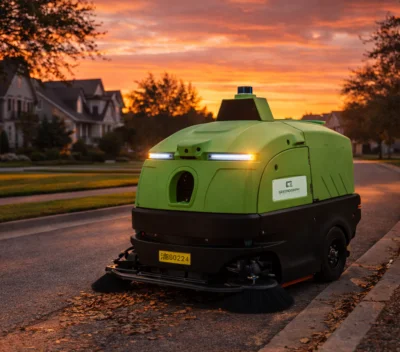
Mapping and Integration with Factory Automation Ecosystems
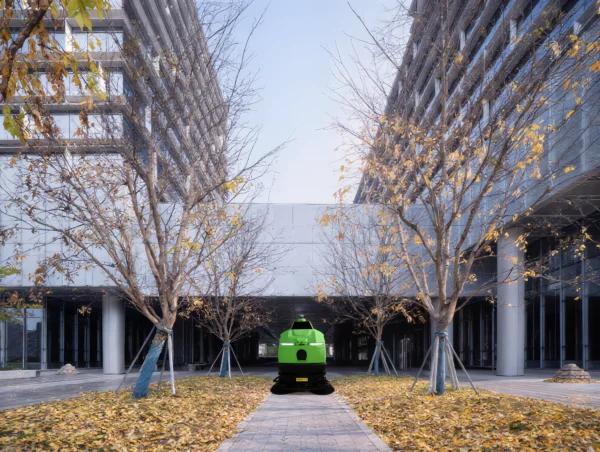
A smart factory environment typically already contains a layered network of automated guided vehicles, conveyor systems, and supervisory control systems. Introducing a robot floor cleaner into this ecosystem demands more than a simple deployment—it requires orchestration. We begin by conducting a comprehensive mapping phase where the autonomous floor cleaning robot learns the facility’s dynamic pathways, including zones where forklifts operate, temporary workstations shift, and safety buffers fluctuate. The critical step lies in integrating the machine’s navigation system with the factory’s existing traffic management protocols. When a robot floor cleaner shares real‑time position data with the facility’s industrial control system, it can autonomously yield to material transport vehicles, pause during high‑traffic shifts, and resume cleaning precisely when zones become idle. In our deployments, this level of integration eliminates the need for segregated cleaning schedules, allowing the autonomous floor cleaning robot to operate continuously without impeding production flow.
Configuring for Industrial Contaminant Profiles
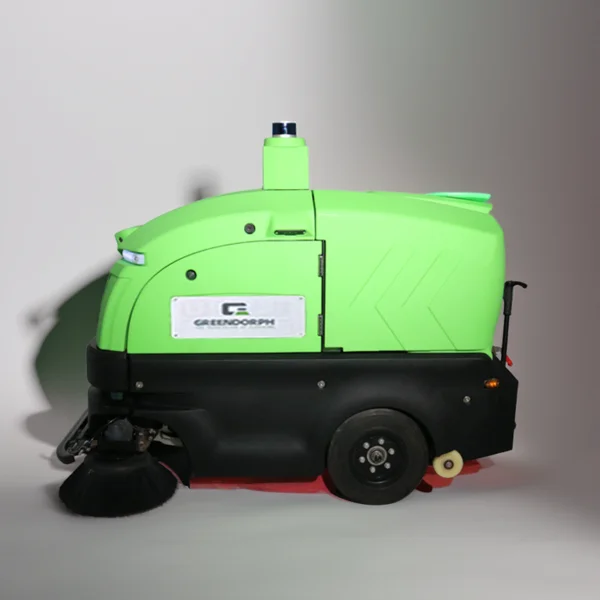
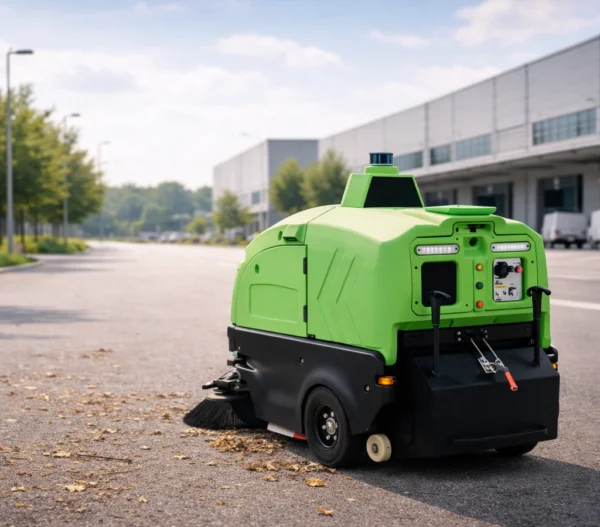
Factory floors present contaminant profiles that differ substantially from commercial or institutional settings. Metal shavings, lubricant residues, fine particulate from machining processes, and occasional hydraulic fluid spills each demand specific mechanical and chemical responses. A standard robot floor cleaner configured for general purpose sweeping will struggle with these materials. We approach this by first characterizing the facility’s debris types across different zones—assembly areas versus storage aisles versus shipping docks. The autonomous floor cleaning robot is then equipped with modular brush systems, adjustable down‑pressure settings, and chemical dispensing controls calibrated to each zone. For example, areas with fine metallic dust require high‑filtration vacuum systems paired with anti‑static brush materials, while zones prone to oil accumulation benefit from scrubbing heads with specialized pad compounds. We also configure the robot floor cleaner to perform targeted spot cleaning when sensors detect fluid residues, preventing slip hazards before they escalate into safety incidents.
Measuring Performance Through Data Validation
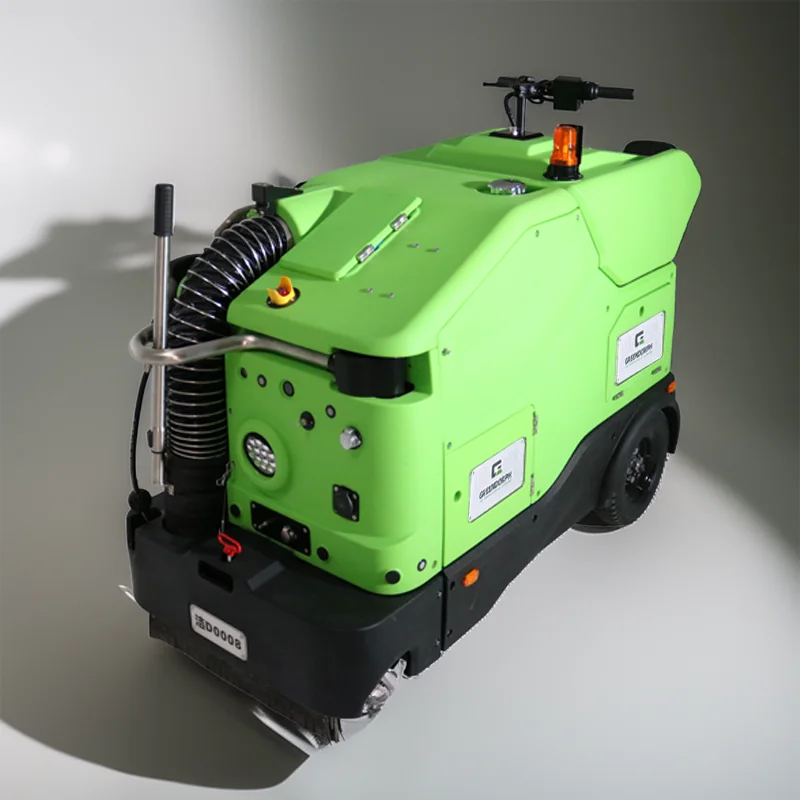
Implementation success in a smart factory environment hinges on measurable outcomes. We deploy autonomous floor cleaning robot systems with telemetry that tracks not only cleaning coverage but also quantifiable indicators such as particulate counts per square meter, slip resistance values, and machine uptime. This data flows into the facility’s existing manufacturing execution system, allowing production managers to correlate cleaning cycles with quality control metrics. In one facility we supported, consistent deployment of the robot floor cleaner reduced floor‑related maintenance calls by 37 percent within the first quarter, and the autonomous floor cleaning robot’s ability to generate verified cleaning logs simplified compliance reporting for safety audits. Equally important, the data reveals opportunities for continuous improvement—adjusting cleaning frequencies based on actual soil accumulation patterns rather than fixed schedules, and predicting brush or filter replacement needs before they affect performance.
Implementing an autonomous floor cleaning robot in a smart factory requires moving beyond conventional cleaning considerations to embrace system‑level integration, contaminant‑specific configuration, and data‑driven performance validation. When approached with this rigor, the robot floor cleaner becomes not a standalone maintenance tool but an integrated component of the facility’s operational excellence strategy. We at Greendorph encourage manufacturing leaders to view automation in cleaning with the same disciplined methodology they apply to production automation—the returns in safety, efficiency, and consistent quality justify the investment.