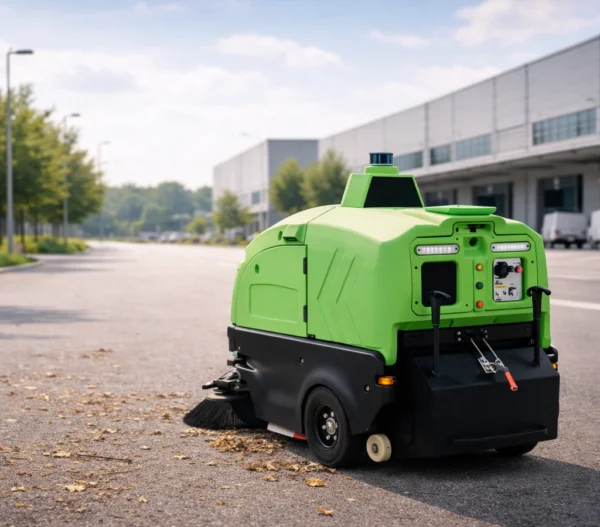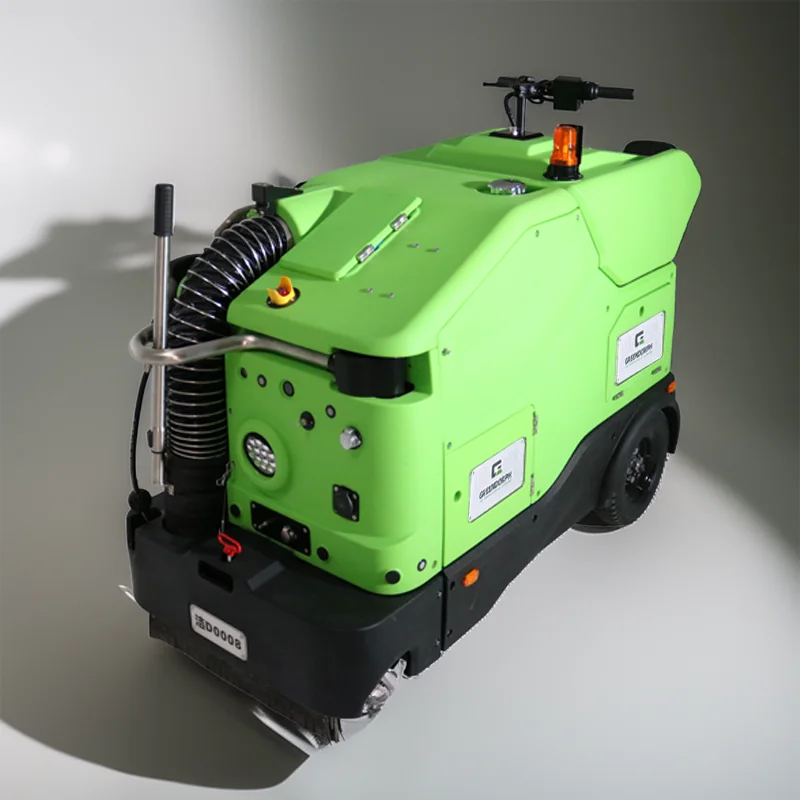
For municipalities transitioning to sustainable fleets, the shift from diesel‑powered equipment to electric alternatives introduces a complex but solvable engineering challenge. While the operational benefits of quieter, emission‑free cleaning are well understood, the real inflection point lies in how effectively electric street sweepers integrate with existing electrical infrastructure. Grid compatibility determines not only uptime but also the long‑term viability of fleet electrification. Drawing on our work deploying automated cleaning solutions across hundreds of sites, we at Greendorph focus on the technical intersections where power systems meet modern sweeper technology.
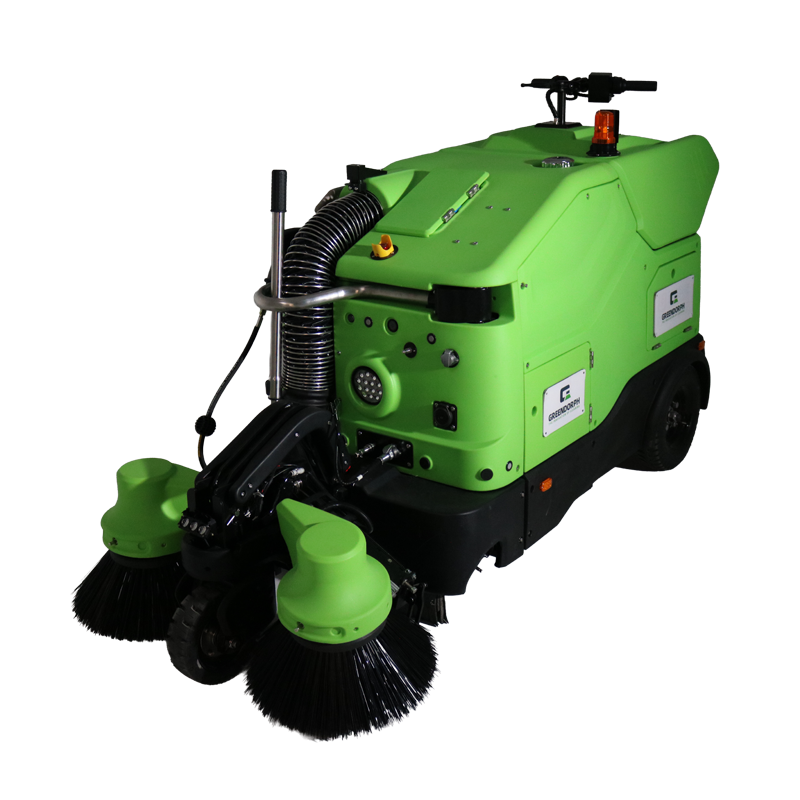
Evaluating Charging Infrastructure Capacity
The first step in integration is a granular assessment of existing grid capacity. A single street sweeper operating on a high‑voltage battery system can demand sustained power levels comparable to several residential units during charging. Many municipal depots were not originally wired to handle simultaneous charging of multiple heavy‑duty vehicles. We recommend conducting load studies that map peak facility usage against projected charging schedules. In our projects, we have seen that depots with older transformers often require upgrades or the installation of dedicated feeders to support a fleet of electric street sweepers. Smart load‑management systems offer a practical intermediate solution: they stagger charging cycles so that no single street sweeper draws power during facility peak hours, effectively doubling usable capacity without immediate infrastructure overhauls.
Implementing Smart Charging and Grid Interaction
Beyond passive capacity planning, intelligent charge control turns a street sweeper from a simple load into a grid‑interactive asset. Modern electric street sweepers are equipped with telematics that communicate battery state, estimated charge time, and energy consumption patterns. By integrating these data streams with a central energy management system, fleet operators can schedule charging during off‑peak tariff periods, reducing operational costs while flattening demand spikes. In several large‑scale deployments, we have coupled this approach with vehicle‑to‑grid (V2G)‑ready hardware, allowing electric street sweepers to return stored energy during brief peak events. This bidirectional capability transforms the sweeper fleet into a distributed energy resource, supporting grid stability rather than merely consuming from it. Such integration requires careful coordination with utility providers, but the result is a system that aligns municipal cleaning operations with broader energy resilience goals.
Managing Maintenance and Operational Continuity
Reliable grid integration also depends on how charging infrastructure is maintained alongside the sweepers themselves. A street sweeper that cannot charge reliably undermines route consistency. We prioritize designing charging layouts that account for operational workflows: chargers placed near wash bays, redundant power feeds for critical depots, and standardized connector types across the fleet. Preventative monitoring of charging equipment—using the same telematics platform that tracks the electric street sweepers—reduces unplanned downtime. From our experience, depots that implement routine thermal imaging of electrical panels and connector inspections see 30‑40% fewer charging‑related service interruptions. Moreover, coupling charger health data with sweeper usage patterns allows predictive maintenance, ensuring that the grid interface remains as dependable as the sweepers themselves.
Integrating electric street sweepers into municipal power grids is less a single event than a continuous process of alignment between fleet operations and electrical infrastructure. Success depends on upfront capacity planning, intelligent charge management, and a maintenance strategy that treats the grid connection as a critical asset. When approached systematically, this integration does more than support cleaner streets—it builds a more resilient, cost‑effective foundation for municipal fleets to scale electrification with confidence.