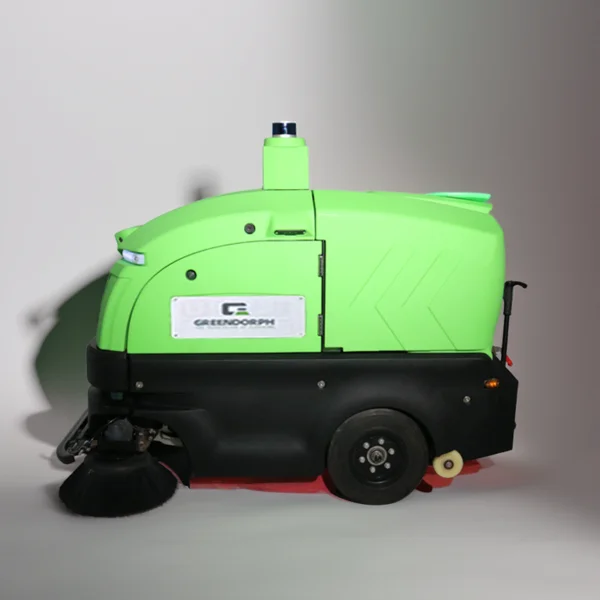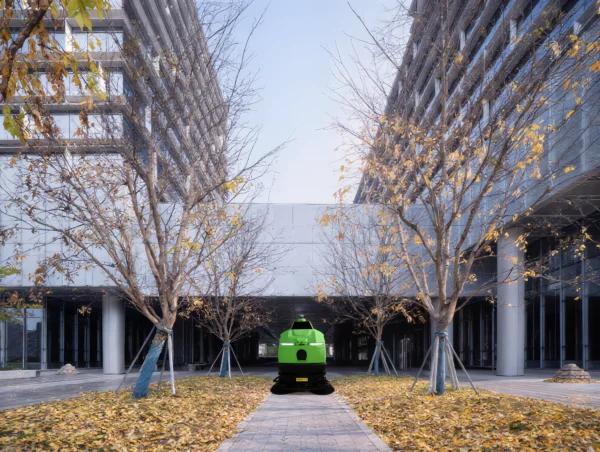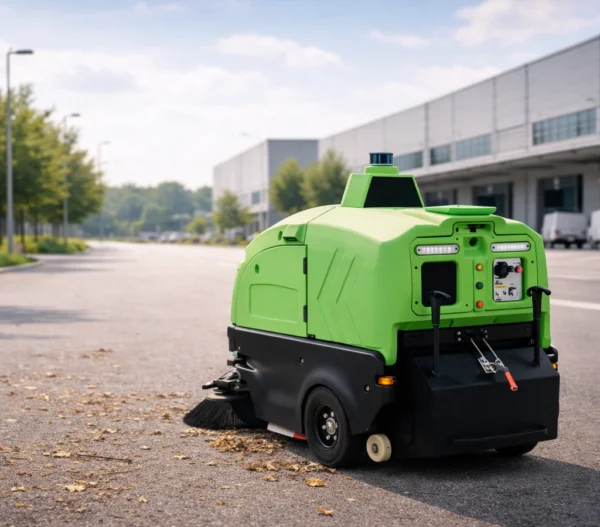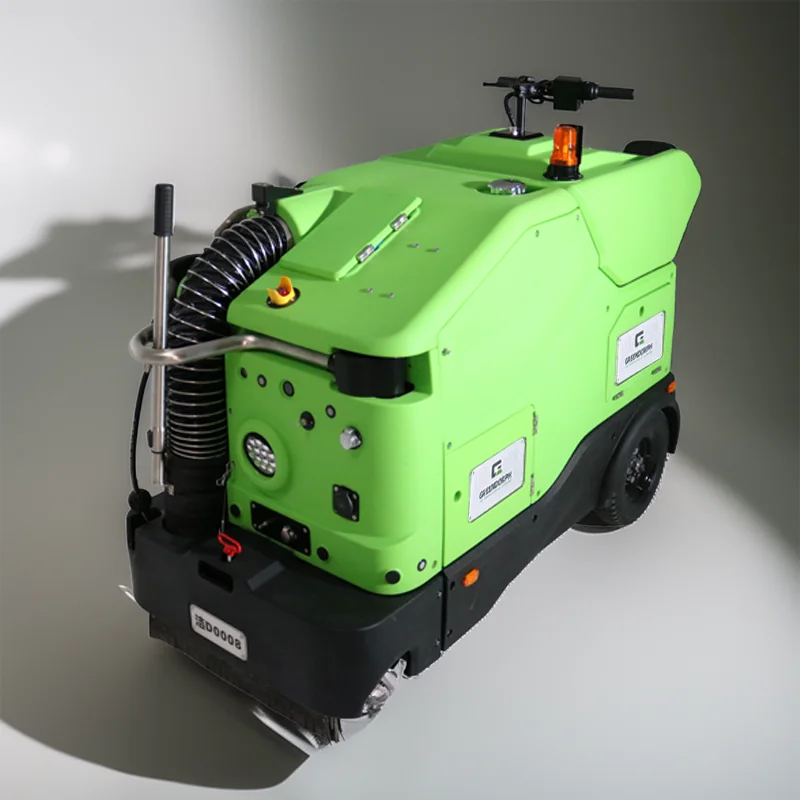
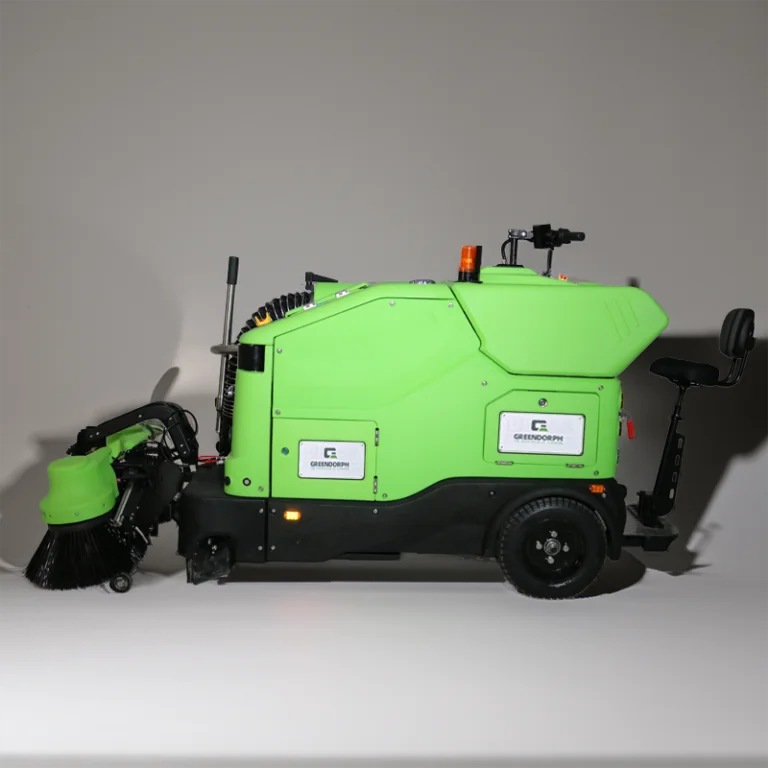
Every facility manager seeking to optimize cleaning operations eventually faces a critical comparison: mechanized equipment versus manual labor. When we at Greendorph analyzed performance data across more than three hundred commercial and industrial project deployments, the efficiency gap between modern ride‑on vacuums and traditional manual mopping became unmistakably clear. The difference is not merely about speed; it encompasses labor productivity, cleaning consistency, and long‑term operational cost. To help organizations make an informed investment decision, we break down the measurable advantages of adopting a ride on sweeper or ride‑on vacuum in place of conventional mopping routines.
Quantifying Labor Productivity
Manual mopping is inherently constrained by human walking speed, physical endurance, and the repetitive motion required to cover large floor areas. In a typical warehouse or manufacturing facility, a worker with a mop and bucket may achieve a cleaning rate of approximately 200 to 300 square meters per hour under ideal conditions—a figure that drops significantly when factoring in time for wringing, refilling, and drying. By contrast, a modern ride on vacuum can clean three to five times that area in the same period while the operator remains seated, reducing fatigue and enabling longer effective work shifts. From our project records, facilities that transitioned to a ride‑on sweeper for daily floor maintenance reduced their dedicated cleaning labor hours by over forty percent, allowing staff to be redeployed to higher‑value tasks such as detailed sanitation or equipment upkeep. This shift does not eliminate jobs but instead elevates the role of cleaning personnel from repetitive physical labor to skilled equipment operation, which in turn improves retention and job satisfaction.
Cleaning Consistency and Coverage
One of the most overlooked aspects of the efficiency gap is consistency. Manual mopping produces variable results influenced by operator technique, water temperature, detergent concentration, and the frequency of changing dirty water. In large‑scale environments such as logistics centers or university campuses, this variability often leaves sections under‑cleaned or over‑wet, creating slip hazards and diminishing overall hygiene standards. A ride‑on vacuum, conversely, operates with engineered precision. The machine applies uniform down pressure, maintains consistent water flow (when equipped with scrub functions), and systematically covers every defined path through programmed or guided operation. Our deployment data shows that sites using a ride‑on sweeper in combination with a ride‑on vacuum achieve more than ninety‑five percent repeatable cleanliness scores on facility audits, compared to less than seventy percent for manual mopping crews under the same supervision. This consistency directly translates to fewer complaints from tenants, lower liability risks, and a cleaner environment that supports regulatory compliance.
Total Cost of Ownership in Perspective
When evaluating equipment investments, some organizations focus solely on the upfront price of a ride‑on vacuum and overlook the accumulated costs of manual methods. Labor expenses typically constitute seventy to eighty percent of a facility’s cleaning budget. By compressing cleaning time per square meter, a ride‑on sweeper reduces that dominant cost component. Additionally, modern ride‑on vacuums are engineered for durability, with brush life, battery cycles, and maintenance intervals designed to minimize downtime. Across the projects we have supported, the average payback period for replacing manual mopping with mechanized equipment falls between six and twelve months when factoring in labor savings, reduced water and chemical consumption, and lower absenteeism from injury—manual mopping carries a higher incidence of repetitive‑strain injuries and slips. Moreover, the integration of AI‑enabled cloud platforms (such as those we deploy) further optimizes fleet utilization, ensuring that each ride‑on vacuum operates on the most efficient route and schedule, thereby extending equipment life and maximizing return on investment.
The efficiency gap between ride‑on vacuums and manual mopping is not a matter of incremental improvement; it represents a fundamental shift in how commercial and industrial cleaning can be delivered. By adopting a ride‑on sweeper or ride‑on vacuum, organizations gain substantial gains in labor productivity, achieve consistent cleaning outcomes that manual methods cannot match, and realize a favorable total cost of ownership that strengthens their operational budget. At Greendorph, our experience across more than three hundred global deployments confirms that the transition to mechanized cleaning is one of the highest‑impact decisions a facility manager can make—not only for immediate efficiency but for long‑term sustainability and quality assurance.