
Deploying a floor cleaning robot in large outdoor spaces can significantly enhance cleaning efficiency and maintain hygiene standards. For businesses in the market, understanding the deployment process and mapping is crucial to maximizing the benefits of a robot floor cleaner. This guide outlines the essential steps for successfully implementing a floor cleaning robot like those offered by Greendorph.
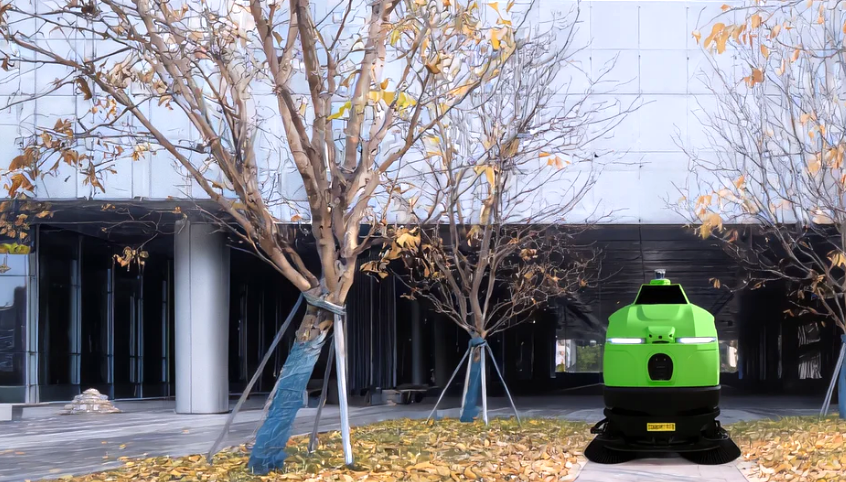
Step 1: Assessing Your Cleaning Environment
The first step in deploying a floor cleaning robot is assessing the environment that requires cleaning. This involves identifying the space, understanding its layout, and noting any specific challenges.
Consider factors such as:
Dimensions of the Area: Measure the size of the space to determine the number of units you may need.
Surface Types: Identify different surfaces, such as concrete, tiles, or brick, which may require varying scrubbing and suction settings.
Obstacles and Hazards: Take note of fixed obstacles, such as furniture, landscaping, or fixtures, that may hinder the robot’s movement.
A thorough assessment enables you to configure the robot floor cleaner effectively to navigate the space without interruption.
Step 2: Configuring the Robot Floor Cleaner
Once you have assessed your cleaning environment, the next step is to configure the robot floor cleaner. Modern floor cleaning robots equipped by Greendorph provide advanced user interfaces that simplify this process.
Mapping: Use the robot’s built-in sensors and cameras to create detailed maps of the area. The robot floor cleaner will generate a real-time map to identify the most effective cleaning paths.
Setting Cleaning Preferences: Adjust settings based on the specific cleaning requirements of different zones. This may include selecting cleaning modes (e.g., deep cleaning or quick touch-ups) and scheduling cleaning times to optimize operational efficiency.
Establishing Boundaries: Use virtual barriers or real-world markers to designate areas the robot should avoid, helping to keep it focused on cleaning primary zones without distractions.
By properly configuring the robot, you can ensure effective cleaning operations and avoid potential obstacles during its runs.
Step 3: Monitoring and Optimizing Performance
After deployment, it is essential to monitor the performance of your floor cleaning robot. Advanced models from Greendorph allow for remote monitoring through user-friendly apps.
Performance Tracking: Regularly check operational data, such as cleaning coverage and time spent on various areas. This information helps evaluate the efficiency of the deployed robot floor cleaner.
Adjusting Routes and Schedules: Based on performance data and specific cleaning results, make adjustments to the robot’s cleaning routes and schedules to enhance effectiveness. If certain areas are repeatedly overlooked, modify the mapping or increase the frequency of cleaning in those spots.
Monitoring and refining the cleaning process ensures that the robot remains aligned with your hygiene standards and operational needs.
Maximizing Efficiency with Advanced Cleaning Technology
In summary, deploying a floor cleaning robot requires a structured approach to ensure success. By assessing your cleaning environment, configuring the robot effectively, and continuously monitoring its performance, organizations can enhance cleaning efficiency in large outdoor spaces.
Greendorph’s robot floor cleaners are designed to keep these areas consistently spotless with minimal supervision, catering to the demands of modern facilities. Embracing this advanced cleaning technology not only optimizes cleanliness but also frees up labor resources for more strategic tasks within your organization. As businesses focus increasingly on efficiency and hygiene, implementing a floor cleaning robot becomes a valuable investment in operational excellence.