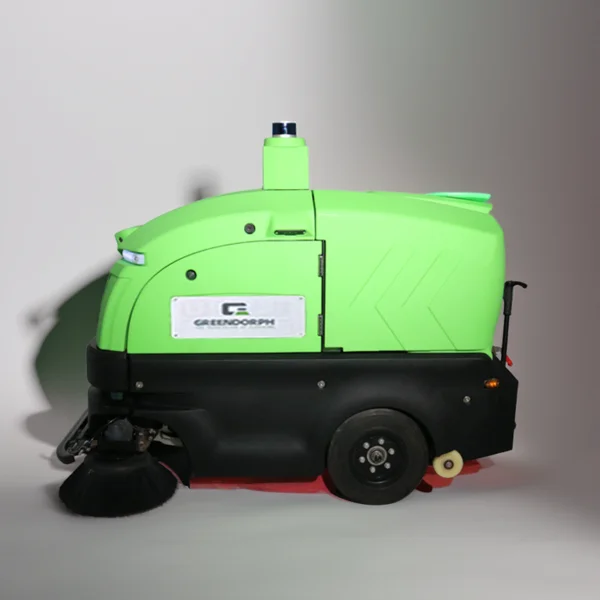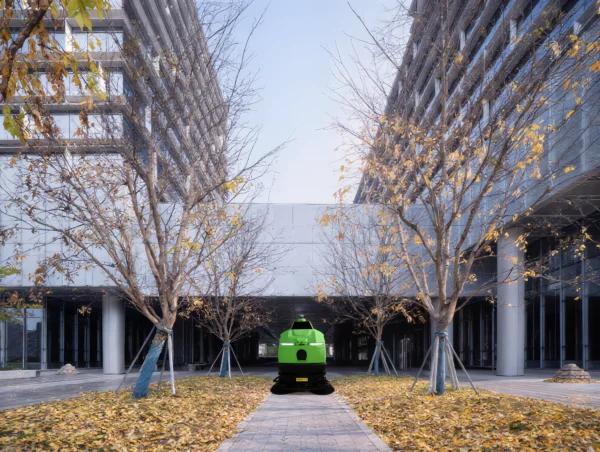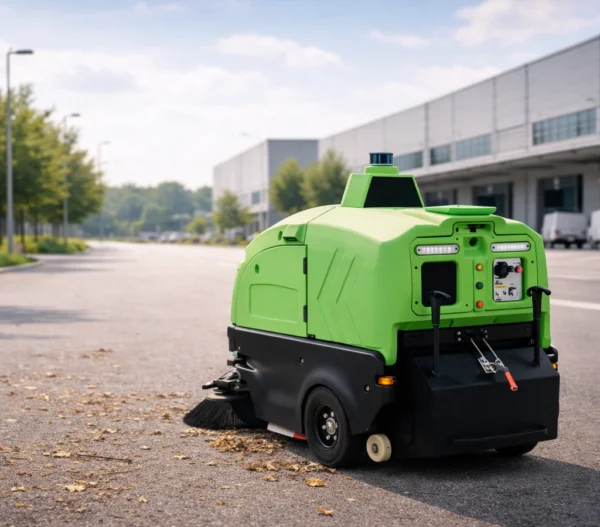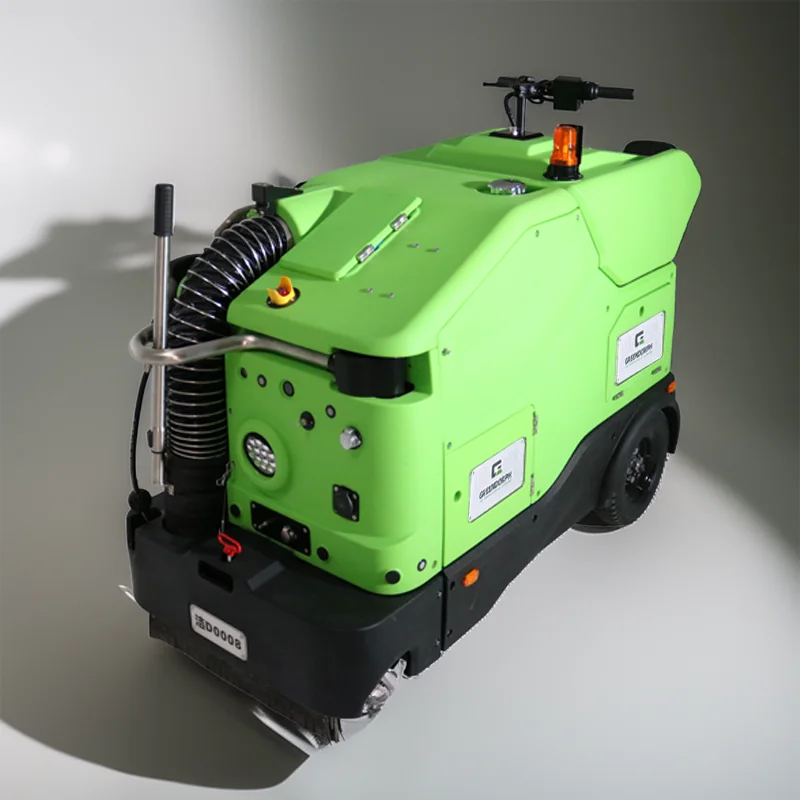
Industry observers have long recognized that outdoor cleaning presents a fundamentally different set of challenges compared to indoor environments. Unpredictable terrain, weather variability, and expansive coverage areas have historically made automation difficult to scale. Yet over the past several years, advances in sensor fusion, battery density, and edge computing have begun to dismantle these barriers. We see the robot vacuum cleaner outdoor segment moving from early adoption to mainstream infrastructure consideration, driven by converging technological and operational trends. The next decade will likely reshape how commercial, municipal, and industrial facilities approach exterior surface maintenance, with implications for labor models, sustainability targets, and asset management strategies.
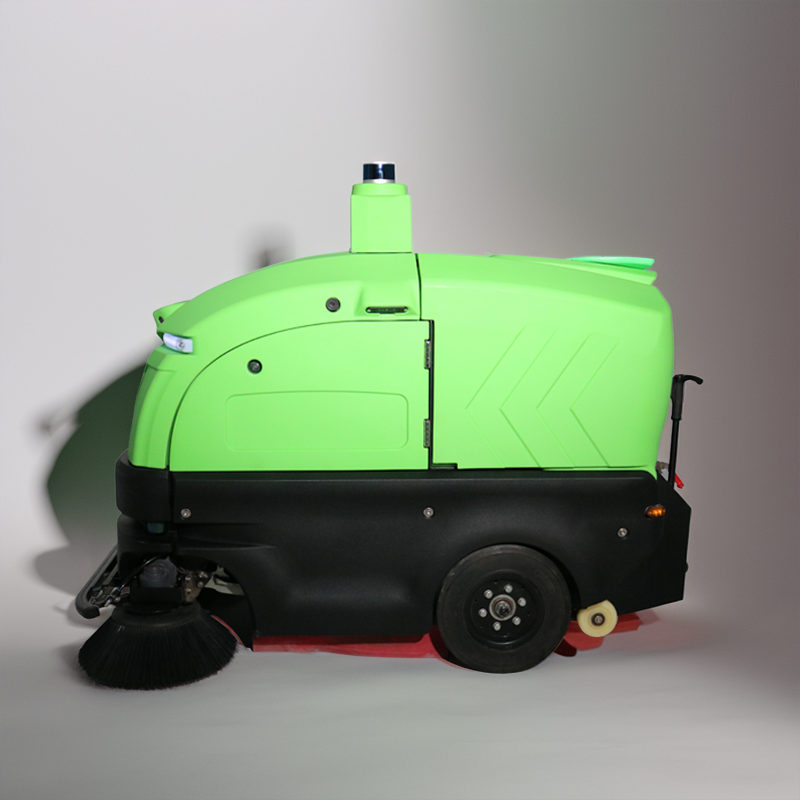
Sensor Fusion and Edge Intelligence Redefine Operational Boundaries
The most significant technical evolution we observe lies in the transition from simple navigational aids to fully integrated perception systems. Early outdoor cleaning units relied heavily on GPS and basic obstacle detection, which proved inadequate for dynamic environments with loose debris, changing light, and unexpected obstacles. Today’s outdoor robot cleaner platforms combine LiDAR, high‑resolution cameras, thermal imaging, and millimeter‑wave radar to build continuous 3D maps that function in rain, dust, and low‑visibility conditions. This sensor fusion is paired with on‑device AI models that classify thousands of object types—from fallen branches to transient construction materials—allowing the robot vacuum cleaner outdoor to adjust cleaning patterns in real time without cloud dependency. As edge computing hardware becomes more power‑efficient, we expect autonomous decision‑making to reach levels where human intervention becomes exceptional rather than routine, unlocking true 24/7 operation for parking lots, campus walkways, and logistics yards.
Electrification and Autonomous Logistics Drive Total Cost Advantages
A second trend reshaping the industry involves the convergence of outdoor cleaning with broader electrification and logistics automation. Municipalities and corporate campuses are under increasing pressure to reduce diesel‑powered equipment, and outdoor robot cleaner units naturally align with zero‑emission mandates. However, the cost advantage extends beyond fuel substitution. When we analyze total cost of ownership, the ability to deploy a robot vacuum cleaner outdoors that autonomously returns to a charging station, empties debris into centralized collection points, and coordinates with other autonomous ground vehicles creates compounding efficiencies. Facilities that have integrated these machines report reductions in non‑productive travel time, lower consumable waste through precision dispensing, and more predictable budgeting due to subscription‑based maintenance models. The next wave will likely see outdoor robot cleaner fleets operating as interconnected systems—sharing real‑time debris maps, coordinating coverage areas, and even communicating with autonomous sweepers or snow removal units to create integrated seasonal maintenance programs.
Integration with Smart Infrastructure and Data Platforms
Perhaps the most consequential development for B2B buyers lies in how robot vacuum cleaner outdoor systems are evolving from standalone tools into nodes within broader smart facility management ecosystems. We are already seeing cloud platforms that aggregate cleaning data with occupancy sensors, weather forecasts, and asset maintenance schedules. This allows facility managers to shift from reactive or scheduled cleaning to condition‑based deployments—sending an outdoor robot cleaner to a specific zone only when sensor data indicates soil levels have exceeded a threshold. The same platforms generate verifiable performance reports that support sustainability certifications, labor optimization audits, and warranty compliance. Looking forward, standardization of communication protocols will enable robot vacuum cleaner outdoor units to interface seamlessly with security gates, electric vehicle chargers, and building automation systems, effectively becoming one component of a responsive, self‑optimizing exterior environment.
The trajectory of the robot vacuum cleaner outdoor industry points toward broader adoption, deeper integration, and measurable operational transformation for businesses managing large‑scale exterior spaces. For organizations evaluating automation strategies, the key will be selecting platforms built on scalable sensor architectures, open data interfaces, and robust electrification—foundations that will support continuous improvement rather than obsolescence. We at Greendorph believe that within the next five years, autonomous outdoor cleaning will transition from a specialized investment to a standard component of efficient facility operations, delivering both immediate labor savings and long‑term strategic value.