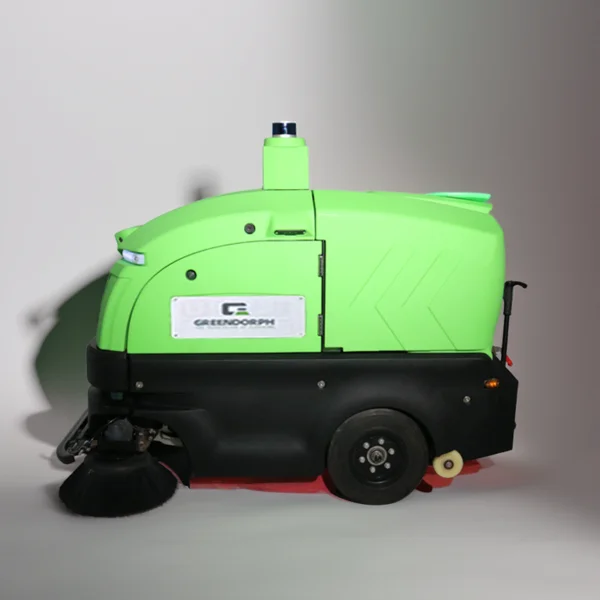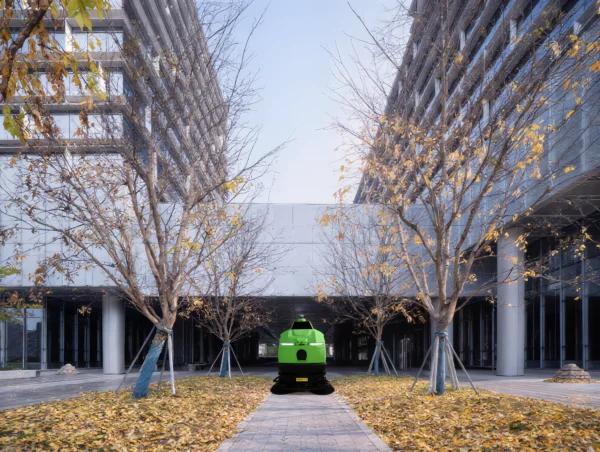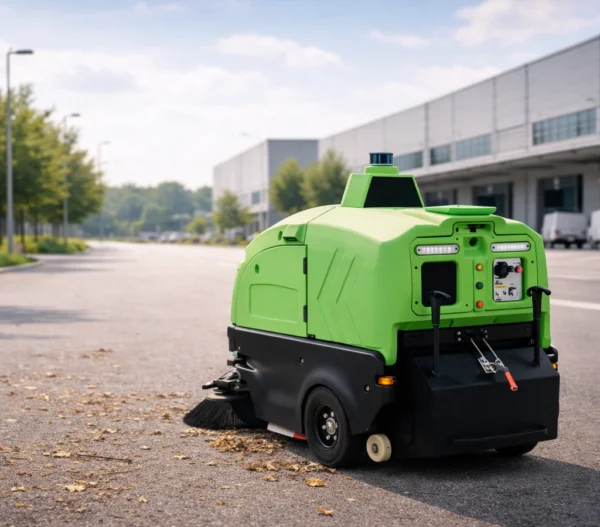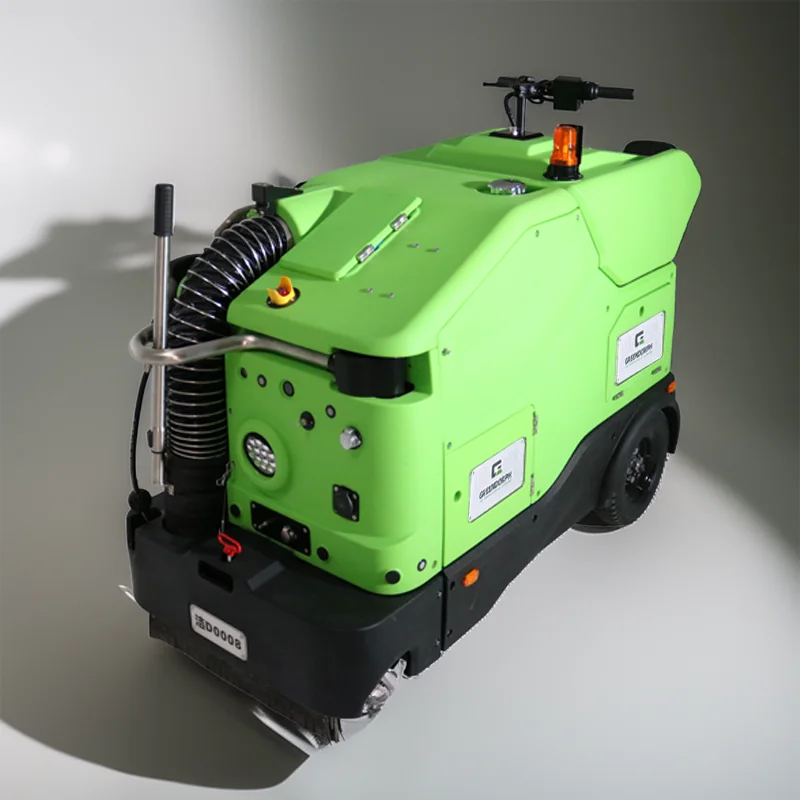
From sprawling airport terminals to bustling railway stations, transport hubs demand immaculate cleanliness around the clock. Yet the scale, complexity, and non-stop foot traffic in these environments make traditional manual cleaning methods increasingly unsustainable. At Greendorph, we have observed how the intelligent integration of autonomous equipment is redefining operational standards. In this article, we examine three critical applications where a floor cleaning robot delivers measurable improvements in efficiency, safety, and hygiene consistency.
High‑Traffic Area Management with Autonomous Precision
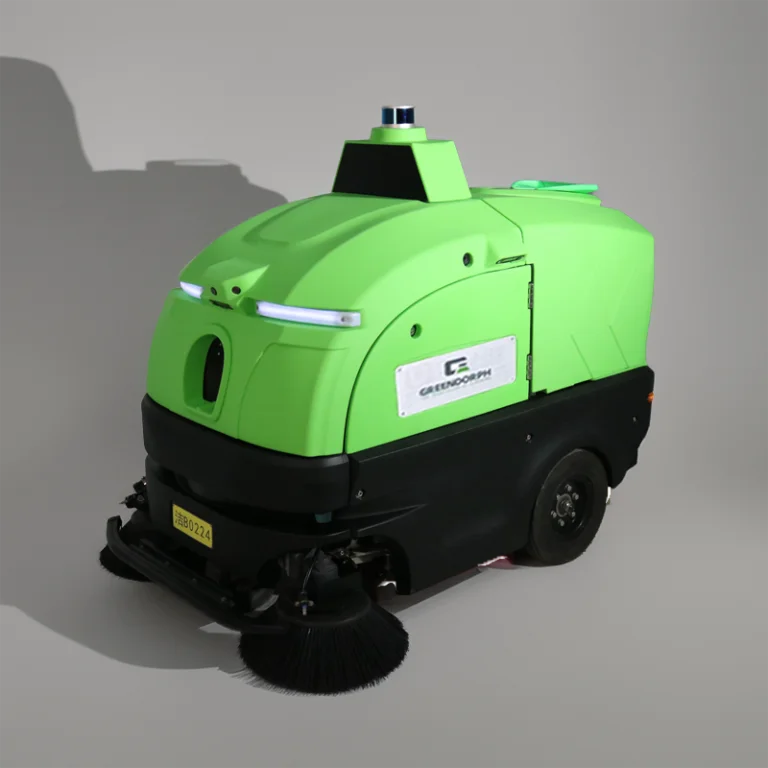
Transport hubs present one of the most demanding scenarios for any cleaning solution. Thousands of passengers move through concourses, waiting areas, and corridors daily, creating continuous wear and high-frequency soiling. A floor cleaning robot designed for such environments must operate safely alongside pedestrians while maintaining rigorous cleaning schedules. Our approach combines real-time sensor fusion with adaptive navigation algorithms, allowing the robot floor cleaner to detect obstacles, adjust speed in congested zones, and return to high-traffic spots for repeated passes without human intervention. This capability ensures that areas such as check-in queues and baggage claim zones remain consistently clean, even during peak hours. In practice, facilities using autonomous equipment report fewer slip hazards and more predictable cleanliness levels—outcomes that directly support both passenger satisfaction and operational safety metrics.
AI‑Powered Path Planning for Complex Layouts
Unlike rectangular office corridors, transport hubs feature irregular architectures: expansive atriums, narrow boarding bridges, multi-level connections, and ever‑changing temporary structures. Standard cleaning equipment often struggles with such spatial complexity. We engineered our floor cleaning robot to overcome this through AI‑driven mapping that learns facility layouts in high resolution. The system dynamically generates optimal routes, covering large surface areas while prioritizing zones with the highest dirt accumulation. Moreover, the robot floor cleaner can be integrated with a facility’s existing digital twin or building management system, enabling coordinated operations across multiple units. For instance, during low‑traffic overnight windows, the fleet can systematically clean entire terminals; during the day, individual units focus on targeted spill management or periodic maintenance. This layered strategy maximizes coverage without disrupting passenger flow, turning a traditionally labor‑intensive task into a precisely managed process.
Data‑Driven Hygiene and Operational Insights
A less visible but equally vital application lies in the data intelligence embedded within modern autonomous cleaning. Every cleaning cycle performed by our floor cleaning robot generates operational data: area covered, cleaning frequency, water and detergent usage, and even surface condition feedback through integrated sensors. For transport hub operators, this information transforms cleaning from a scheduled activity into a data‑driven function. Managers can verify that high‑touch zones receive the required attention, allocate resources more effectively, and generate audit‑ready reports for regulatory compliance. Additionally, because our robot floor cleaner is built on a cloud‑connected AI platform, software updates and performance optimizations are deployed continuously, ensuring that the equipment evolves alongside emerging hygiene standards. This scientific approach to facility management reduces waste, lowers carbon footprint, and provides verifiable evidence of service quality—essential factors for B2B partners operating under strict public‑facing contracts.
Transport hubs represent the ultimate test for any cleaning solution: they demand reliability at scale, seamless human‑machine coexistence, and verifiable outcomes. By deploying autonomous equipment that combines intelligent navigation with actionable data, operators can meet these demands while reallocating skilled staff to higher‑value tasks. At Greendorph, we have seen across our global deployments—spanning more than 300 projects—that the thoughtful application of a floor cleaning robot in these environments consistently delivers safer facilities, lower operational costs, and a superior passenger experience. As infrastructure continues to modernize, autonomous cleaning will move from an innovative option to an essential component of hub operations.