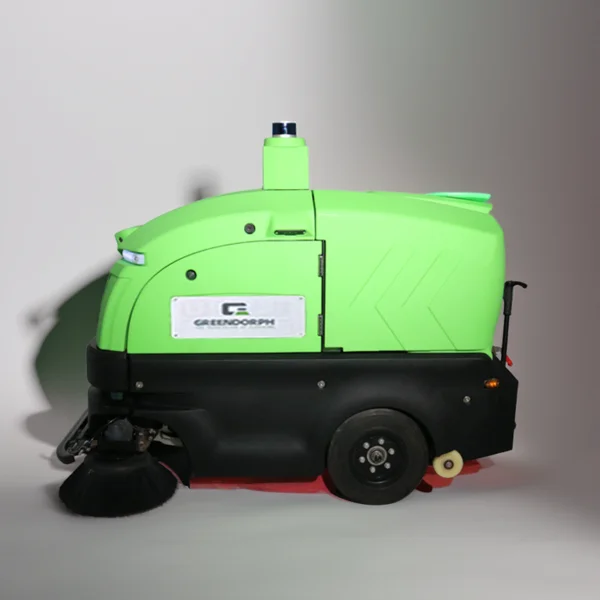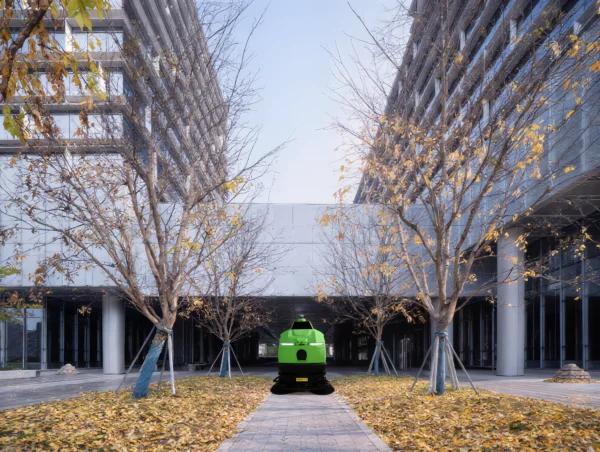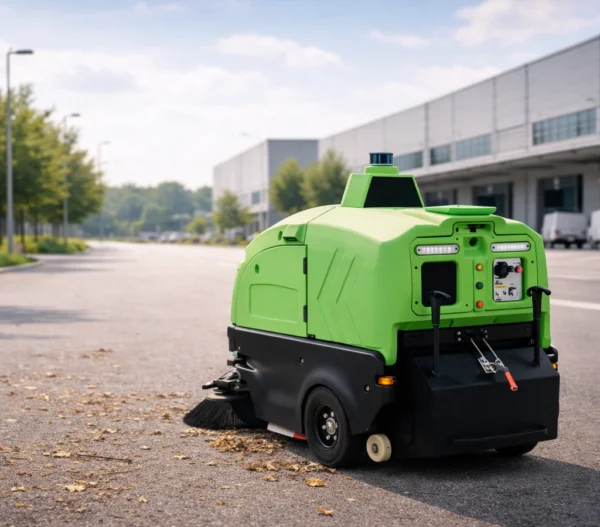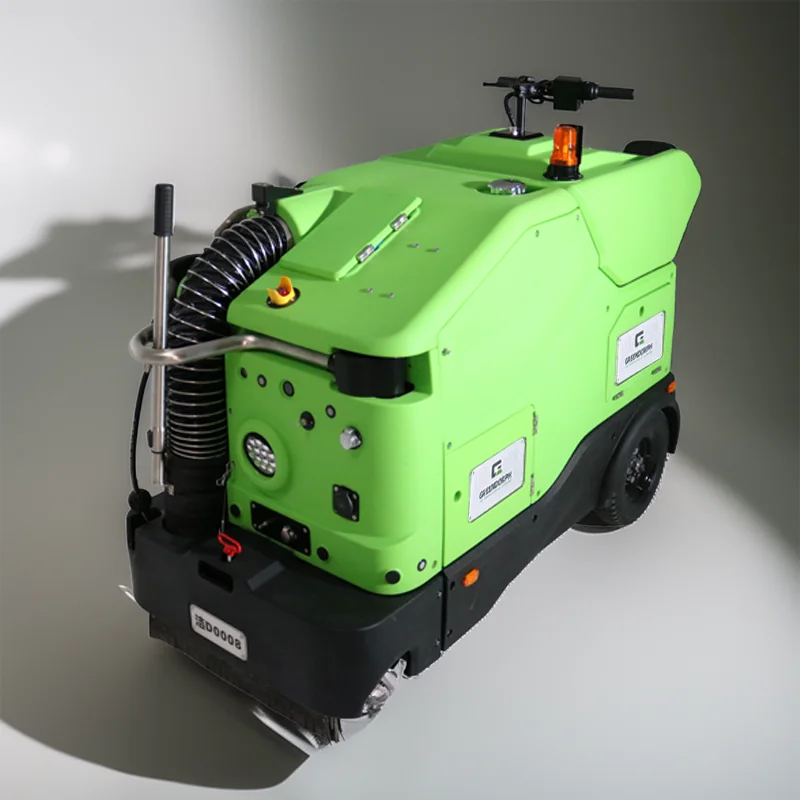
In large-scale logistics and manufacturing environments, cleaning equipment is often evaluated not only by performance but also by long-term cost efficiency. At Greendorph, we help businesses assess how cleaning investments influence operational budgets over time. A structured cost analysis provides clearer insight into whether warehouse sweeper solutions can support sustainable facility management without unnecessary expense escalation.
Initial Investment Considerations
When evaluating a warehouse sweeper, the upfront purchase price is usually the first factor decision-makers consider. However, this cost should be viewed in relation to facility size, cleaning frequency, and labor structure. A lower initial cost may appear attractive, but it often requires higher ongoing manpower involvement, which can shift expenses to other operational areas. For this reason, investment planning should focus on total lifecycle value rather than entry price alone.
Operating and Maintenance Costs
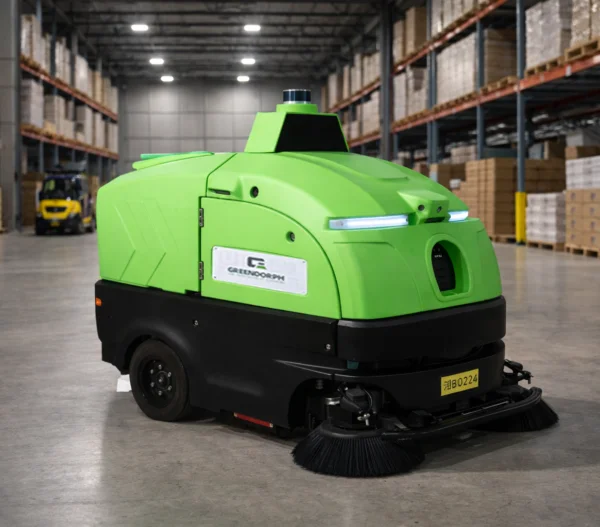
Beyond acquisition, daily operation and maintenance play a significant role in the total cost structure. Energy consumption, consumable parts, and service intervals all contribute to long-term expenditure planning. An industrial warehouse floor sweeper is typically designed with efficiency in mind, helping reduce repetitive manual cleaning cycles while maintaining consistent performance across extended usage hours. Maintenance scheduling is also an important consideration, as predictable service routines help avoid unexpected downtime and additional repair costs.
Labor Efficiency and Long-Term Savings
One of the most important cost factors in warehouse cleaning is labor allocation. Manual cleaning requires continuous staffing, especially in high-traffic environments where dust and debris accumulate quickly. By integrating warehouse sweeper solutions, facilities can reduce the number of labor hours dedicated to repetitive floor maintenance tasks. This shift allows personnel to focus on more value-driven responsibilities such as inventory handling, equipment coordination, and workflow optimization. Over time, this reallocation of labor contributes to more balanced operational spending.
Total Cost of Ownership Perspective
At Greendorph, we emphasize the importance of evaluating cleaning equipment through a total cost of ownership framework. This includes purchase price, maintenance frequency, labor impact, and operational efficiency. When these elements are combined, industrial warehouse floor sweeper solutions often demonstrate stronger long-term cost stability compared to purely manual approaches. The goal is not only to reduce expenses but also to create a predictable and manageable cleaning system that aligns with warehouse scale and activity levels.
Conclusion
A comprehensive cost analysis of industrial warehouse floor sweeper solutions highlights the importance of looking beyond initial investment figures. By considering labor efficiency, maintenance requirements, and long-term operational impact, businesses can make more informed decisions about their cleaning strategy. At Greendorph, we continue to support organizations in identifying practical and cost-conscious approaches to maintaining clean, safe, and efficient warehouse environments.