In the competitive landscape of warehousing, maintaining a clean and organized environment is crucial for operational efficiency and safety. With the rise of technology, businesses are faced with the decision of employing a warehouse floor sweeper or relying on manual labor for cleaning tasks. In this article, we will compare the productivity of warehouse sweepers, such as those offered by Greendorph, with traditional manual labor to determine the most effective solution for modern warehouses.
Efficiency and Speed
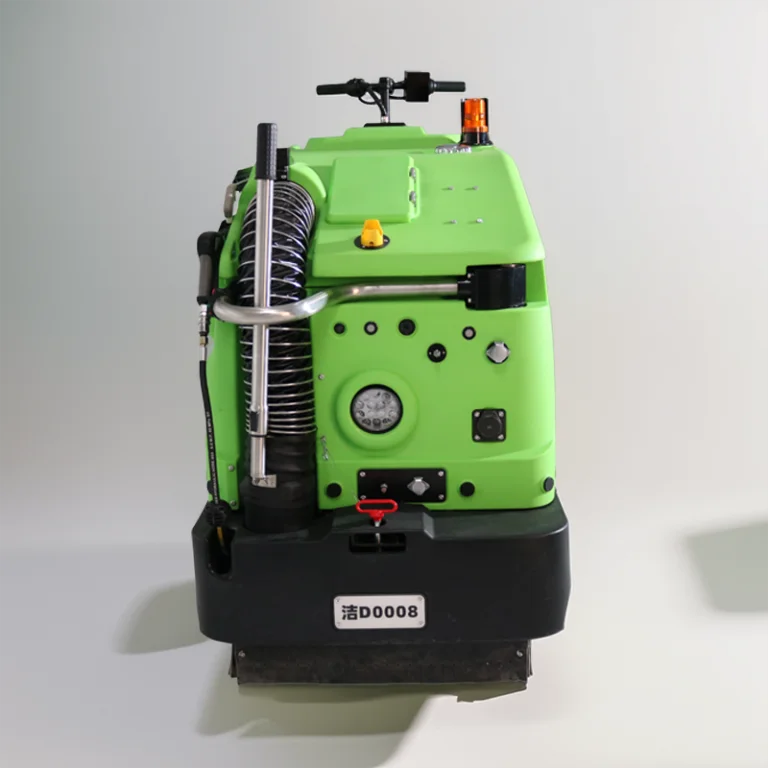
One of the most significant advantages of a warehouse floor sweeper is its efficiency and speed in cleaning large areas. For instance, the Omniclean Urban Vacuum YJ80 from Greendorph is designed to navigate tight spaces while maintaining high performance. With an impressive continuous runtime of 8 hours and the ability to clean without the noise and emissions typically associated with gas-powered machines, the YJ80 optimizes cleaning processes significantly.
In comparison, manual labor is often constrained by human limitations. While dedicated personnel can be effective, their speed and efficiency vary based on numerous factors, including fatigue and skill level. A warehouse sweeper can cover much more ground in less time, ensuring that cleaning is conducted promptly and effectively, a critical factor in busy warehouse environments.
Consistency and Quality
Another key point of comparison is the consistency and quality of cleaning achieved through a warehouse floor sweeper versus manual labor. Automated warehouse sweepers, such as those from Greendorph, are programmed to maintain uniformity in cleaning, ensuring that every corner and crevice is addressed thoroughly. The advanced features of the YJ80, including its powerful suction system, allow for effective debris and dust removal regardless of the surface type. This consistency is vital, as any overlooked areas can lead to safety concerns and operational inefficiencies.
In contrast, manual labor can lead to inconsistent results, as cleaning quality may fluctuate based on the employee’s attention to detail and physical endurance. This inconsistency can result in higher operational costs due to the necessity of repeated cleaning tasks or the potential for workplace accidents stemming from a lack of cleanliness.
Cost-Effectiveness and Long-Term Benefits
While the initial investment in a warehouse floor sweeper may seem significant, the long-term cost-effectiveness offers compelling advantages. Greendorph’s warehouse sweepers not only reduce the need for manual cleaning personnel but also lower ongoing labor costs, as they can operate continuously without breaks. The electric operation of models like the YJ80 generates zero CO2 emissions, promoting sustainability while further reducing operational costs over time.
Investing in a warehouse sweeper can also lead to fewer accidents and safety incidents, which directly impacts insurance costs and employee retention. Meanwhile, reliance on manual labor can increase costs due to turnover, training, and the possibility of work-related injuries.
Elevating Productivity Through Smart Solutions
In summary, while both warehouse floor sweepers and manual labor have their place in cleaning operations, the efficiency, consistency, and cost-effectiveness of a warehouse sweeper make it the superior choice for modern warehouses. Greendorph‘s innovative solutions, such as the Omniclean Urban Vacuum YJ80, empower businesses to enhance productivity and maintain high standards of cleanliness. By adopting automated cleaning technologies, companies can not only improve operational efficiency but also contribute to a safer and more sustainable work environment. Embracing these smart solutions positions businesses for success in an increasingly competitive marketplace.