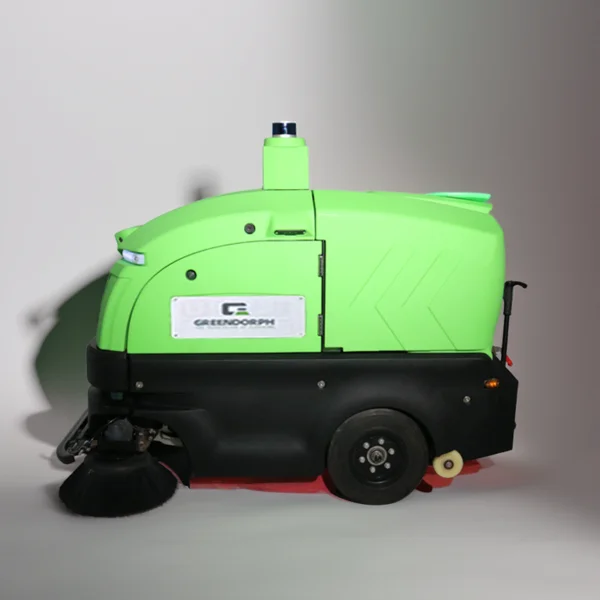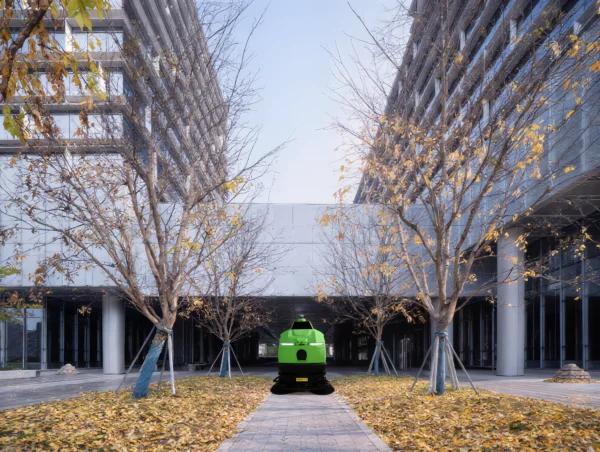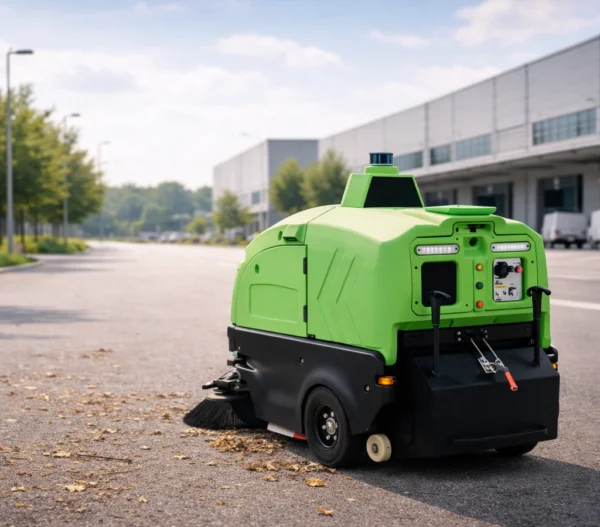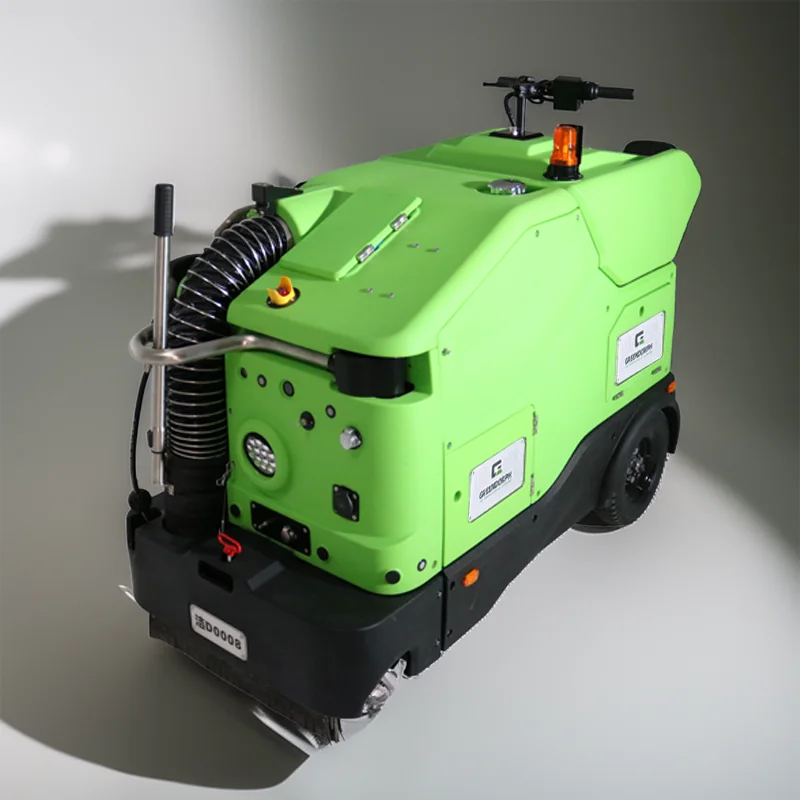
Efficiency in modern logistics is measured by more than throughput—it is defined by consistency, safety, and the seamless integration of every operational layer. Within the high-volume environments of warehouses and distribution centers, cleanliness often becomes the overlooked variable that silently influences productivity. Manual sweeping methods, while familiar, introduce unpredictability in both labor allocation and outcome quality. We have observed across hundreds of industrial deployments that the shift toward intelligent automation in floor maintenance yields measurable improvements not only in cleanliness but also in overall workflow stability. A well-designed warehouse floor sweeper equipped with autonomous capabilities addresses these challenges by converting a routine task into a predictable, data-driven operation.
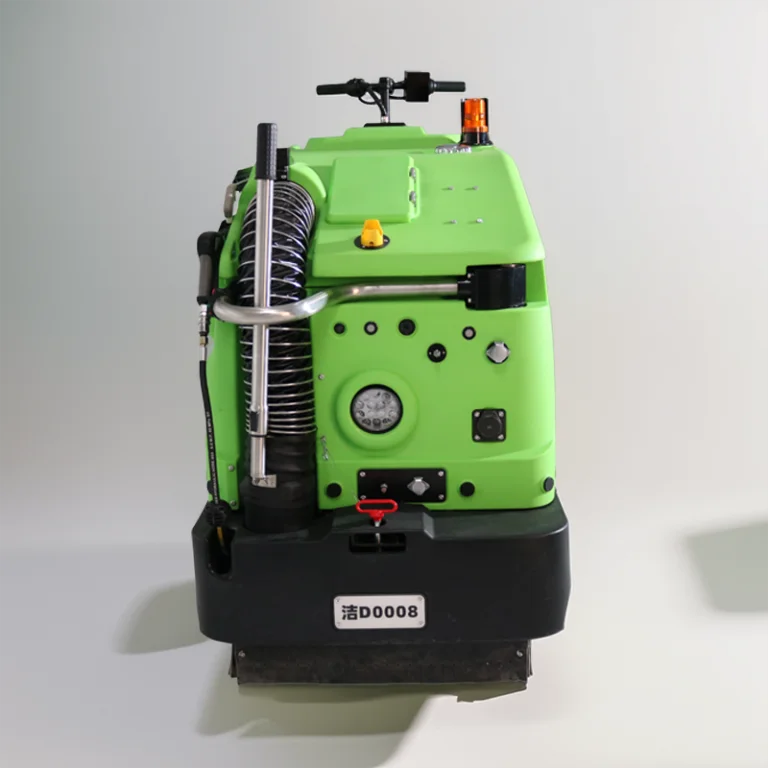
Reducing Operational Interruptions with an Automated Warehouse Sweeper
Warehouse environments operate on precise schedules. Loading docks, picking zones, and high-traffic aisles cannot be closed for extended periods without affecting throughput. Traditional cleaning methods often require cordoning off sections, redirecting forklift traffic, and coordinating around shift changes. This introduces friction into daily operations.
An intelligent warehouse sweeper eliminates these interruptions. By leveraging sensor-based navigation and real-time mapping, such equipment operates alongside personnel and material-handling vehicles without requiring dedicated time windows. In our work with large-scale logistics centers, we have seen that autonomous warehouse floor sweeper units can be scheduled during brief lulls—such as shift transitions or meal breaks—and execute complete cleaning cycles without human supervision. The result is a consistent level of floor cleanliness that reduces dust accumulation on inventory and minimizes slip hazards. More importantly, facility managers regain control over maintenance schedules rather than reacting to accumulating debris.
Enhancing Safety and Labor Efficiency in High-Traffic Zones
Safety remains the foremost concern in warehouse operations. Accumulated dust, spilled packaging materials, and fine particulates create risks ranging from reduced traction to compromised air quality. A warehouse floor sweeper operating autonomously contributes to safety in two critical ways: first, by maintaining surfaces consistently, and second, by removing personnel from potentially hazardous cleaning routes.
Manual sweeping in active warehouses often places workers in proximity to moving forklifts and conveyor systems. An intelligent warehouse floor sweeper reduces this exposure. The machines follow pre-defined routes with consistent speed and predictable stopping behavior, allowing other equipment operators to anticipate their movements. Furthermore, modern autonomous sweepers incorporate multi-layer safety systems—including LiDAR and wide-field cameras—that trigger immediate stops when unexpected obstacles appear. In our deployments across industrial sites, this combination has contributed to measurable reductions in near-miss incidents related to floor maintenance. Labor resources can then be redirected to higher-value tasks such as inventory accuracy or process improvement, shifting the role of warehouse staff from manual cleaning to supervisory oversight.
Data-Driven Maintenance and Long-Term Cost Control
The value of an intelligent warehouse floor sweeper extends beyond the physical act of cleaning. When integrated with a centralized management platform, these machines generate operational data that informs broader facility decisions. Parameters such as debris accumulation patterns, cleaning frequency per zone, and even battery consumption rates provide visibility that manual methods cannot offer.
We at Greendorph have observed that logistics operators using connected warehouse floor sweeper systems gain the ability to optimize cleaning routes based on actual usage intensity rather than fixed schedules. For example, zones near receiving docks may require two passes per shift, while low-traffic storage aisles need only one. This level of granularity reduces wear on equipment, extends component life, and lowers energy consumption. Additionally, predictive maintenance alerts—triggered by changes in motor current or filter pressure—prevent unexpected breakdowns that would otherwise disrupt cleaning routines. From a total-cost-of-ownership perspective, an intelligent warehouse floor sweeper shifts floor maintenance from a variable operational expense to a controlled, predictable investment.
In modern logistics, where margins tighten and expectations for throughput rise, the cleanliness of warehouse floors can no longer be treated as an afterthought. An intelligent warehouse floor sweeper transforms maintenance from a disruptive necessity into a strategic advantage—improving safety, preserving labor resources, and delivering actionable data for continuous improvement. The choice to automate this function reflects a broader commitment to operational precision. For facilities seeking to reduce variability and elevate consistency, the intelligent warehouse floor sweeper has become not merely a tool, but a critical component of the modern logistics infrastructure.