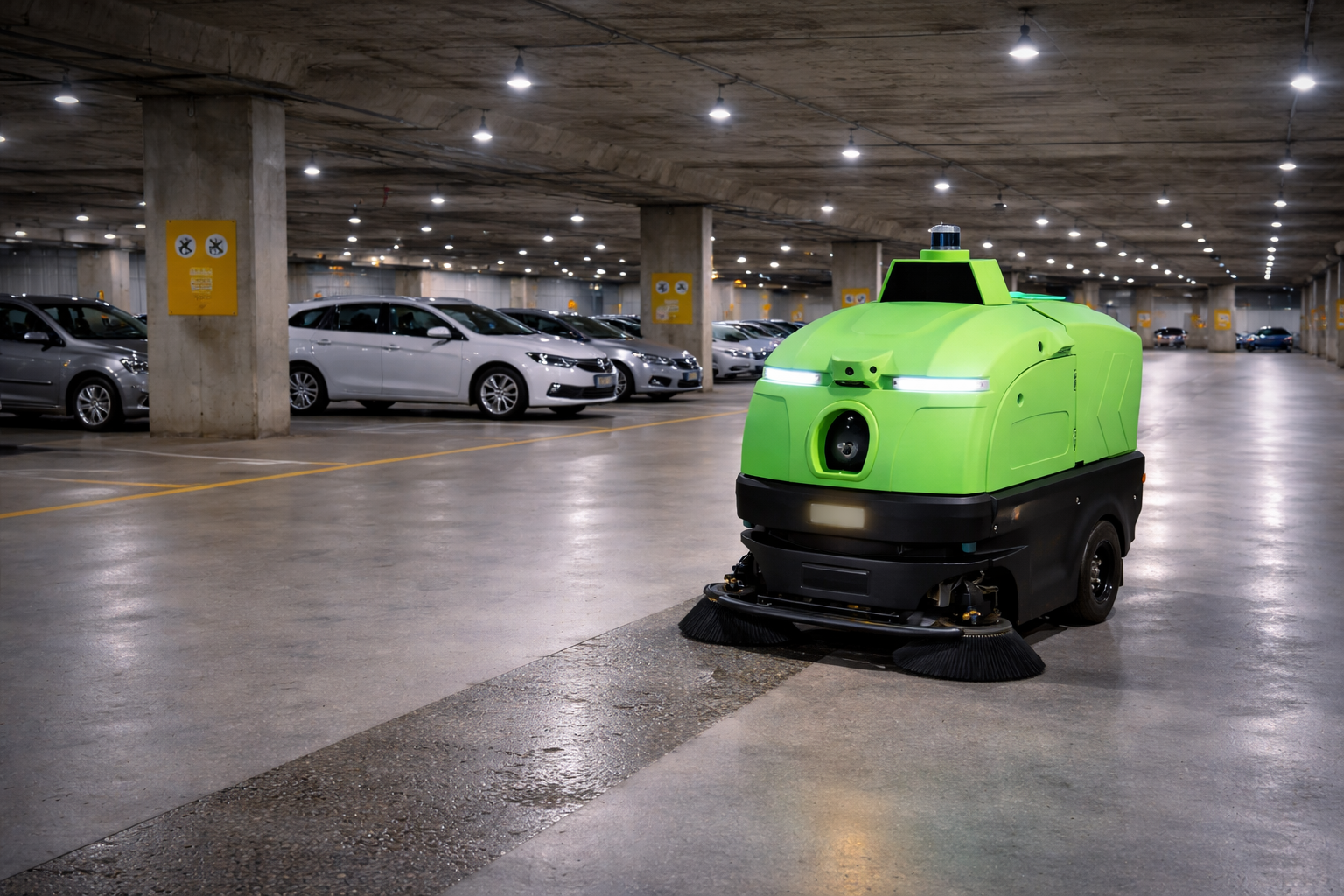
The evolution of urban sanitation has entered a new phase—one defined by autonomy, data intelligence, and measurable operational efficiency. We recognized early that traditional cleaning methods for large-scale outdoor environments were constrained by labor intensity, inconsistent results, and rising safety risks. Rather than simply building another machine, we at Greendorph focused on embedding artificial intelligence into the core of our hardware. This approach has redefined what organizations expect from a street sweeper in commercial, industrial, and municipal applications.
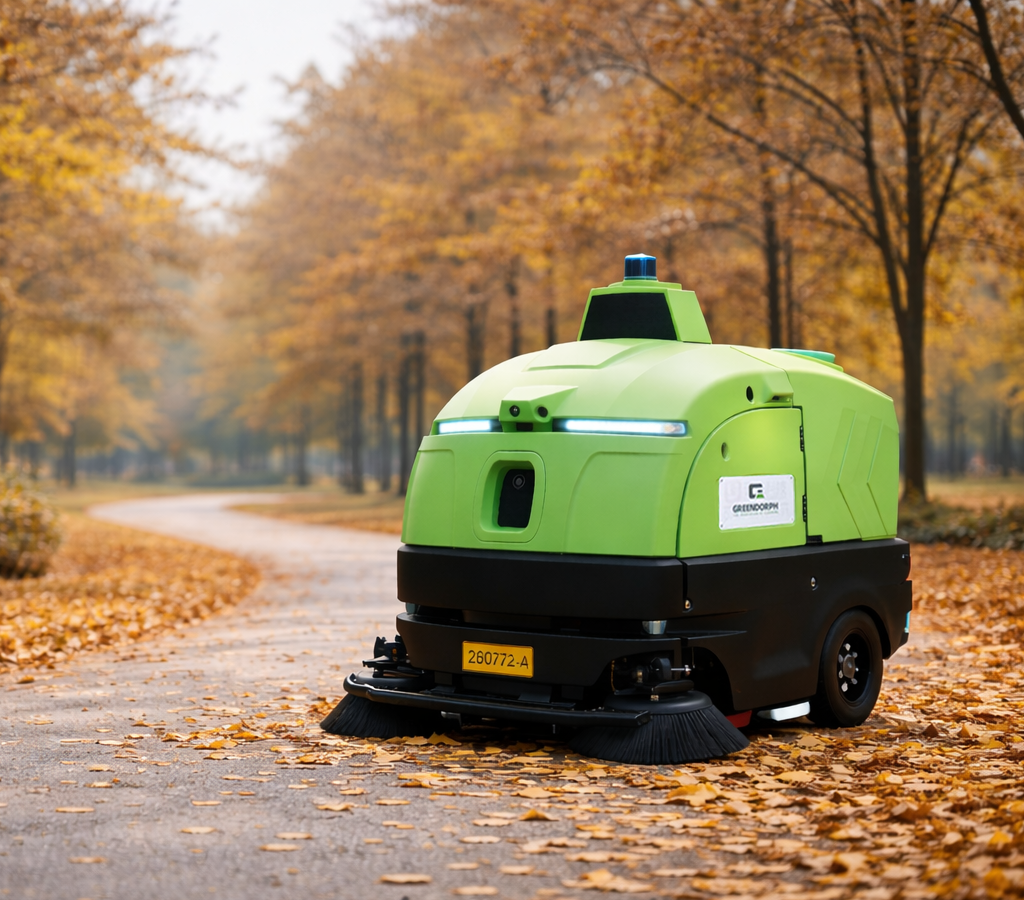
AI-Driven Autonomy Changes Operational Logic
A conventional street sweeper relies heavily on operator experience, which introduces variability in cleaning quality and route coverage. We replaced this variable with a closed-loop AI system that perceives, plans, and executes in real time. Our outdoor autonomous driving cleaning robot uses multi-sensor fusion—including LiDAR, high-precision GPS, and proprietary vision algorithms—to build dynamic environmental models. This allows the equipment to distinguish between debris types, avoid unexpected obstacles, and adjust suction or water flow based on surface conditions. The result is a street sweeper that delivers consistent cleaning performance across pedestrianised areas, car parks, and industrial parks without requiring continuous manual intervention. From a scientific perspective, this shifts the cleaning process from reactive to predictive, reducing energy waste and extending equipment lifespan through adaptive control logic.
Engineering Precision Across Diverse Scenarios
One challenge many street sweeper manufacturers face is designing equipment that performs reliably across varied environments—from narrow pavements to sprawling logistics hubs. Our product portfolio addresses this through modular architecture and scenario-specific configurations. For applications demanding full autonomy, we supply the outdoor autonomous driving cleaning robot, which operates independently for sweeping, vacuuming, and washing. For environments where occasional operator oversight is preferred, our SEMI-ride-on cleaning robot offers the same AI-assisted efficiency with flexible control modes. Both solutions integrate with our AI smart cloud platform, which aggregates real-time operational data, fleet status, and cleaning coverage maps. This platform enables facility managers to monitor multiple units across different sites, making street sweeper manufacturers no longer just equipment providers but partners in operational intelligence. With over 300 global deployments, we have validated that this hybrid approach—autonomous and semi-autonomous—delivers measurable reductions in labor costs and carbon emissions without compromising cleanliness standards.
Re-engineering Value Through Strategic Partnerships
The criteria for evaluating street sweeper manufacturers have expanded beyond mechanical durability. Today, organizations seek partners who can provide continuous software updates, integration with existing facility management systems, and long-term performance guarantees. We have structured our business model around strategic collaborations with industry leaders, ensuring that our AI capabilities evolve in step with emerging infrastructure needs. Every unit we deploy becomes a node in a larger data ecosystem, feeding back operational patterns that refine our algorithms. This closed-loop development process means that a street sweeper installed today improves over time through over-the-air updates. For clients managing large-scale areas—such as campuses, agricultural sites, or commercial complexes—this translates to a lower total cost of ownership and a sanitation infrastructure that scales without proportional increases in management overhead.
Shifting the standard in commercial cleaning requires more than technical specifications; it demands a fundamental rethinking of how machines interact with complex outdoor environments. By embedding AI deeply into both autonomous and semi-ride-on platforms, we have created solutions that deliver repeatable, data-validated results across thousands of real-world applications. For organizations evaluating street sweeper manufacturers, the distinction lies in whether the equipment serves as a standalone tool or as part of an intelligent, adaptive system. Our focus remains on the latter—building technology that learns, adapts, and continuously raises the efficiency baseline for outdoor cleaning.