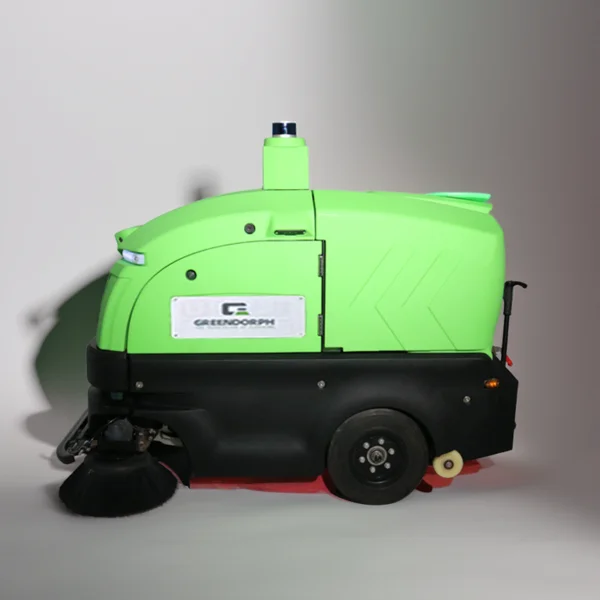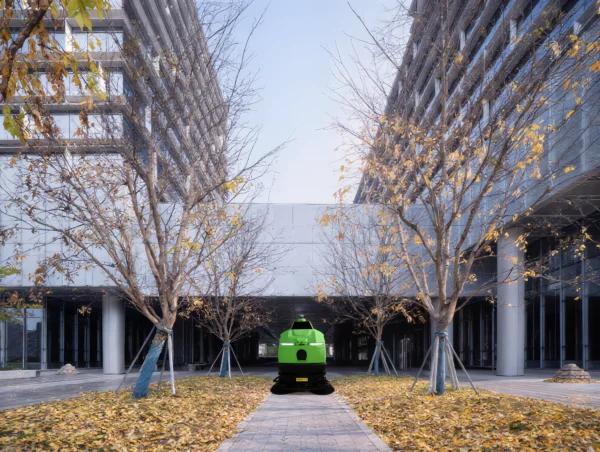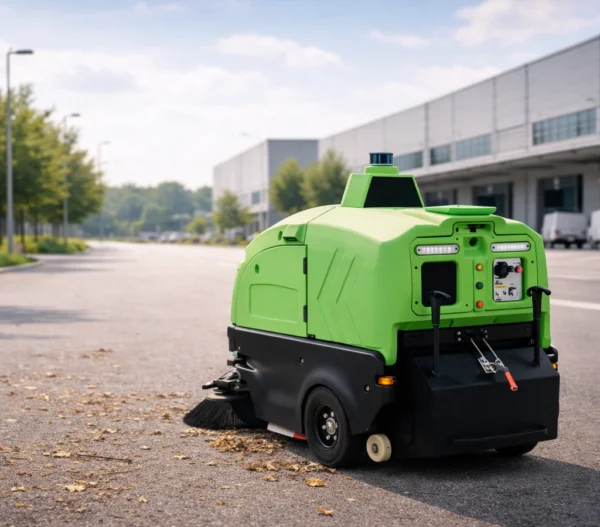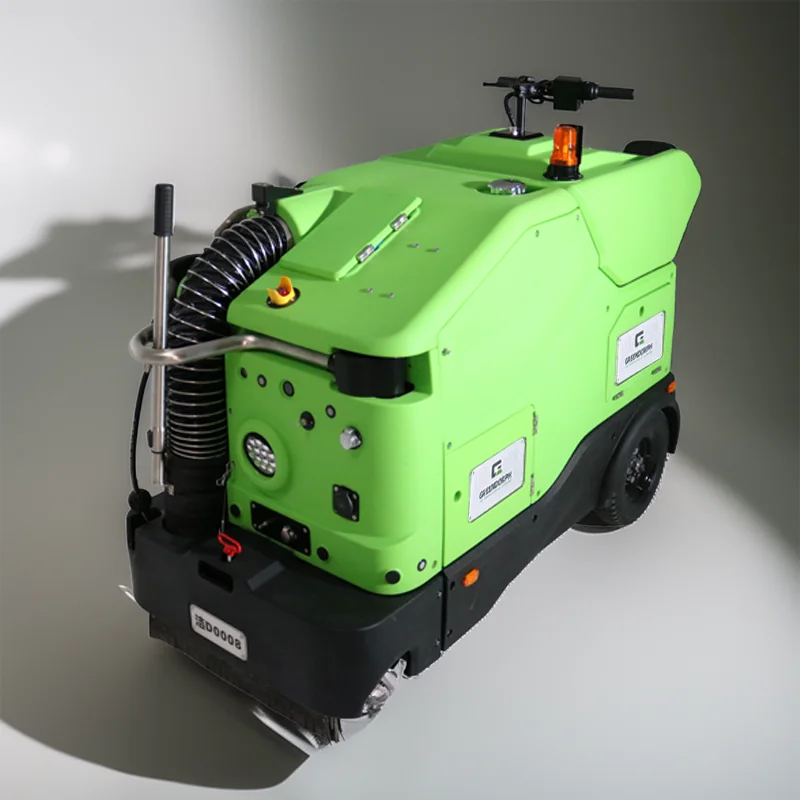
Warehouse operators managing facilities over 500,000 square feet face a constant tension between throughput and cleanliness. Dust accumulation from forklift traffic, pallet debris, and packaging residue directly impacts air quality, equipment longevity, and workplace safety. In our work across logistics centers worldwide, we have observed a clear pattern: operations that scale efficiently treat floor cleaning as a process engineering challenge rather than a reactive chore. The adoption of high‑capacity industrial floor sweepers has become a defining characteristic of facilities that maintain high availability targets while controlling total cost of ownership.
Throughput Demands and Cleaning Efficiency
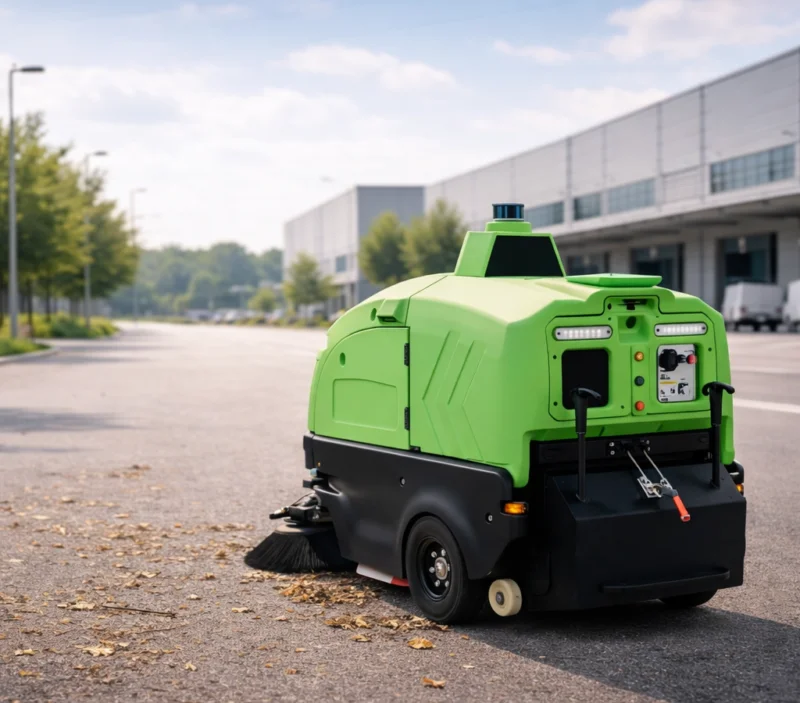
In large‑scale warehouses, every minute of operational downtime carries measurable cost. Traditional walk‑behind or small‑capacity sweepers require frequent trips to dumping stations and extended cleaning windows, often forcing facilities to pause workflows or run overnight shifts. High‑capacity industrial floor sweepers address this by combining larger hopper volumes with sustained battery runtime, allowing continuous cleaning across multi‑shift operations. A single high‑capacity industrial cleaning machine can cover upwards of 150,000 square feet per hour, reducing the number of units needed and minimizing traffic conflicts. We have seen distribution centers reduce cleaning‑related downtime by nearly 60% after transitioning to high‑capacity industrial floor sweepers, with route planning integrated directly into warehouse management systems. This shift transforms floor cleaning from a scheduled interruption into a parallel process that runs alongside material movement.
Dust Control and Product Integrity
Beyond raw speed, the engineering of dust containment plays a critical role in warehouse environments where sensitive goods—from packaged food to electronic components—are stored. Particulate matter generated by concrete abrasion and cardboard particles can settle on inventory, affecting product quality and increasing customer returns. Advanced industrial cleaning machine designs incorporate multi‑stage filtration systems with cyclone separators and high‑efficiency particulate air (HEPA) filters, achieving capture rates above 99.9% for particles down to 0.3 microns. In our deployments, warehouses that standardize on industrial floor sweepers with sealed filter compartments and automated filter‑shaking mechanisms report 40% lower airborne particulate levels during peak operational hours. This level of dust control is particularly critical in facilities handling pharmaceuticals or electronics, where contamination thresholds are strictly regulated.
Energy Cost Optimization and Fleet Scalability
The economic case for high‑capacity industrial floor sweepers extends to energy and maintenance. Lithium‑ion battery systems in modern industrial cleaning machine platforms enable opportunity charging during breaks without battery memory effects, maintaining full shift availability without dedicated battery swapping rooms. For warehouse networks operating across multiple sites, standardizing on a single high‑capacity sweeper platform simplifies spare parts inventory, technician training, and warranty management. We at Greendorph have worked with third‑party logistics providers who reduced their cleaning equipment fleet size by 35% while improving coverage consistency, simply by consolidating around higher‑capacity industrial floor sweepers that matched their facility footprints. The result is a scalable model: as warehouse square footage grows, additional sweepers scale linearly with throughput rather than requiring exponential increases in cleaning labor or support infrastructure.
For warehouse operations where margins depend on efficient space utilization and uninterrupted workflows, high‑capacity industrial floor sweepers represent a foundational investment. They shift floor maintenance from a cost center to a predictable, high‑performance system that supports safety, product integrity, and operational scalability. As facilities continue to expand and automation densifies warehouse layouts, the role of purpose‑built industrial cleaning machine platforms will only grow more central to maintaining the clean, reliable environments that modern supply chains demand.