Operating a sidewalk street sweeper is crucial for maintaining clean and safe public spaces. For businesses in the sector, adhering to essential operational standards ensures the effectiveness of street cleaning efforts while enhancing the overall environment for residents and visitors. This article outlines key standards that should be followed when operating sidewalk street sweepers, with insights from Greendorph, a leader in innovative cleaning solutions.
Understanding the Equipment
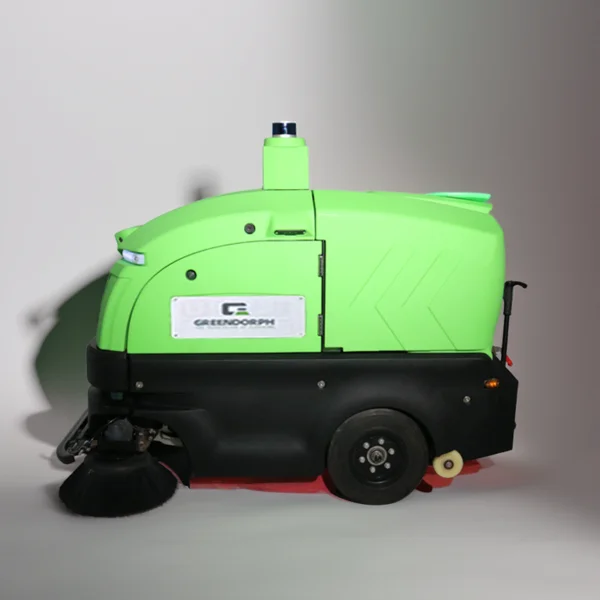
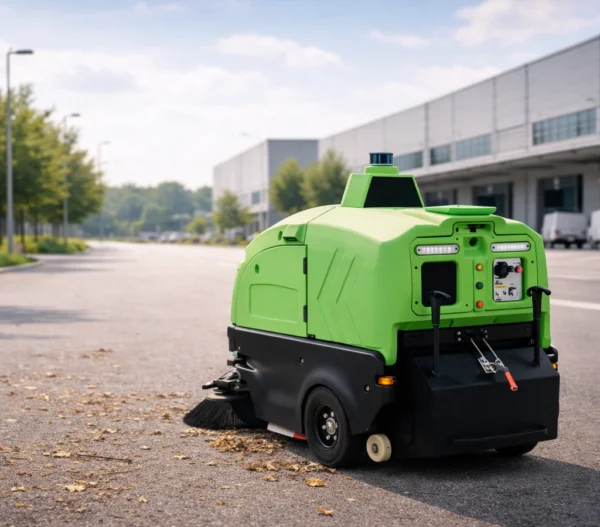
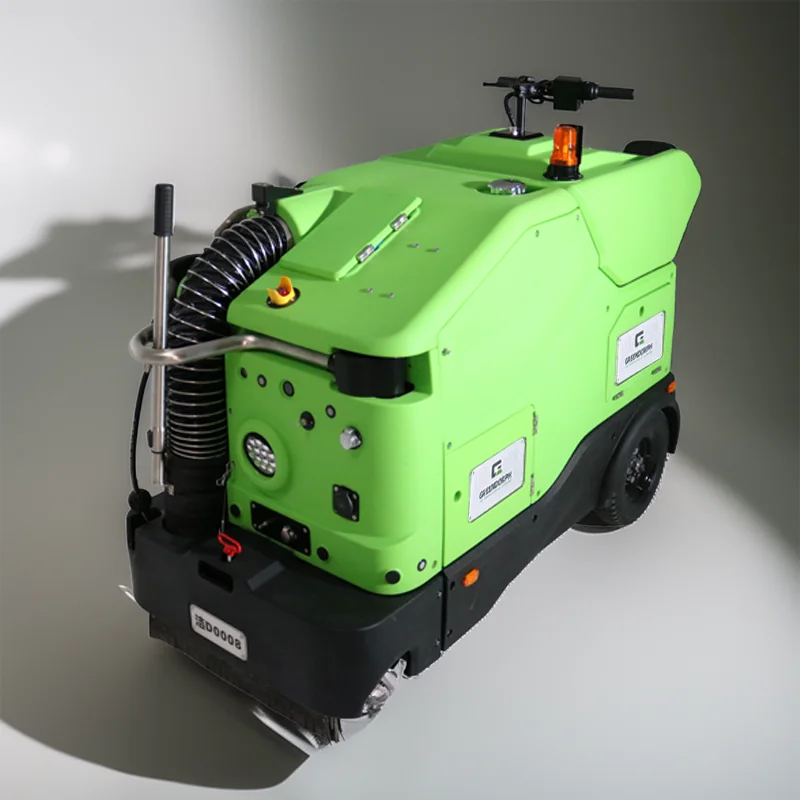
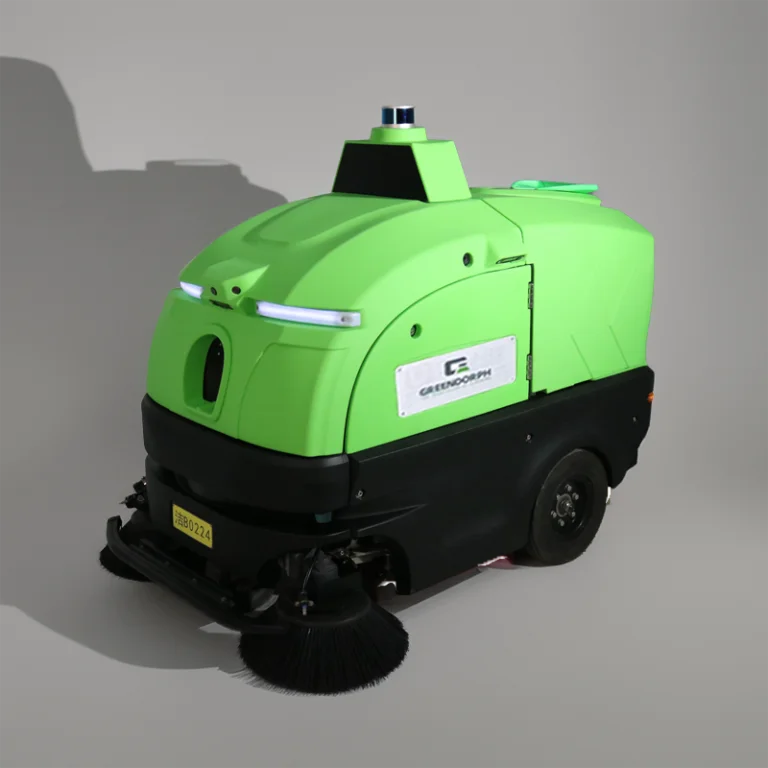
Before deploying a sidewalk street sweeper, it is essential to have a comprehensive understanding of the equipment. Familiarization with the specific features of the machine, such as Greendorph’s models, can improve efficiency and effectiveness during operation. Operators should be trained to recognize the various controls and functions, from adjusting settings for different cleaning tasks to monitoring performance indicators. This knowledge is vital for maximizing the street sweeper’s capabilities, allowing it to tackle everything from leaves and debris to fine dust.
Moreover, regular inspections before operation are necessary to ensure that the machine is functioning optimally. Check components such as brushes, suction systems, and water tanks. Ensuring equipment is in good condition prevents downtime and enhances the efficiency of cleaning operations.
Safety Protocols for Operators
Safety is paramount when operating a sidewalk street sweeper. Establishing and following safety protocols protects not only the machine operators but also pedestrians and other individuals in the vicinity. Operators should wear appropriate personal protective equipment (PPE), including high-visibility clothing, gloves, and safety glasses, to ensure their safety while operating the equipment.
It is crucial to maintain awareness of the surrounding environment. Operators should observe pedestrians and other vehicles, particularly during peak hours when foot traffic is high. Developing a communication system within the crew can help prioritize safety and ensure efficient operations. Ensuring that operators are trained in emergency procedures also adds another layer of protection and preparedness.
Routine Maintenance and Cleaning
Regular maintenance of sidewalk street sweepers is necessary to prolong their lifespan and ensure optimal performance. Establish a routine maintenance schedule that includes tasks such as cleaning filters, checking fluid levels, and inspecting brushes for wear. Greendorph’s sidewalk street sweepers are designed for easy maintenance, helping teams save time and reduce operational strain.
Additionally, operators should be encouraged to maintain cleanliness of the machine itself after use. Cleaning the sweeper will help prevent build-ups that can affect performance and lead to additional repairs over time. Ensuring the equipment is well-maintained not only extends its operational lifespan but also contributes to cleaner public spaces, enhancing the overall effectiveness of street cleaning efforts.
Maintaining High Standards for a Cleaner Environment
In summary, adhering to essential standards for operating a sidewalk street sweeper is vital for effective street maintenance. Operators should be knowledgeable about their equipment, prioritize safety protocols, and commit to routine maintenance. Greendorph’s innovative designs support these standards, significantly improving operational efficiency and helping teams maintain cleaner, safer spaces for everyone.
By embracing these essential operational standards, businesses can ensure that their sidewalk street sweepers function effectively and contribute positively to public cleanliness and safety. This commitment not only enhances community satisfaction but also promotes the overall value of well-maintained public areas.