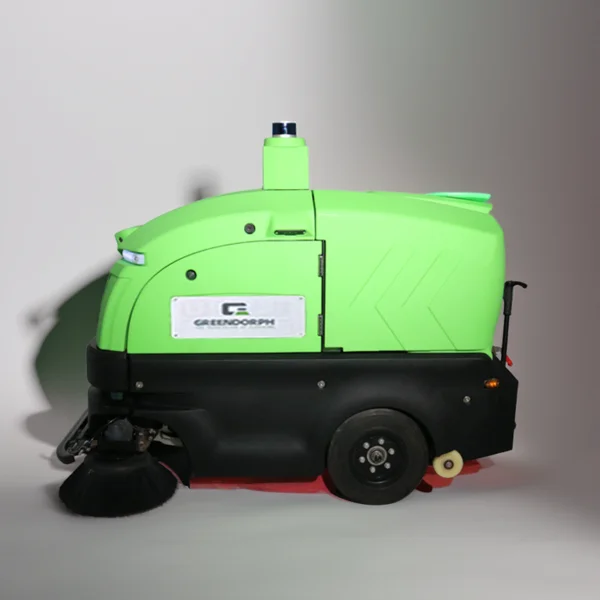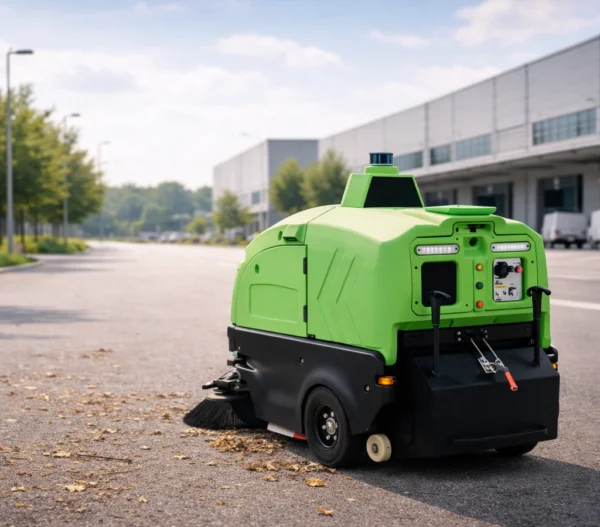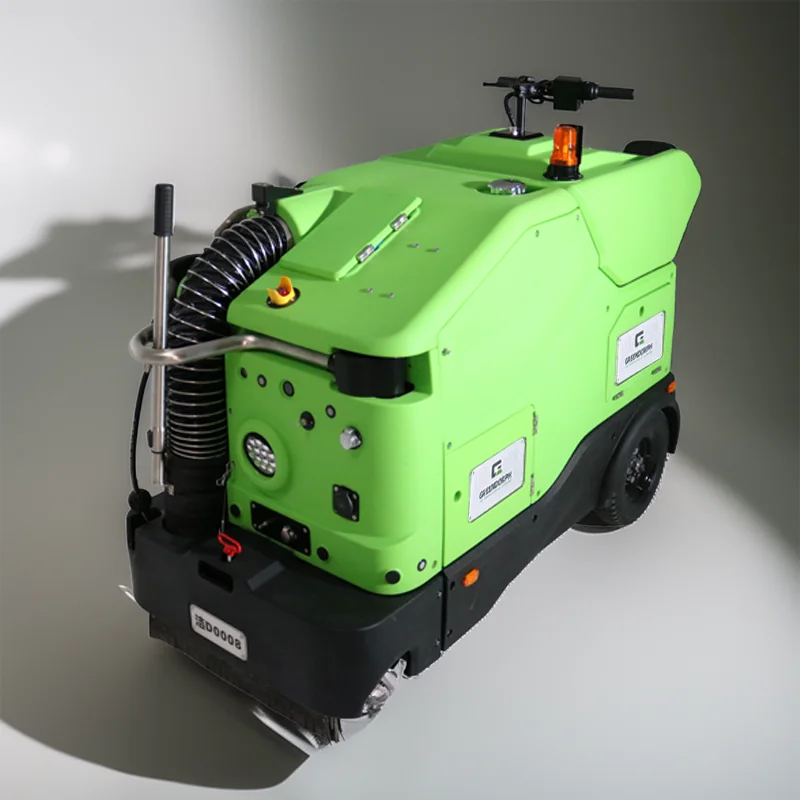
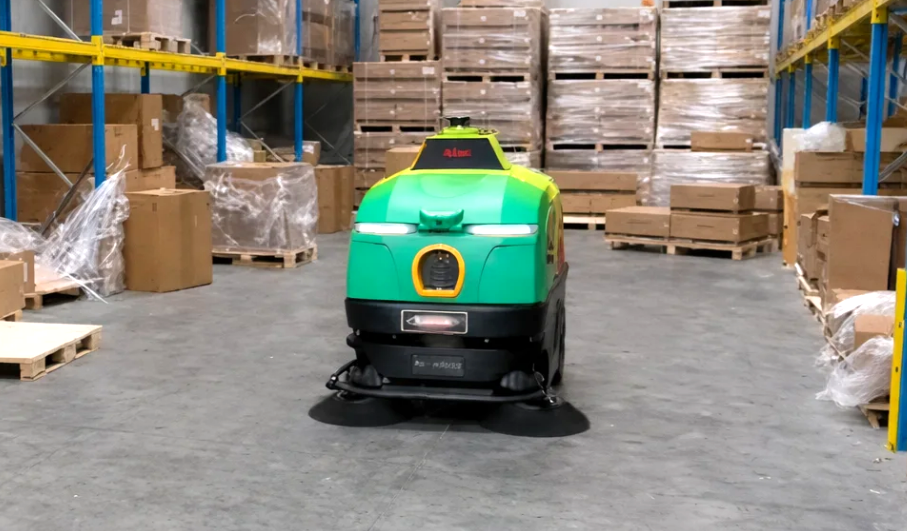
In today’s industrial landscape, maintaining a clean and safe working environment is paramount, especially in warehouses that experience high traffic and potential exposure to various contaminants. Using a warehouse vacuum sweeper equipped with HEPA (High-Efficiency Particulate Air) filtration is essential for achieving a high standard of cleanliness. This article will explore the significance of HEPA standards in warehouse sweepers and how Greendorph’s solutions exemplify these standards.
Understanding HEPA Standards
HEPA standards are designed to ensure that filters effectively capture a high percentage of airborne particles. Specifically, a true HEPA filter must remove at least 99.97% of particles that are 0.3 microns in diameter. This includes dust, pollen, mold spores, and other fine particles commonly found in warehouses. By using a warehouse vacuum sweeper equipped with HEPA filtration, businesses can significantly improve air quality, thereby promoting health and safety for employees.
Investing in a warehouse vacuum sweeper that meets HEPA standards is not merely a compliance measure; it is crucial for preserving the well-being of the workforce. Employees working in clean environments experience fewer respiratory issues and allergies, translating into better productivity and reduced absenteeism. Thus, understanding and implementing HEPA standards in cleaning operations is a cornerstone of effective warehouse management.
Benefits of Using a Warehouse Vacuum Sweeper with HEPA Filtration
Utilizing a warehouse vacuum sweeper equipped with HEPA filtration offers several benefits. First and foremost, these sweepers provide superior dust and allergen control. In a high-traffic warehouse setting, airborne particulates can accumulate quickly, posing a risk to both employee health and product integrity. By effectively capturing these particles, HEPA-standard vacuum sweepers enhance the overall cleanliness of the workspace.
Another significant advantage is the enhanced equipment performance. Greendorph’s warehouse vacuum sweepers are specifically designed for high-traffic environments, featuring advanced filtration systems that promote efficient coverage. The reliable navigation and consistent cleaning results not only meet health standards but also improve logistical efficiency. When the workspace is free from dust and debris, employees can operate machinery and handle materials more safely and efficiently.
Regular Maintenance and Compliance
To ensure the ongoing effectiveness of warehouse vacuum sweepers equipped with HEPA filters, regular maintenance is essential. Filters should be checked and replaced according to the manufacturer’s recommendations to maintain their efficiency. Neglecting filter maintenance can lead to reduced airflow, increased energy consumption, and diminished cleaning performance.
Greendorph recommends implementing a maintenance schedule for your warehouse vacuum sweeper that includes routine inspections and timely filter replacements. Additionally, training staff on the importance of maintaining HEPA standards will enhance compliance and encourage a proactive approach to workplace cleanliness. By investing in routine upkeep, businesses ensure that their cleaning equipment performs optimally, adhering to the high standards required for effective warehouse operations.
Promoting Clean and Safe Warehouse Environments
In summary, understanding HEPA standards and their application in warehouse vacuum sweepers is essential for businesses looking to maintain a clean and safe working environment. HEPA filtration significantly improves air quality, providing numerous health benefits for employees while enhancing overall operational efficiency.
Greendorph’s commitment to quality ensures that our warehouse vacuum sweepers meet and exceed these standards, providing effective cleaning solutions tailored for high-traffic environments. By investing in equipment that adheres to HEPA guidelines, businesses position themselves not only as compliant but also as leaders in promoting health and safety in the workplace. Embracing these standards will ultimately contribute to a cleaner, safer, and more productive warehouse environment.