The evolution of street vacuum cleaner technology has significantly transformed urban maintenance, making cities cleaner and more livable. As cities grow, so does the need for effective cleaning solutions that can efficiently manage debris and waste in public spaces. This article explores the history of street vacuum cleaners, highlighting key developments in technology and design, with a focus on innovations from Greendorph.
The Early Days of Street Cleaning
The concept of street cleaning dates back to ancient civilizations, where manual labor was the primary method for maintaining cleanliness. Early urban areas relied on workers with brooms and carts to remove debris from streets. However, as cities began to expand and traffic increased, the limitations of these methods became evident.
The Industrial Revolution marked a turning point in street cleaning technology. In the late 19th century, mechanical street sweepers were introduced. These machines were typically horse-drawn and utilized brushes and simple suction mechanisms, laying the groundwork for modern street vacuum cleaners. Although rudimentary by today’s standards, these early devices greatly increased efficiency compared to manual methods.
The Arrival of Motorized Sweepers
As technology progressed into the 20th century, the introduction of motorized vehicles revolutionized street cleaning. These motorized street vacuum cleaners combined the function of sweeping and suction, allowing operators to manage larger areas effectively. The first gasoline-powered street vacuum cleaners appeared in the 1920s, significantly increasing speed and efficiency in cleaning operations.
By mid-century, the street vacuum underwent vital advancements. The integration of powerful engines, advanced filtration systems, and improved maneuverability set the stage for the modern street vacuum cleaner. This era also saw the emergence of specialized urban cleaning teams that employed these machines to maintain public spaces and enhance urban livability.
Innovations in Street Vacuum Technology
The late 20th and early 21st centuries brought significant innovations in street vacuum technology. The focus shifted towards creating more efficient, user-friendly, and environmentally friendly machines. Electric-powered street vacuum cleaners began to emerge, reducing reliance on fossil fuels while addressing air quality concerns.
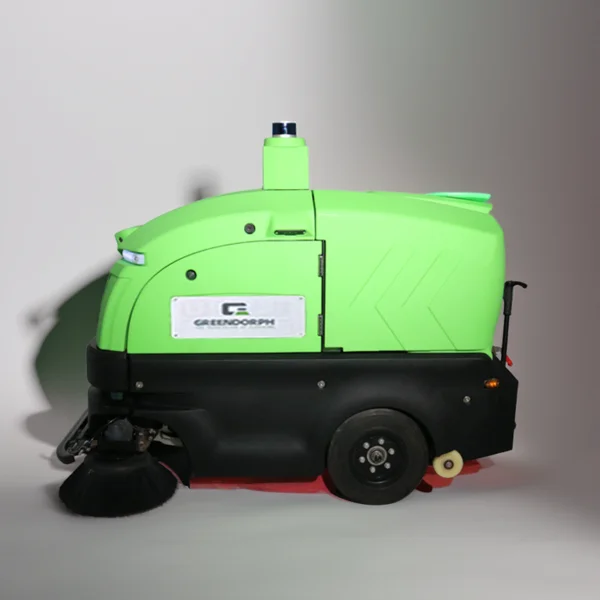
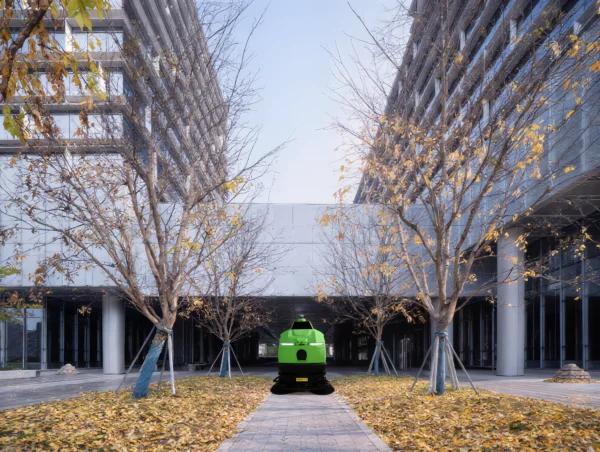
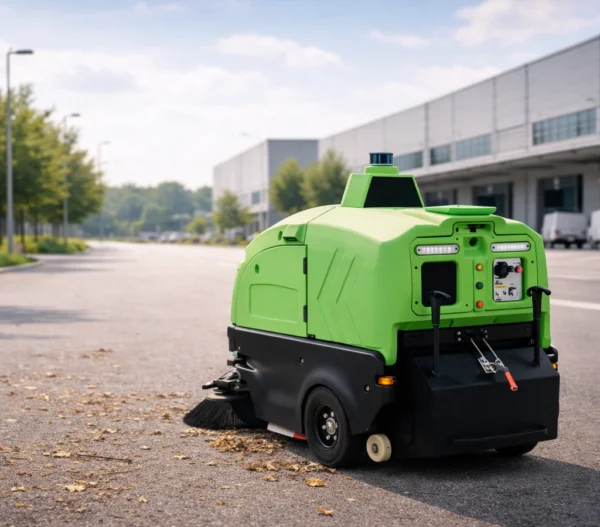
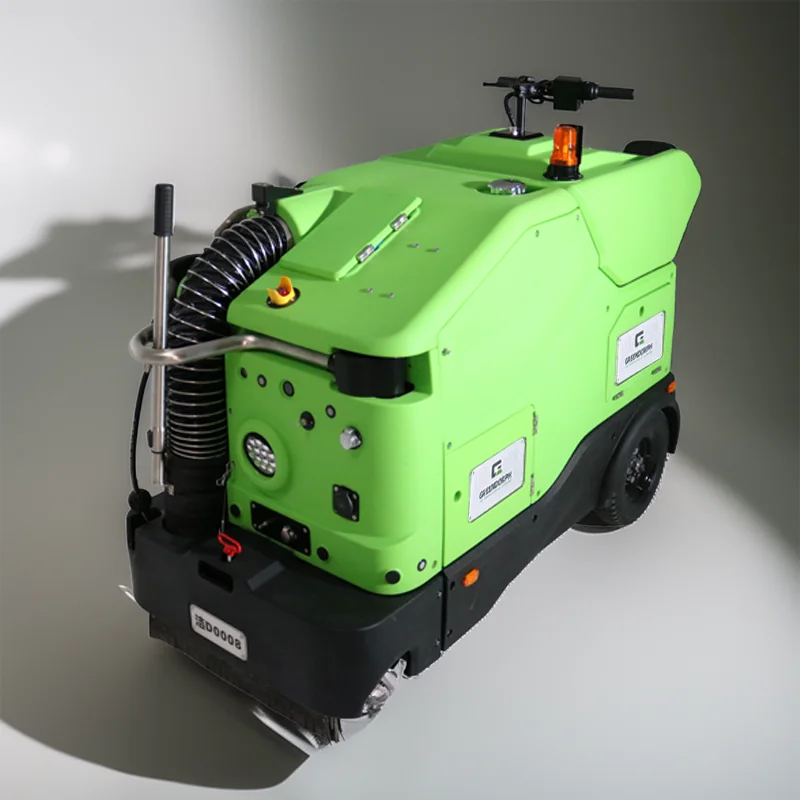
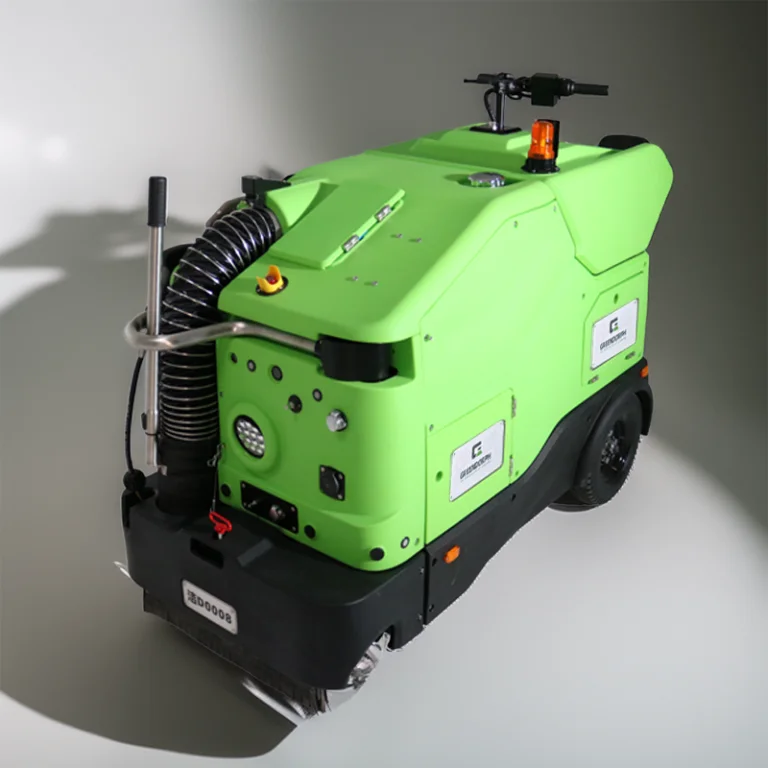
Greendorph’s Omniclean Urban Street Vacuum YJ80 represents the latest advancements in this space. Featuring a powerful negative-pressure suction system, it consolidates multiple functions—such as high-pressure surface flushing, water-spray cleaning, and intelligent dust-suppression misting—into one machine. This multi-functionality not only simplifies maintenance workflows but also enhances the hygiene of urban public spaces.
The YJ80 operates with zero CO2 emissions and offers an operating runtime of 8 hours, making it ideal for continuous street cleaning with minimal operator fatigue. Such innovations are vital as cities move towards sustainability and aim to improve urban living conditions.
Advancing Towards a Cleaner Future
In summary, the evolution of street vacuum cleaner technology has progressed from manual methods to sophisticated machines capable of meeting the needs of modern urban areas. The journey from horse-drawn sweepers to electric-powered models has introduced efficiency, practicality, and sustainability to street maintenance.
As cities grow and urban challenges increase, investing in advanced street vacuum technology, such as Greendorph‘s Omniclean YJ80, will be essential for maintaining clean and safe public spaces. Embracing these innovations not only enhances operational efficiency but also plays a critical role in fostering healthier environments for all urban residents. The future of street cleaning lies in continued advancements that prioritize cleanliness, efficiency, and environmental responsibility.