As industries continue to evolve, the demand for efficient cleaning solutions is on the rise, especially in large facilities where cleanliness is vital for safety and operational efficiency. Autonomous industrial cleaning robots are at the forefront of this revolution, combining cutting-edge AI technology with advanced design to enhance cleaning processes. This article will explore the essential features and technologies of autonomous industrial cleaning robots, specifically focusing on insights from Greendorph’s innovative solutions.
Understanding the Technology Behind Autonomous Robots
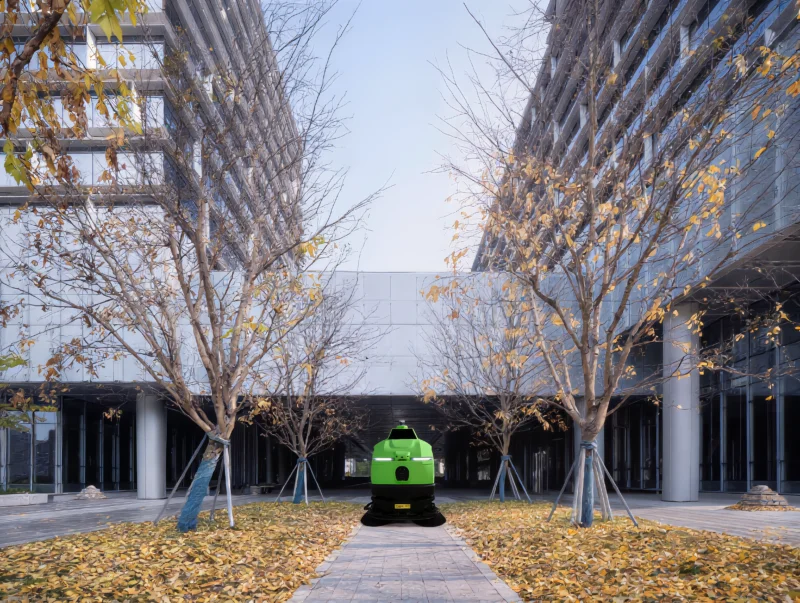
Autonomous industrial cleaning robots operate by utilizing sophisticated AI technologies that enable them to navigate and clean large areas without human intervention. These robots are equipped with advanced sensors, cameras, and mapping technologies, allowing them to create a detailed understanding of their environment.
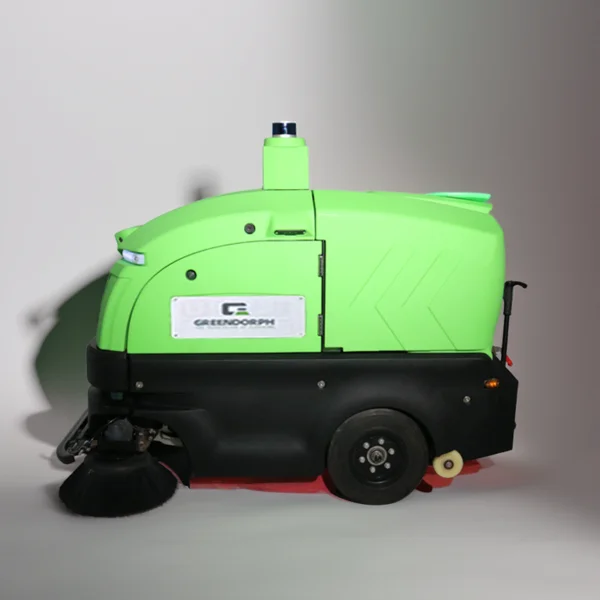
The autonomous industrial cleaning robot, like Greendorph’s YJ130, employs real-time data processing to make decisions on the cleaning route and adapt dynamically to obstacles. This results in efficient cleaning workflows, as the robot can quickly reroute itself around obstacles and identify areas that require additional attention, ensuring that no space is overlooked.
Key Features of the YJ130
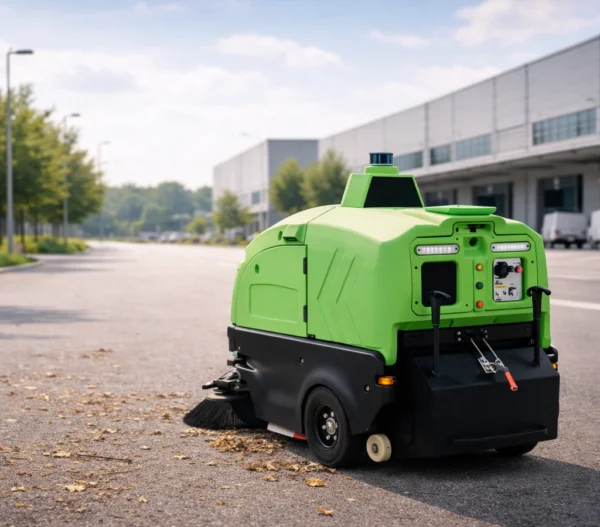
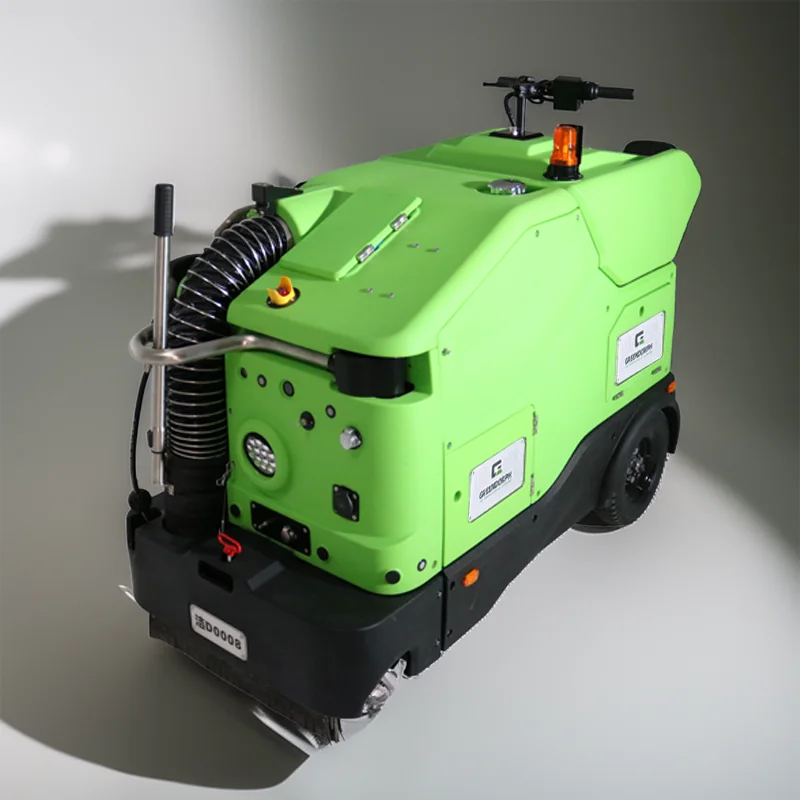
The YJ130 stands out in the realm of industrial cleaning machines due to its unique capabilities designed for heavy-duty environments. One particularly notable feature is its advanced dust collection system, which is enhanced by active water misting technology. This design ensures that dust is captured at the source, preventing secondary airborne contamination—a critical concern in settings where silica and other fine particles are present.
Additionally, the YJ130 is equipped with a reinforced intake system designed to handle tough debris, including 50mm stones and shards. This feature not only protects the integrity of the sweeper but also preserves the condition of the facility’s flooring and equipment, such as forklift tires. Such robustness is essential for maintaining safe operations in industrial settings.
Adapting to Diverse Environments
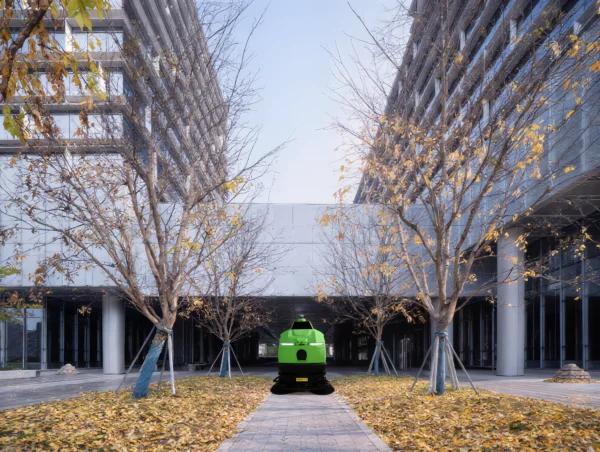
Another significant advantage of autonomous industrial cleaning robots is their ability to operate effectively across various environments. The YJ130’s powertrain provides 20% gradeability, allowing the robot to transition seamlessly between uneven surfaces and ramps, such as those often found in loading docks and yard areas. This adaptability is crucial for maintaining cleanliness in diverse settings within industrial complexes.
Moreover, the YJ130’s compact design enables it to navigate tight spaces while delivering a thorough clean. With the capability to cover large areas autonomously for extended periods, this industrial cleaning machine significantly reduces the need for manual labor, freeing staff to focus on other essential tasks and enhancing overall operational efficiency.
Embracing the Future of Cleaning Automation
In summary, autonomous industrial cleaning robots represent a significant advancement in cleaning technology, driven by essential AI capabilities. With innovative features like Greendorph‘s YJ130, which integrates advanced dust collection systems and the ability to manage diverse cleaning environments, these machines deliver high-performance results while promoting workplace safety and hygiene.
As industries evolve, investing in such autonomous industrial cleaning machines will become increasingly vital in achieving operational efficiencies, reducing labor costs, and creating safer work environments. Embracing this technology positions businesses to meet modern cleaning demands while fostering a commitment to sustainable practices in their operations. The future of industrial cleaning is not just automated but intelligently designed for success.