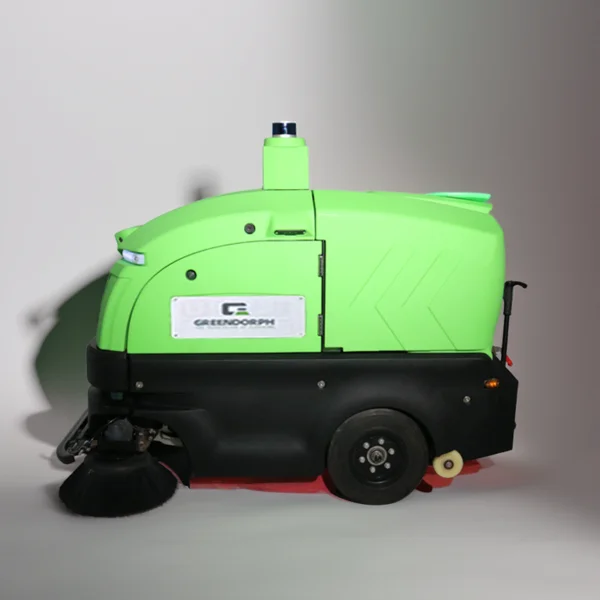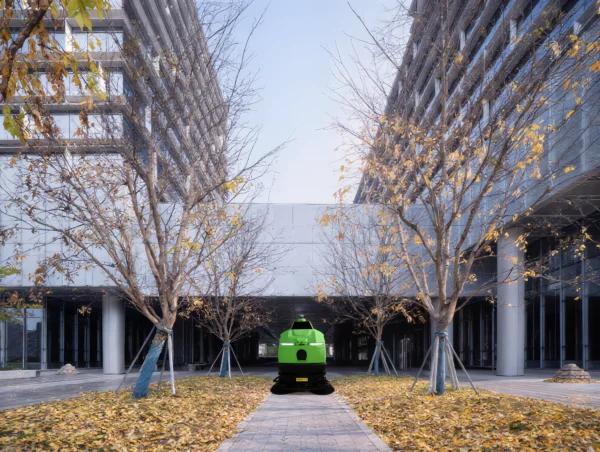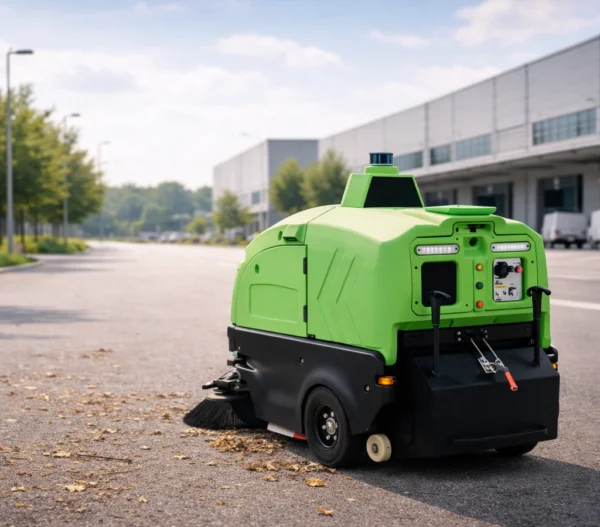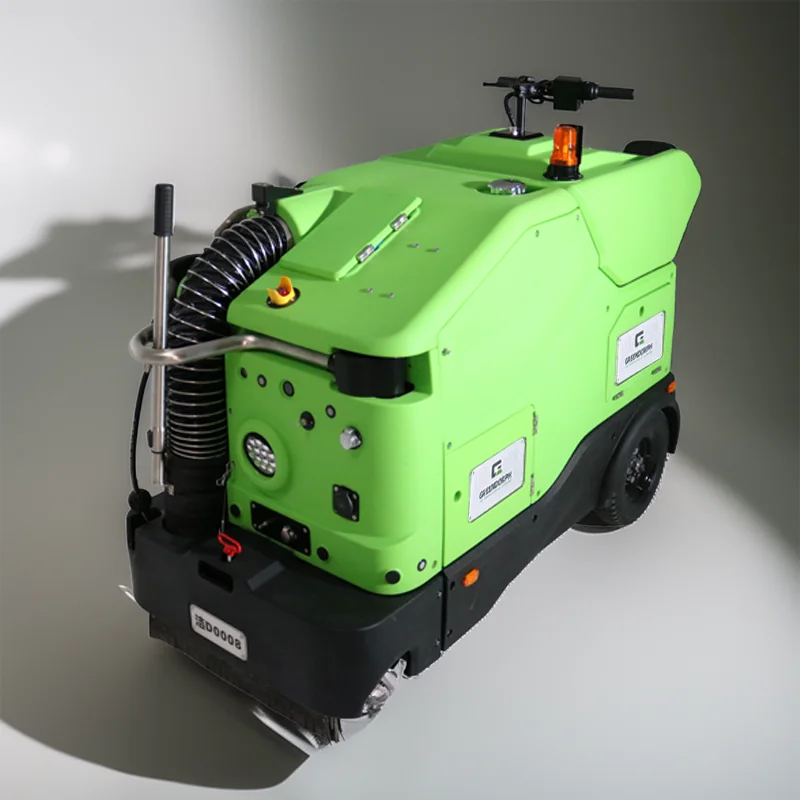
Managing a school campus involves countless responsibilities, yet one area often underestimated is the consistency of floor hygiene across sprawling facilities. From corridors and cafeterias to gymnasiums and entryways, the sheer scale of daily foot traffic demands a cleaning approach that goes beyond manual labor. We at Greendorph have observed that institutions increasingly struggle with balancing cleanliness standards against rising operational costs and workforce shortages. This is where the precision of automation becomes not just a convenience, but a strategic necessity.
Reducing Labor Strain Through Intelligent Automation
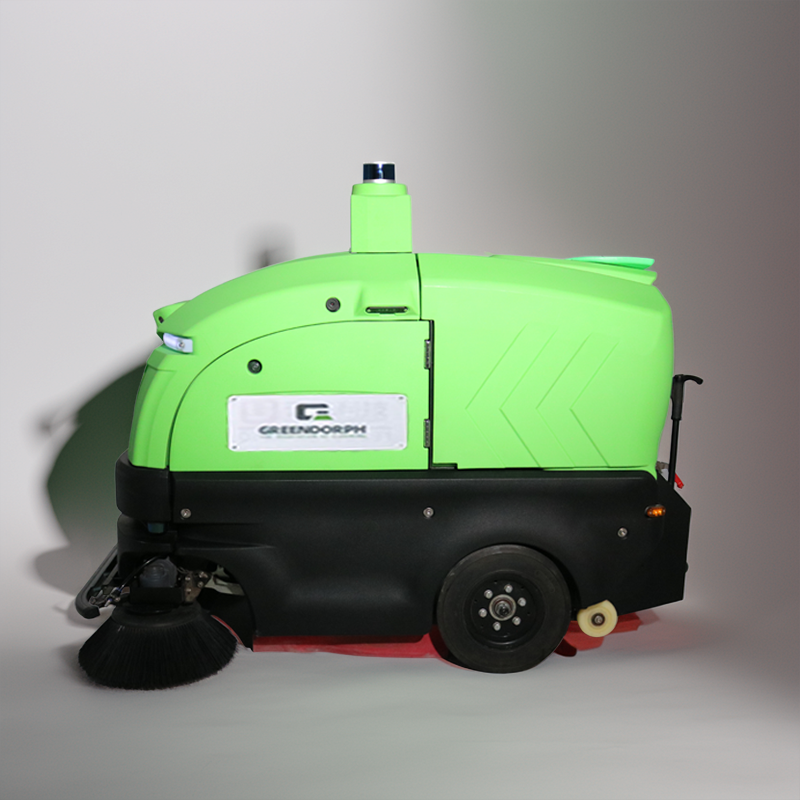
The physical demands of maintaining extensive educational grounds place significant strain on custodial teams. Traditional methods require repetitive manual effort, leaving little room for crews to focus on deep-cleaning tasks or unexpected spills. By integrating a robot floor cleaner into daily operations, we help facilities redirect human resources to higher‑value activities. These machines operate autonomously, following pre‑mapped routes that cover large indoor and semi‑outdoor areas without constant supervision. In our experience, a single robotic floor cleaner can handle routine scrubbing and sweeping across multiple zones, reducing fatigue among staff and minimizing the risk of repetitive stress injuries. Moreover, the consistency offered by robotic floor cleaners means no area is overlooked—every hallway and common space receives the same level of attention, regardless of shift changes or staffing levels.
Data‑Driven Hygiene for Healthier Learning Environments
School campuses require cleaning protocols that adapt to real‑time usage patterns, yet static schedules often lead to either over‑cleaning or under‑cleaning. Modern robot floor cleaner systems are equipped with sensors and connectivity that allow them to respond to actual conditions. We incorporate AI‑driven analytics that monitor floor traffic, detect soiled zones, and trigger targeted cleaning cycles precisely when needed. This transforms hygiene management from a reactive task into a proactive strategy. For instance, a robotic floor cleaner can prioritize high‑touch corridors between class periods while reducing frequency in low‑traffic areas, optimizing both energy and solution usage. The cloud platform behind these machines also provides facility managers with actionable reports—showing coverage metrics, cleaning frequency, and even predictive maintenance alerts. Such transparency supports evidence‑based decision‑making, helping campus administrators demonstrate compliance with health standards and allocate budgets more effectively.
Lowering Total Cost of Ownership Through Sustainable Operations
Budget constraints are a reality for educational institutions, making long‑term operational efficiency a critical factor. We have seen that deploying robotic floor cleaners consistently reduces expenses related to water, cleaning chemicals, and equipment wear. Unlike manual methods that may over‑apply detergents, autonomous machines dispense precise amounts based on surface type and soil level, cutting down on chemical runoff and material waste. In addition, the electric‑powered nature of these units aligns with sustainability goals, producing lower carbon emissions compared to traditional gas‑powered industrial scrubbers often used in large campuses. The durability of commercial‑grade robotic floor cleaners also minimizes replacement frequency; their modular design allows quick servicing, so downtime rarely disrupts daily routines. When we calculate the return on investment, the combination of reduced labor costs, lower consumable usage, and extended equipment lifespan consistently demonstrates that automation pays for itself within a predictable timeframe.
Integrating autonomous cleaning technology into school campus management is no longer a futuristic concept—it is a practical response to the challenges of scale, safety, and resource efficiency. By adopting robot floor cleaner solutions, educational institutions can maintain higher hygiene standards while empowering their staff to focus on more complex campus needs. We believe that as campuses continue to expand, the shift toward intelligent, data‑driven cleaning will become essential for creating environments where students and educators can thrive.