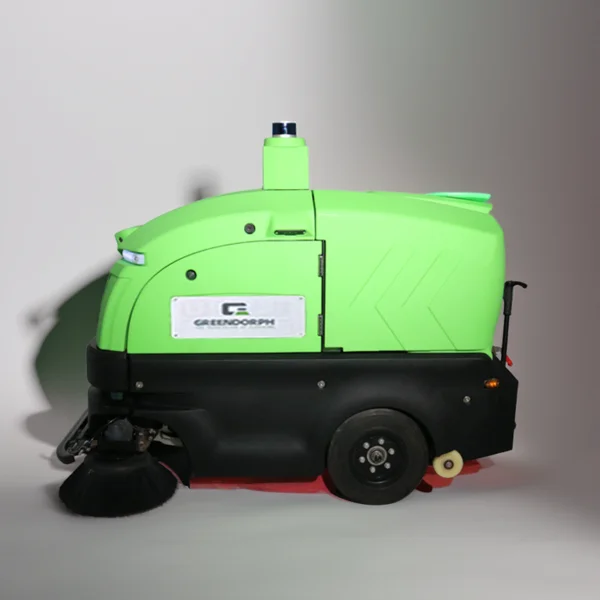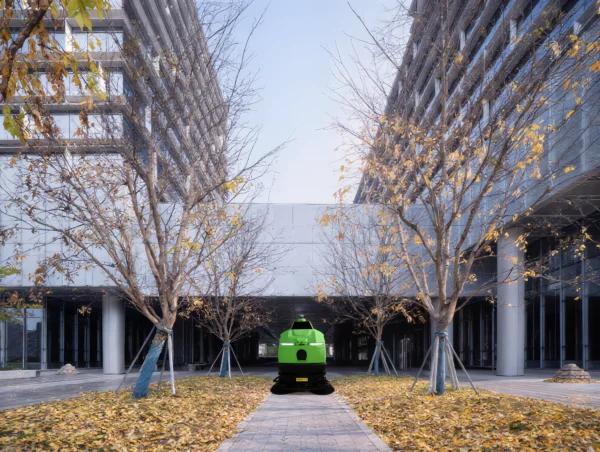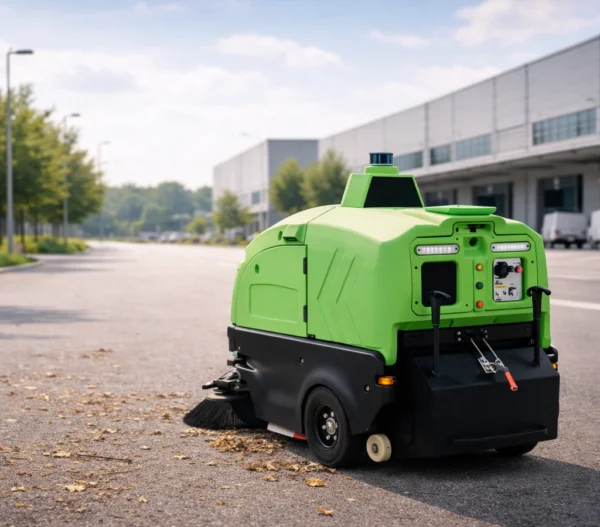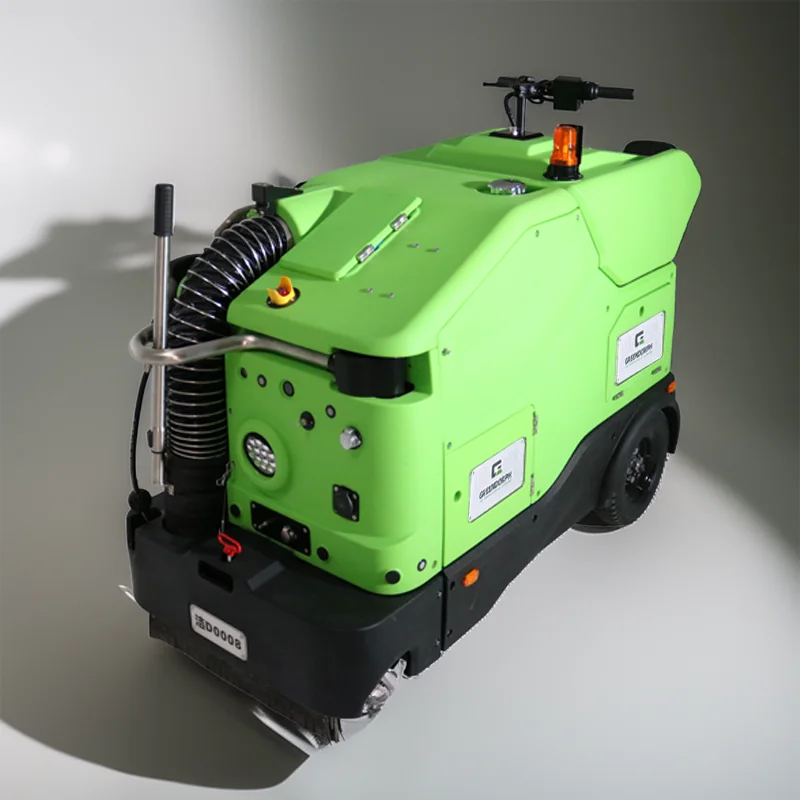
For decades, warehouse operators have relied on manual sweeping crews and ride-on scrubbers that demand constant human attention. Yet the operational landscape is shifting. Today, the electric warehouse floor sweeper has emerged as a precise tool engineered to handle the unique demands of high-traffic logistics environments. Understanding its definition and purpose helps facility managers make informed decisions about automating one of the most repetitive tasks in material handling.
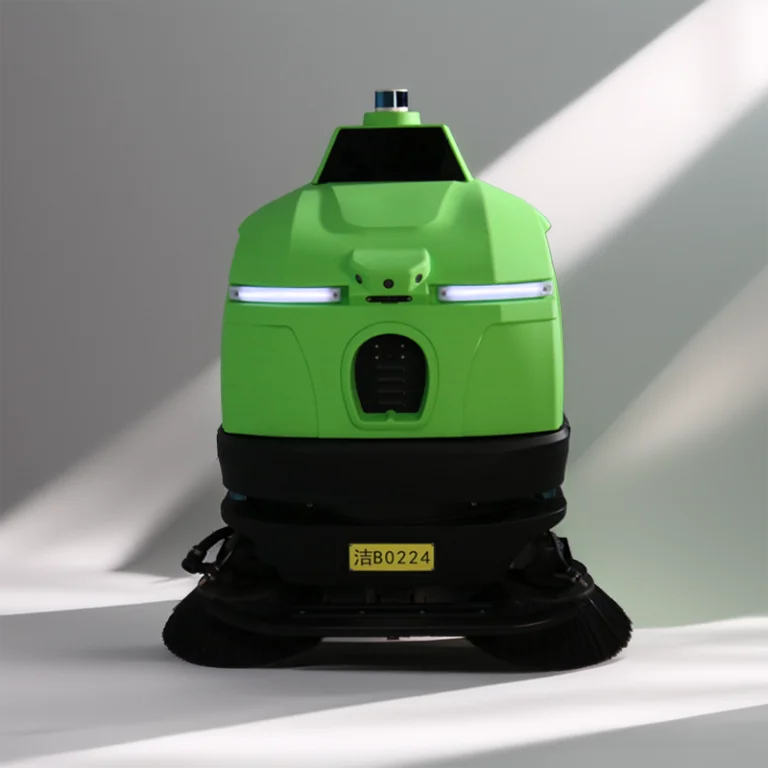
Defining the Warehouse Sweeper
A warehouse sweeper is an autonomous or operator-assisted machine designed specifically for collecting fine dust, debris, and larger particulates from expansive industrial floors. Unlike consumer-grade floor cleaners, a commercial warehouse sweeper is built to endure continuous operation in zones where forklifts, pallet jacks, and pedestrian traffic create constant challenges. These machines integrate robust brush systems, high-capacity hoppers, and electric drivetrains to maintain cleanliness without introducing emissions indoors.
When we at Greendorph examine a warehouse floor sweeper more closely, its construction reflects the intensity of its operating environment. Heavy-duty steel frames, puncture-resistant tires, and sealed electrical components allow these sweepers to perform reliably where dirt accumulation is heaviest. The equipment is purpose-built to remove not only surface dust but also the gritty particulates that can damage inventory tracking systems and create unsafe walking surfaces. For facilities aiming to meet strict cleanliness standards, a dependable warehouse sweeper becomes a non-negotiable asset.
Core Purpose: Automating Routine Cleaning with Efficiency
The primary purpose of any electric warehouse floor sweeper is to shift floor maintenance from a labor-intensive, intermittent activity to an automated, scheduled process. These machines are engineered for high-traffic environments, where traditional sweeping often falls behind the pace of operations. By automating routine cleaning, they eliminate the variability that comes with manual crews—each pass delivers efficient coverage regardless of operator fatigue or shift changes.
Dependable navigation plays a critical role here. Modern electric warehouse floor sweepers use sensor arrays and programmed path logic to cover defined zones systematically, reducing missed areas and redundant passes. From run to run, the equipment produces consistent results, ensuring that every aisle, dock, and staging area receives the same level of cleanliness. This repeatability is especially valuable for warehouses that operate multiple shifts, because the warehouse sweeper can execute its program without interrupting material flow or requiring additional supervision.
Scientific Advantages of Electric Warehouse Floor Sweepers
From a scientific perspective, the shift to electric sweeping technology brings measurable improvements in energy efficiency, particulate containment, and operational predictability. Electric powertrains convert stored energy to mechanical work with higher efficiency than internal combustion alternatives, which translates to lower energy costs per square meter cleaned. Additionally, the absence of engine exhaust preserves indoor air quality—a critical factor in facilities that store sensitive goods or employ large workforces.
The consistency we mentioned earlier is underpinned by control systems that regulate brush pressure, suction airflow, and travel speed based on floor conditions. When a warehouse floor sweeper encounters a high-debris zone, its controller can automatically adjust to maintain collection effectiveness. This closed-loop behavior reduces the need for repeated passes and prevents dust from being redistributed into the air. Moreover, the data generated by these machines—such as area coverage logs and maintenance alerts—enables facility managers to shift from reactive cleaning to predictive maintenance, further lowering total operational costs.
The electric warehouse floor sweeper has evolved beyond a simple cleaning machine into an integrated system for maintaining safety, efficiency, and consistency in high-traffic industrial spaces. By automating routine cleaning with efficient coverage, dependable navigation, and repeatable results, these sweepers address the core purpose of freeing skilled teams to focus on higher-value work while ensuring that floor conditions remain uniform day after day. For any warehouse seeking to improve cleanliness metrics without expanding labor overhead, the electric warehouse floor sweeper offers a scientifically grounded, operationally proven solution.