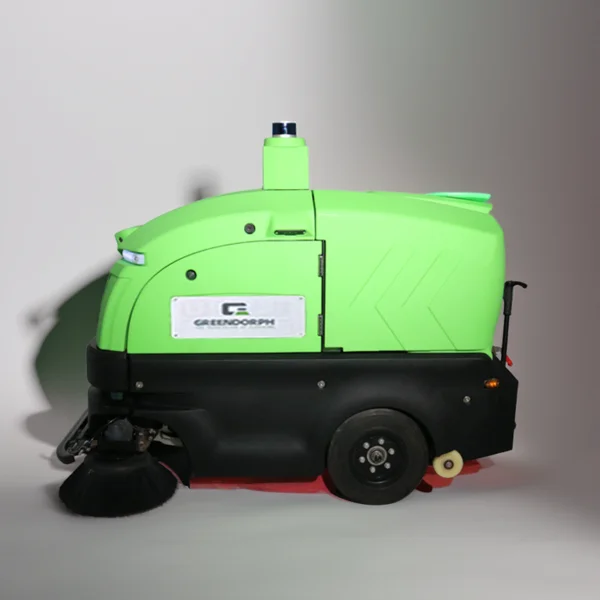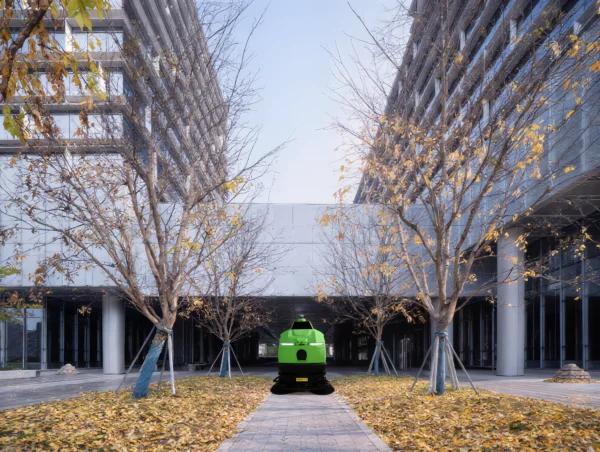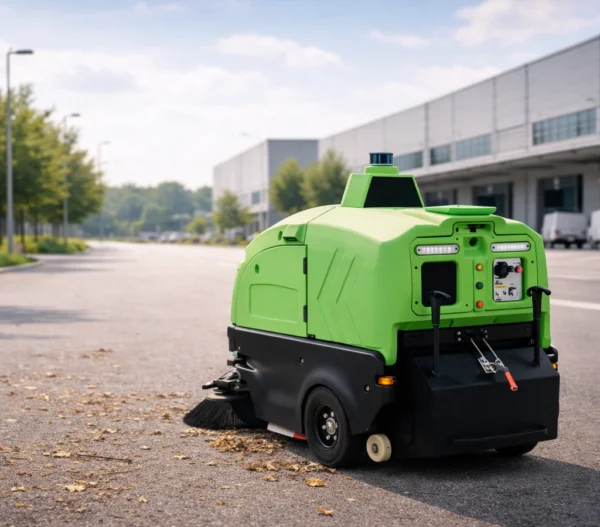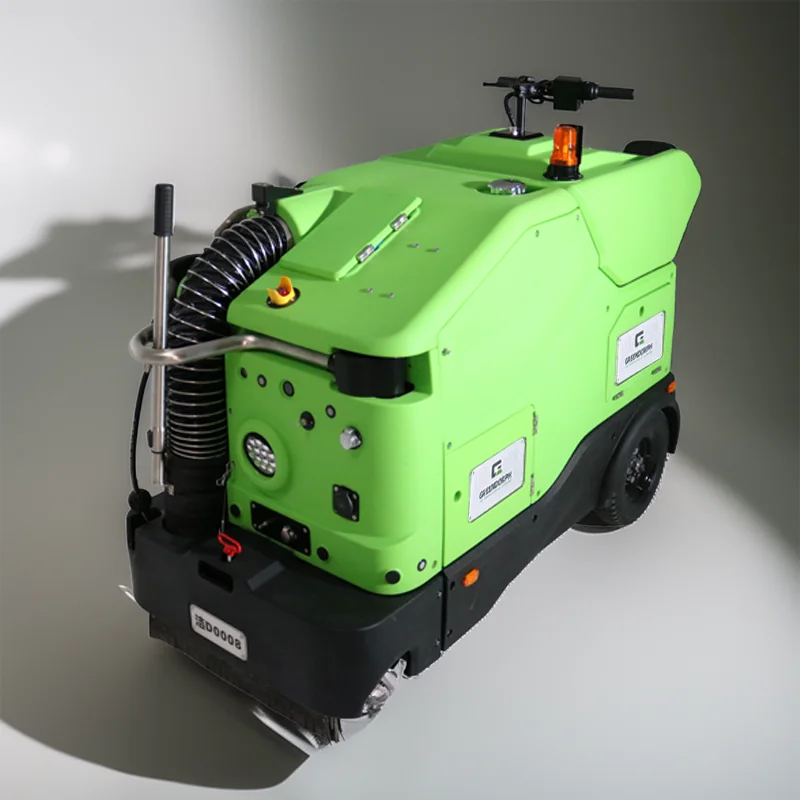
Decision-makers in facility operations, industrial sites, and large-scale commercial environments constantly evaluate equipment that balances performance with long-term value. Among the most critical investments is the choice between new electric ride on sweeper models and their traditional internal combustion counterparts. This comparison goes beyond simple preference—it affects operational costs, environmental compliance, workforce safety, and overall efficiency. Having developed and deployed intelligent cleaning solutions across hundreds of projects worldwide, we have observed firsthand how the shift toward electric ride on sweeper machine technology is reshaping industry standards. Understanding the distinct advantages and trade-offs of each type empowers businesses to make choices aligned with both immediate needs and future sustainability goals.
Performance Consistency and Operational Efficiency
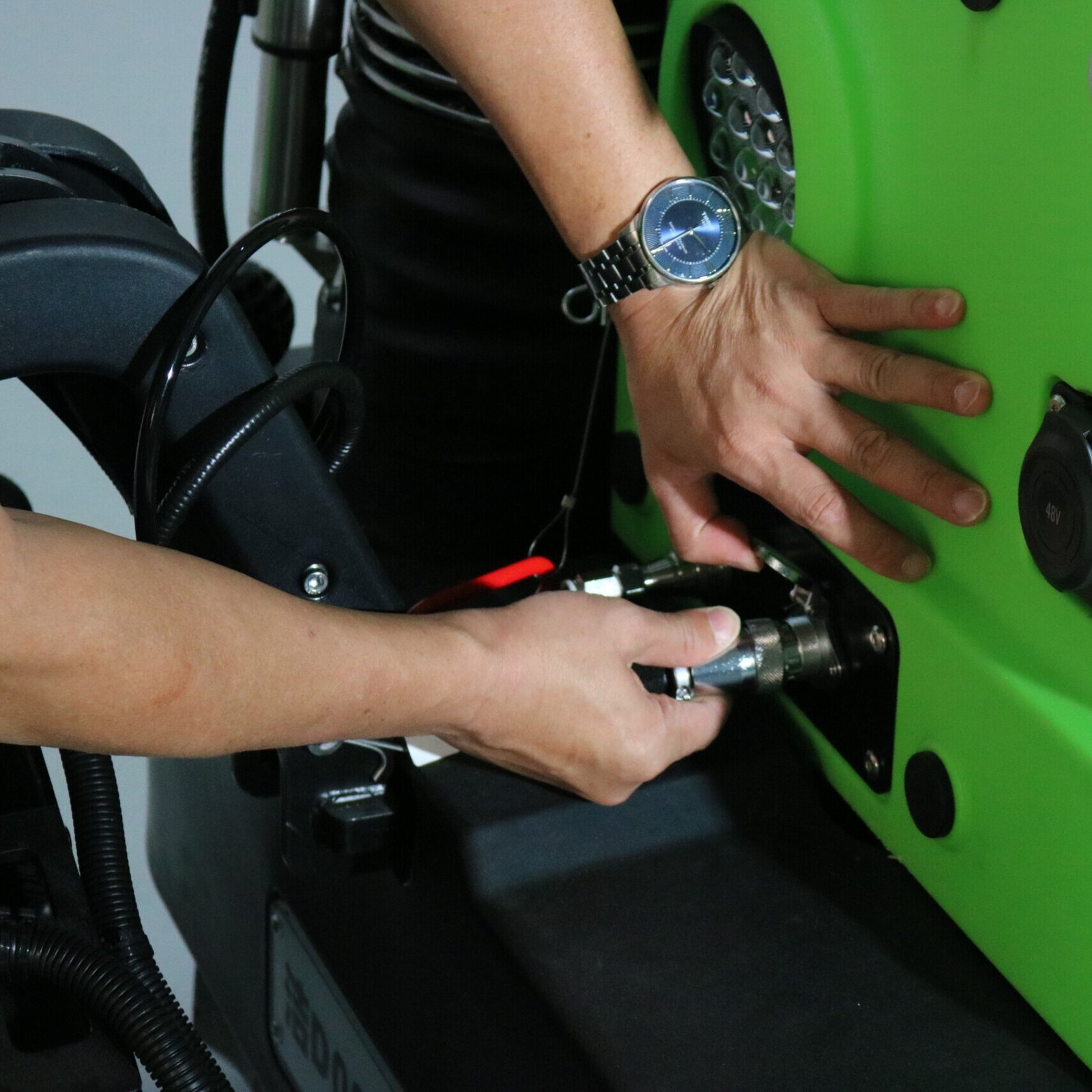
Modern electric ride on sweeper platforms deliver consistent torque and quiet operation, making them particularly suitable for environments where noise restrictions or indoor-adjacent outdoor spaces are factors. Unlike traditional models that rely on diesel or gasoline engines, electric ride on sweeper machine systems achieve instant torque response, which translates to predictable cleaning patterns and reduced operator fatigue. In our work deploying automated cleaning equipment for campuses, industrial parks, and agricultural facilities, we have observed that electric sweepers maintain stable performance regardless of ambient temperature variations, whereas combustion engines may require warm-up periods and experience power fluctuations. Additionally, electric ride on sweeper units contain fewer moving parts, which directly impacts long-term reliability. Traditional models, while proven in heavy-duty applications, often demand more frequent attention to engine components, fuel systems, and exhaust aftertreatment devices—factors that introduce variability into daily operations.
Total Cost of Ownership and Maintenance Demands
When analyzing lifecycle expenses, the differences between electric and traditional ride on sweeper machine categories become pronounced. The upfront acquisition cost of electric models has historically been higher, but advances in battery technology and manufacturing scale have narrowed this gap considerably. More importantly, the daily operational costs favor electric ride on sweeper systems due to lower energy expenses compared to diesel or gasoline, coupled with reduced maintenance intervals. Traditional sweepers require regular oil changes, filter replacements, fuel management, and emissions system upkeep—all of which contribute to higher labor and parts costs over time. From our experience supporting fleets with 24/7 technical assistance, we have seen that facilities switching to electric ride on sweeper platforms often report up to 50% lower routine maintenance expenditures. Furthermore, the simplified drivetrain of an electric ride on sweeper machine means fewer unplanned service events, allowing maintenance teams to focus on proactive care rather than emergency repairs.
Environmental Compliance and Operational Flexibility
Regulatory pressures and corporate sustainability commitments are accelerating the adoption of electric ride on sweeper technology. Traditional models, while powerful, emit carbon monoxide, particulate matter, and noise that can restrict operating hours in sensitive zones such as hospitals, university campuses, and residential-adjacent commercial areas. Electric ride on sweeper machine systems produce zero direct emissions and operate at significantly lower noise levels, enabling daytime cleaning without disturbing occupants or violating local ordinances. In our deployments across more than 300 global projects—ranging from industrial complexes to public parks—we have observed that electric sweepers also integrate more seamlessly with smart facility management systems. Through AI-enabled cloud platforms, electric ride on sweeper fleets can share real-time data on battery status, route efficiency, and maintenance needs, allowing managers to optimize schedules and reduce energy waste. Traditional equipment typically lacks this level of digital integration, making it harder to align with modern smart-building strategies.
The choice between new electric models and traditional ride on sweeper equipment ultimately depends on an organization’s operational priorities, environmental requirements, and long-term cost structure. Electric ride on sweeper machine technology offers clear advantages in maintenance simplicity, energy efficiency, and regulatory alignment, while traditional models continue to serve applications where infrastructure for charging is not yet established. As a provider dedicated to intelligent outdoor cleaning solutions, we at Greendorph have seen that facilities adopting electric ride on sweeper systems benefit not only from reduced operating costs but also from enhanced flexibility in scheduling and site usage. By carefully evaluating performance consistency, total cost of ownership, and environmental fit, decision-makers can select the ride on sweeper platform that delivers the greatest value for their unique operational landscape.