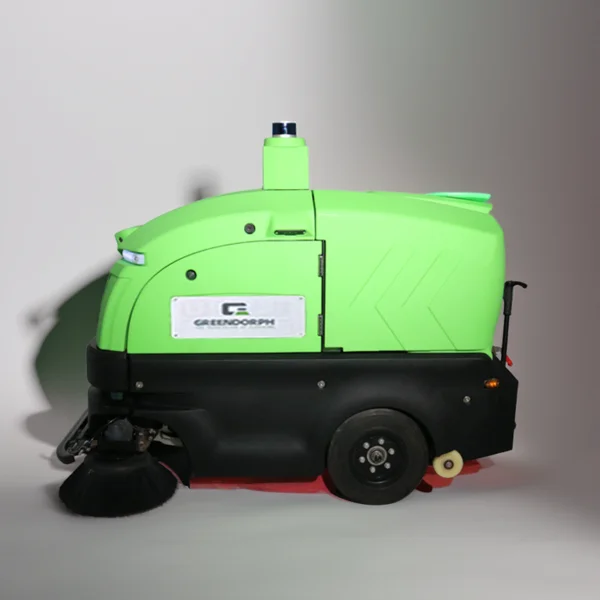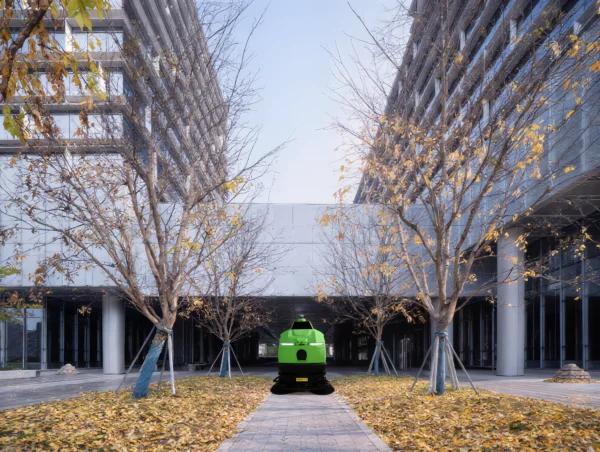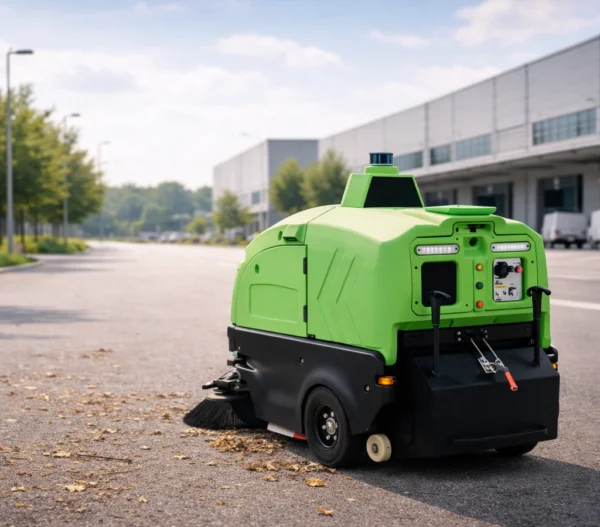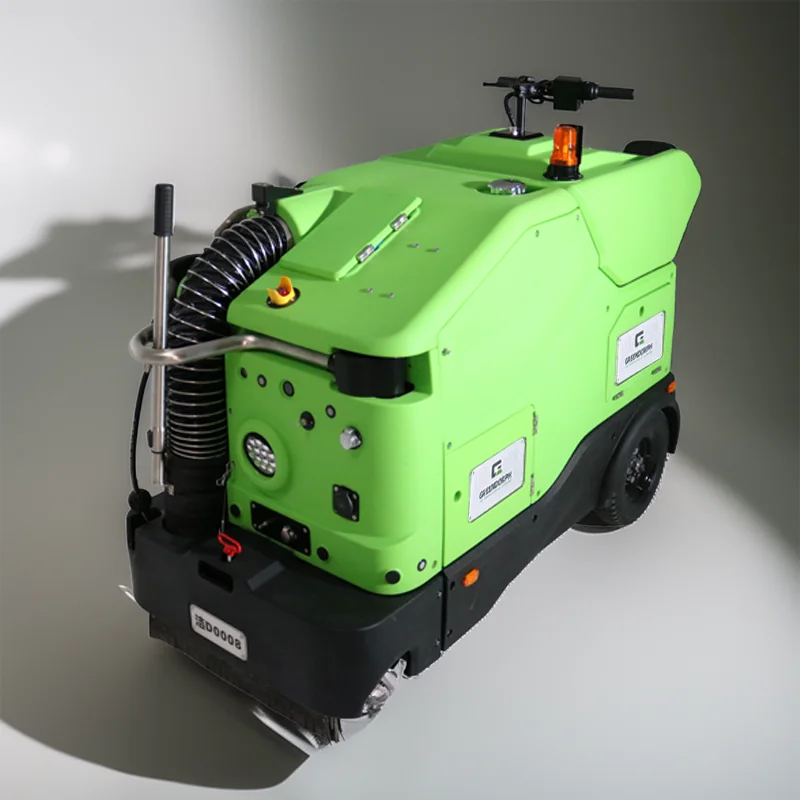
Across industrial facilities, the conversation around automation has shifted from whether to adopt it to how quickly it can be integrated. Among the most impactful developments is the autonomous industrial cleaning robot, a category of equipment that redefines floor care for large-scale operations. When we examine the features that make these machines truly effective—and the sustainability advantages they deliver—it becomes clear why so many facility managers are moving away from manual and ride-on equipment. We at Greendorph focus on solutions that are built for high-traffic environments, where consistency and low environmental impact matter as much as raw cleaning power.
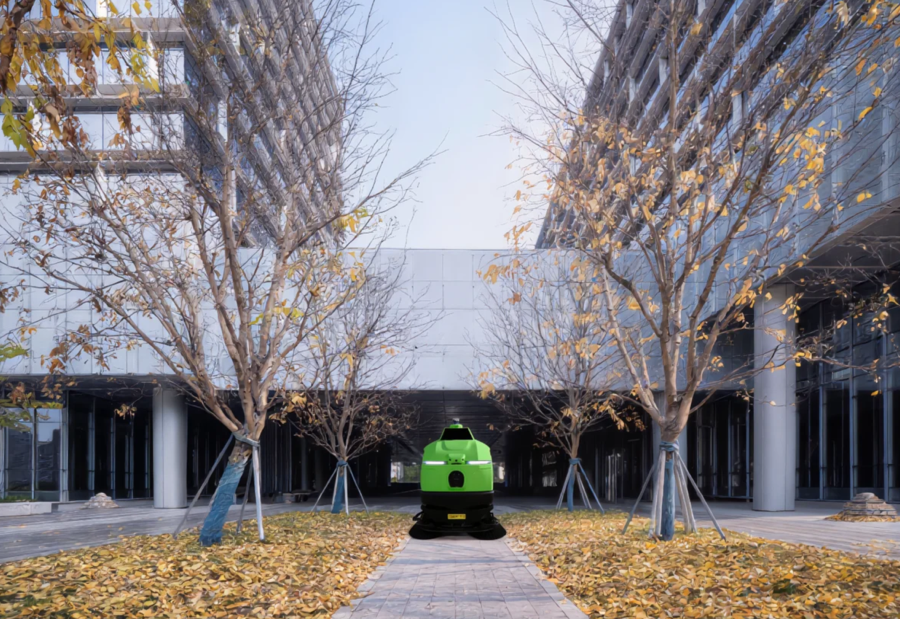
Engineering for High-Traffic Environments
A properly designed industrial cleaning machine must withstand conditions that quickly degrade conventional floor care equipment. In warehouses, distribution centers, and manufacturing plants, floors accumulate a mix of fine particulates, oil residues, and heavy debris across shifts. The autonomous industrial cleaning robot addresses this through structural choices: reinforced chassis, sealed electronic components, and brush systems that maintain contact pressure even on uneven concrete.
What sets these machines apart is their ability to automate routine cleaning without constant supervision. We engineer our industrial cleaning machine platforms to operate alongside forklifts and pedestrian traffic, using sensor fusion to detect obstacles and adjust paths in real time. This allows the autonomous industrial cleaning robot to cover designated zones with efficient coverage, ensuring that no aisle or loading dock is overlooked. Dependable navigation means the equipment follows planned routes consistently, reducing the need for repeat passes and freeing facility personnel for higher-value tasks.
Precision Through Data-Driven Operation
Beyond physical durability, the modern autonomous industrial cleaning robot leverages software intelligence to deliver consistent results from run to run. Each cleaning cycle is logged, allowing facility managers to track coverage metrics, battery usage, and maintenance intervals. This data transforms floor care from a reactive chore into a predictable process.
From a scientific perspective, consistency is achieved through closed-loop control systems. The industrial cleaning machine monitors its own performance—brush speed, suction airflow, and debris collection rates—and makes micro-adjustments in response to changing floor conditions. When the autonomous industrial cleaning robot enters a high-debris zone, it can automatically increase brush pressure and slow travel speed to maintain collection efficiency. When the floor is relatively clean, it conserves energy by reducing power draw. This adaptive behavior ensures that each run delivers the same high standard of cleanliness, regardless of whether it is the first shift or the third.
Sustainability Gains from Electrification and Efficiency
The sustainability case for an autonomous industrial cleaning robot rests on two pillars: emission-free operation and resource optimization. Electric powertrains eliminate the exhaust emissions associated with propane or diesel-powered sweepers, directly improving indoor air quality. For facilities pursuing green building certifications or corporate carbon reduction targets, replacing combustion-engine equipment with electric autonomous units represents a measurable step forward.
Equally important is the efficiency of resource use. A well-deployed industrial cleaning machine uses precisely the amount of energy required for the area cleaned, avoiding waste from idling or inefficient routing. The autonomous industrial cleaning robot also reduces water and chemical consumption when equipped with scrubber functions, applying solution only where needed. Over time, these efficiencies translate into lower utility bills and reduced consumables expenditure. When we look at total cost of ownership, the combination of reduced labor hours, decreased energy use, and minimized waste makes the industrial cleaning machine a financially sound investment that aligns with broader environmental goals.
The autonomous industrial cleaning robot represents a convergence of rugged engineering, intelligent navigation, and sustainable operation. Built for high-traffic environments, these machines automate routine cleaning with efficient coverage, dependable navigation, and consistent results from run to run. By adopting an industrial cleaning machine that operates autonomously, facilities gain not only cleaner floors but also predictable performance, reduced environmental impact, and the ability to redirect skilled workers to tasks that require human judgment. As industrial operations continue to prioritize efficiency and sustainability, the autonomous industrial cleaning robot stands out as a practical, data-driven solution.