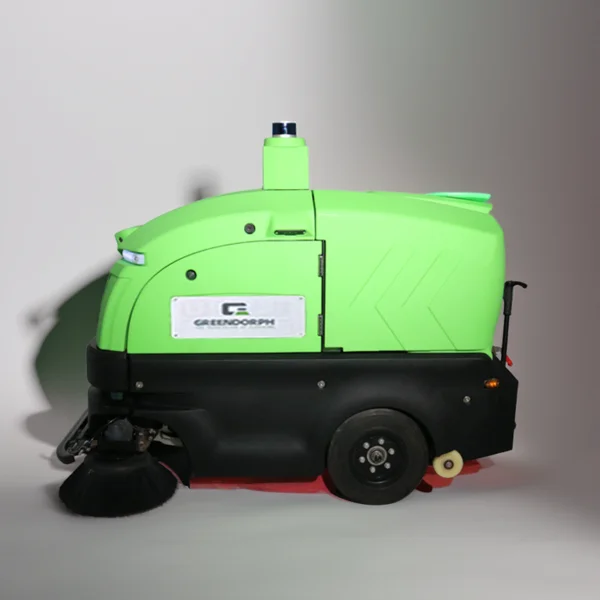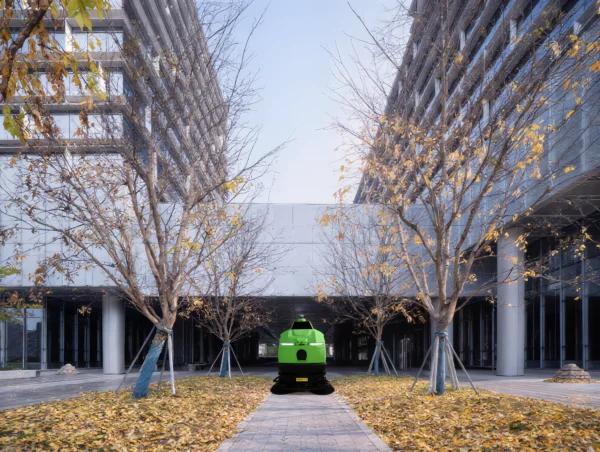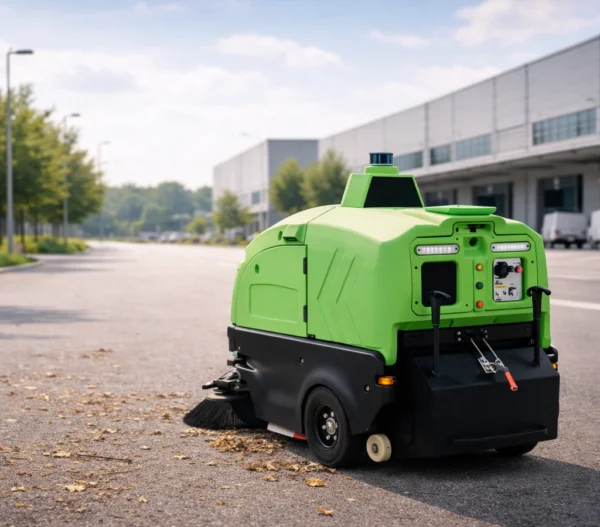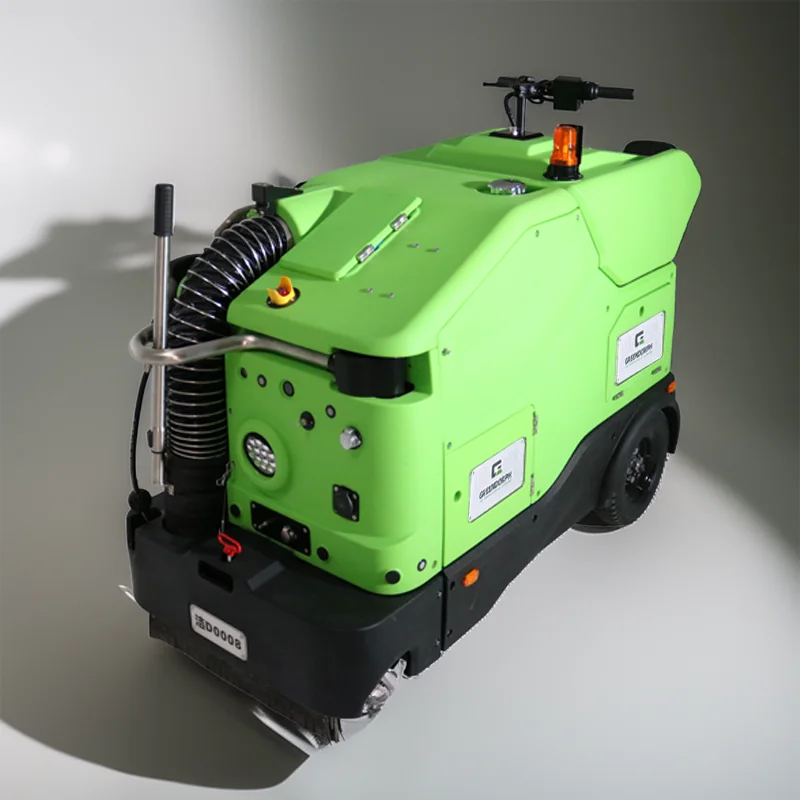
What hidden costs silently drain operational efficiency in large-scale facilities? For warehouses, manufacturing plants, and industrial campuses, the answer often lies beneath the surface—on the floors that endure constant traffic, debris accumulation, and safety risks. We at Greendorph have worked alongside facility managers across hundreds of deployment sites, and the pattern is consistent: organizations that transition to mechanized sweeping solutions experience measurable improvements not only in cleanliness but also in labor allocation, safety metrics, and equipment longevity. If your organization is evaluating a ride on floor sweeper for sale, understanding the full scope of benefits beyond simple debris removal will inform a more strategic investment decision.
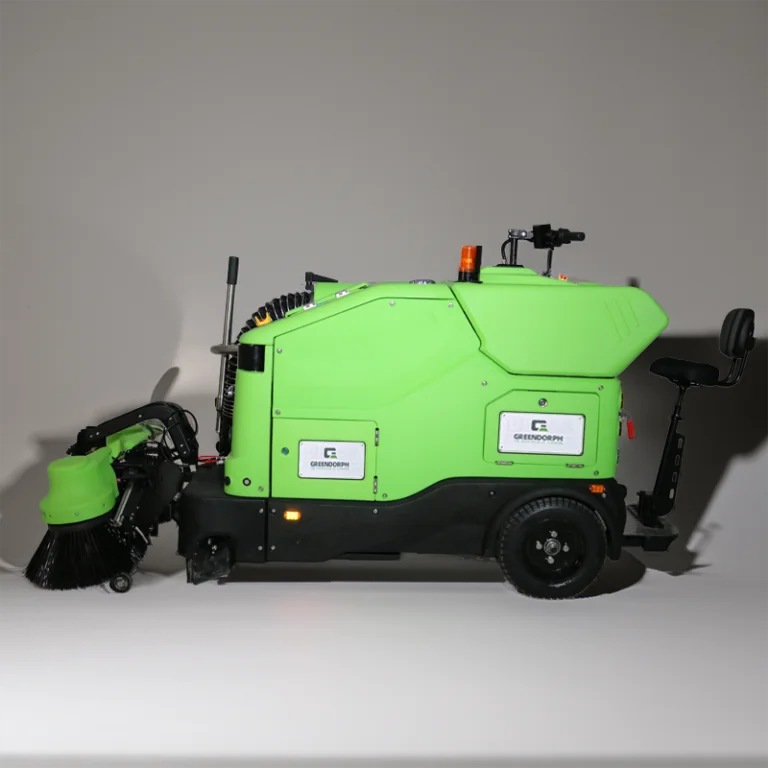
Productivity and Coverage Advantages of a Ride On Sweeper
1. Superior coverage rates compared to walk-behind alternatives
A ride on sweeper typically covers three to five times the area of a walk-behind unit within the same time frame. For facilities exceeding 50,000 square feet, this differential translates directly to labor hour savings.
2. Continuous operation without operator fatigue
Walk-behind units require physical exertion that limits shift duration. Operators using a ride on floor sweeper for sale can maintain consistent cleaning quality throughout extended shifts, reducing turnover-related inconsistencies.
3. Faster response to spill and debris events
When unexpected spills occur in high-traffic zones, a ride on sweeper can be deployed immediately and complete remediation in minutes rather than the extended time required for manual methods.
4. Reduced cleaning frequency through higher debris capacity
With hopper capacities typically ranging from 10 to 30 cubic feet, a ride on floor sweeper for sale captures and retains significantly more debris per pass, allowing facilities to reduce total cleaning cycles while maintaining higher cleanliness standards.
Safety, Ergonomics, and Workforce Benefits
5. Elimination of repetitive strain injuries
Manual pushing and pulling of walk-behind equipment contributes to musculoskeletal injuries over time. The seated operation of a ride on sweeper removes these ergonomic risks entirely, representing a direct reduction in workers’ compensation exposure.
6. Enhanced visibility and operator safety
Operator positioning on a ride on floor sweeper for sale provides elevated sightlines compared to walk-behind units. This improved visibility reduces collision risks with pedestrians, racking systems, and other material-handling equipment in active facilities.
7. Consistent safety compliance through documented maintenance
Modern ride on sweeper models integrate with management platforms that track filter status, brush wear, and system diagnostics. This data supports audit trails for safety and environmental compliance—a capability manual methods cannot provide.
8. Lower training requirements and faster onboarding
Operating a ride on floor sweeper for sale requires less physical skill development than walk-behind units, where maneuvering around obstacles demands continuous operator judgment. Consistent control layouts reduce training time and minimize operational errors.
Long-Term Cost Control and Operational Intelligence
9. Extended equipment lifespan through industrial-grade components
Walk-behind units often use lighter-duty components that require replacement every 12 to 18 months under continuous use. A ride on sweeper constructed with industrial-grade motors, hydraulic systems, and reinforced frames typically delivers five to seven years of reliable service when maintained according to manufacturer specifications.
10. Data-driven maintenance that prevents unplanned downtime
When equipped with telematics, a ride on floor sweeper for sale transmits operational data that enables predictive maintenance. We have observed across our project deployments that facilities using connected sweeping equipment experience fewer unexpected breakdowns compared to those relying on reactive maintenance schedules. The ability to schedule service around production shifts, rather than responding to failures during peak hours, preserves operational continuity.
The decision to invest in a ride on floor sweeper for sale extends beyond the immediate task of floor cleaning. It encompasses productivity gains through expanded coverage, workforce protection through ergonomic design, and long-term cost predictability through durable construction and intelligent monitoring. For facilities where cleanliness directly impacts throughput, safety ratings, and maintenance budgets, the ride on sweeper represents not merely an equipment purchase but a foundational investment in operational consistency. Evaluating these ten factors provides a framework for selecting a solution that aligns with both current requirements and future facility growth.