Municipalities and facility managers responsible for outdoor spaces have long relied on manual sweeping crews to maintain walkways, parking lots, and service roads. Yet the limitations of this approach—labor shortages, inconsistent outcomes, and worker exposure to traffic and weather—have become increasingly difficult to ignore. Shifting to automated equipment represents not just an upgrade in tools but a fundamental change in how cleaning work is organized. We have seen that the mini street sweeper serves as an ideal entry point for organizations ready to move beyond manual methods, offering a combination of automation, efficiency, and repeatable performance that manual crews simply cannot match.
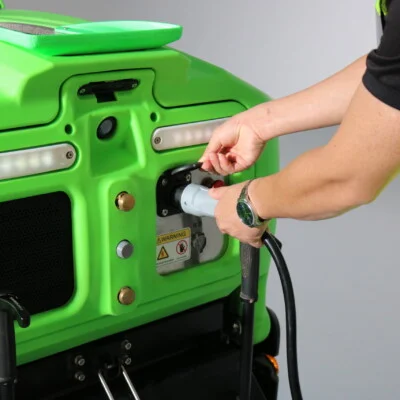
The Limitations of Manual Street Cleaning Methods
Manual sweeping relies entirely on human physical effort and judgment. Even with the most dedicated crews, the quality of a street sweeper operation varies by individual, shift, and fatigue level. Workers may miss sections, apply inconsistent sweeping patterns, or struggle to cover large areas within available labor hours. Safety also remains a persistent concern; personnel working near moving vehicles or in low-light conditions face preventable risks. From a resource perspective, employing multiple sweepers across extended hours generates high labor costs without guaranteeing uniform results. These inefficiencies create a compelling case for replacing or supplementing manual crews with a mini street sweeper designed specifically for confined or high-traffic outdoor environments.
How a Mini Street Sweeper Automates Routine Tasks
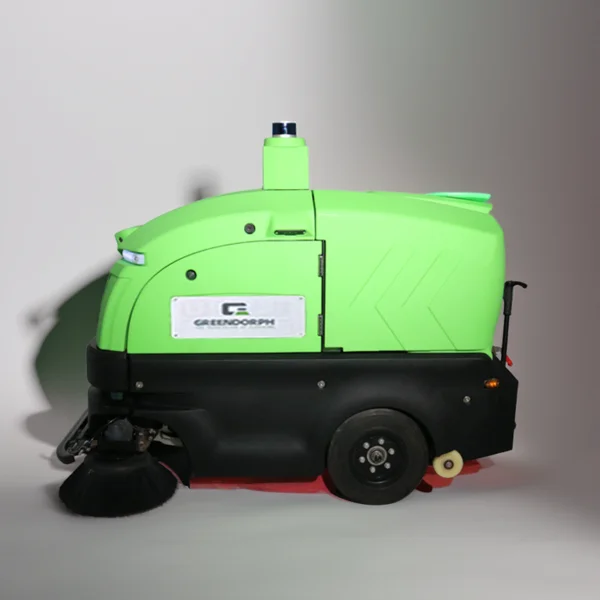
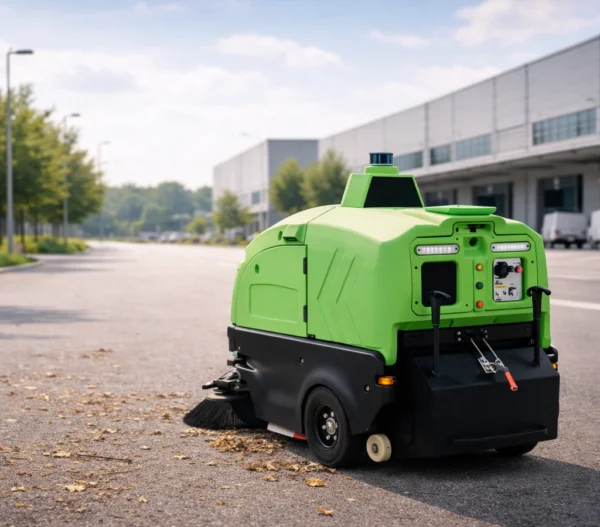
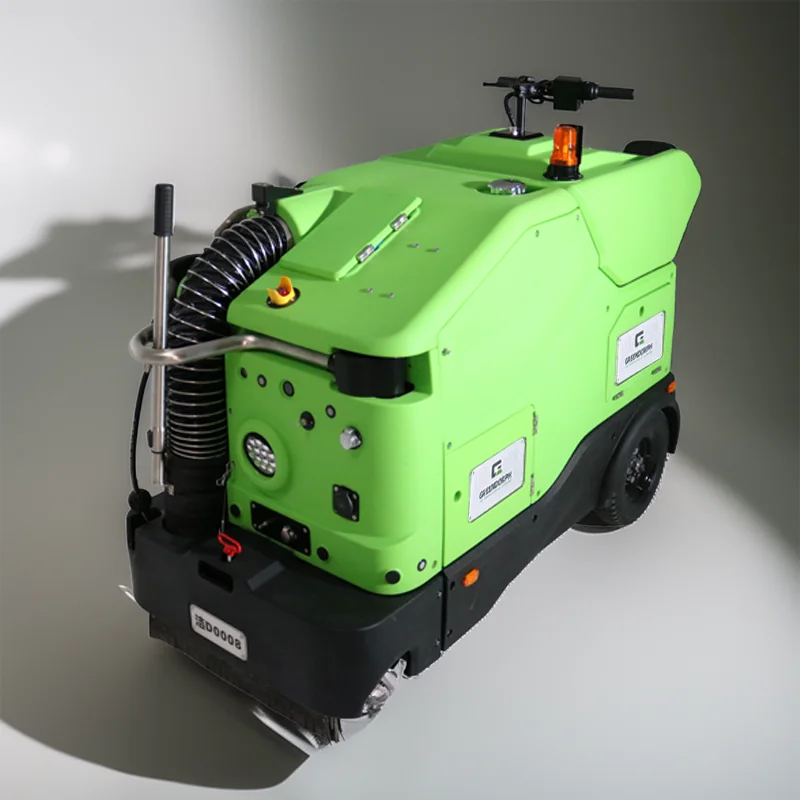
A well-engineered mini street sweeper automates the core functions of debris collection, dust control, and route coverage. Instead of relying on individual workers to push brooms or walk behind equipment, the street sweeper uses a combination of side brushes, a main broom, and a vacuum or conveyor system to lift and transfer debris into an onboard hopper. The operator—or, in autonomous configurations, the machine itself—focuses on supervising the cleaning process rather than performing the physical work.
When we evaluate the transition, we emphasize that a mini street sweeper delivers efficient coverage through predictable navigation. Whether guided by an operator or running a preprogrammed route, the machine follows consistent paths that eliminate missed spots. Dependable navigation ensures that the street sweeper covers every designated area with the same intensity from run to run, removing the variability inherent in manual methods. This consistency means facility managers can schedule cleaning cycles with confidence, knowing that results will meet standards regardless of which crew member is on duty.
Measurable Gains in Efficiency and Safety
Transitioning to a mini street sweeper yields quantifiable improvements in both operational efficiency and workplace safety. Manual sweeping crews often require multiple passes to achieve the same level of cleanliness that a mechanical street sweeper accomplishes in one pass, due to the machine’s ability to apply consistent brush pressure and suction. This efficiency translates into fewer labor hours allocated to routine cleaning, allowing personnel to focus on higher-value tasks such as detailed maintenance or site inspections.
Safety improvements stem from removing workers from direct exposure to vehicular traffic and airborne dust. A mini street sweeper equipped with water spray systems suppresses particulate matter at the point of collection, reducing respiratory hazards for both the operator and nearby pedestrians. Additionally, the machine’s compact size and maneuverability make it suitable for areas where manual crews previously worked at the greatest risk—such as narrow alleys, crowded parking lots, and perimeter roads. When we at Greendorph help organizations make this transition, we consistently find that the combination of reduced physical strain and enhanced safety metrics strengthens the overall case for automation.
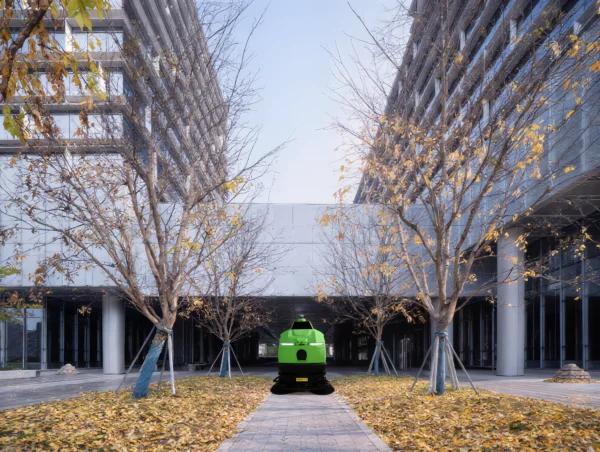
Moving from manual sweeping to a mini street sweeper represents a strategic shift toward consistency, safety, and operational control. The street sweeper automates routine cleaning with efficient coverage, dependable navigation, and consistent results from run to run, freeing skilled workers from repetitive physical labor while delivering a higher standard of cleanliness. For any organization managing outdoor spaces—whether commercial campuses, municipal districts, or industrial facilities—the transition to a mini street sweeper offers a practical, science-backed path to improved performance and reduced risk.