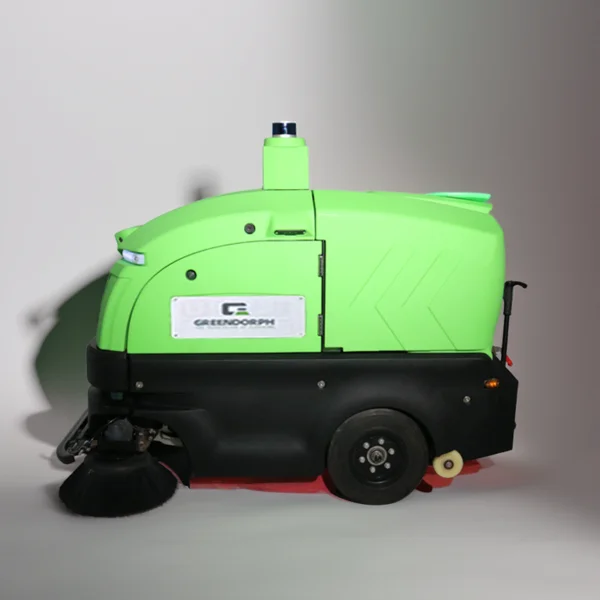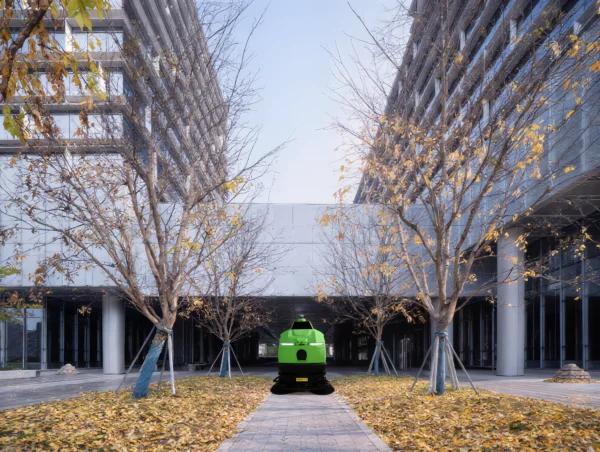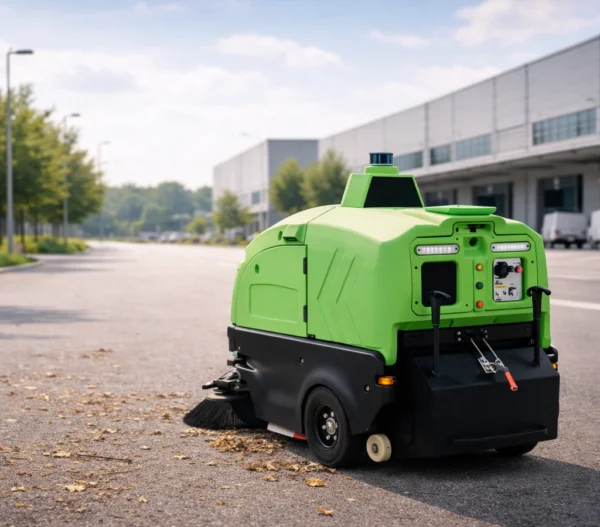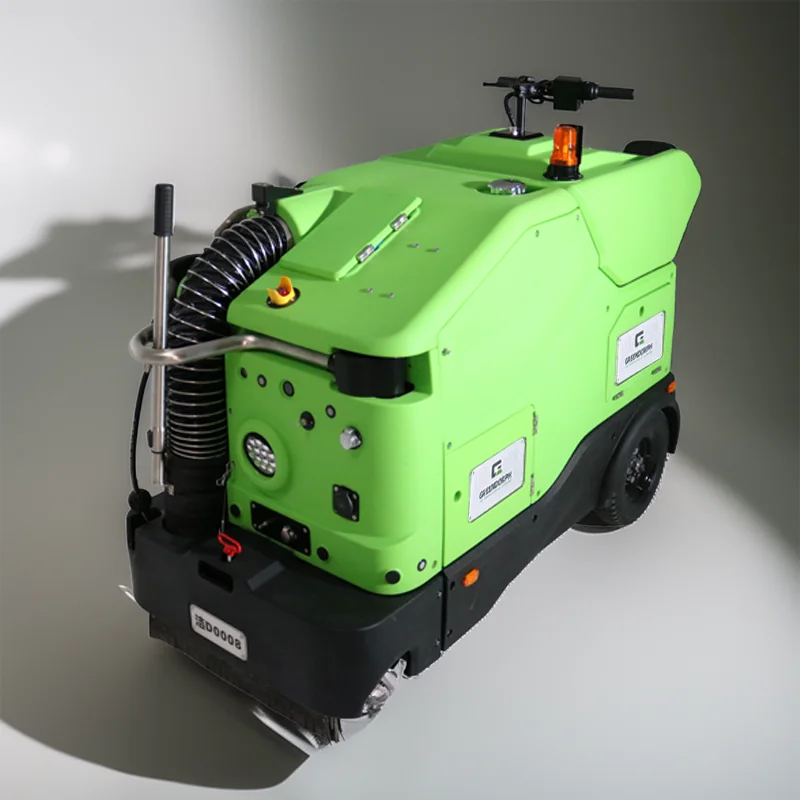
For parking lot cleaning companies, the pressure to deliver consistent, high-quality results while managing labor costs has never been greater. Clients expect pristine surfaces, predictable scheduling, and transparent reporting—demands that traditional manual and rider-operated equipment can struggle to meet efficiently. In our work developing intelligent outdoor cleaning solutions across hundreds of commercial and industrial sites, we have witnessed a fundamental shift: parking lot sweeper technology is evolving rapidly toward autonomy, and early adopters are gaining distinct competitive advantages. Transitioning to an autonomous fleet is not simply about replacing equipment; it requires a strategic approach that addresses operational workflows, workforce integration, and client expectations.
Assessing Fleet Readiness and Phased Adoption
The first step for parking lot cleaning companies considering autonomous parking lot sweeper technology is conducting a candid assessment of existing operations. Not every site is immediately suitable for full autonomy, and attempting to transition too quickly can create unnecessary complexity. We recommend a phased adoption model that begins with identifying properties that have well-defined boundaries, predictable traffic patterns, and adequate infrastructure for charging or maintenance. For parking lot cleaning companies managing multiple client accounts, starting with one or two sites allows operators to build familiarity with autonomous parking lot sweeper systems without disrupting core revenue-generating contracts. During this initial phase, we work with our customers to establish baseline performance metrics—such as area coverage per hour, water consumption, and operator intervention frequency—that serve as benchmarks for scaling the program. A measured approach ensures that the transition delivers tangible operational improvements before additional units are deployed.
Integrating Autonomous Equipment with Existing Workforce
A common concern among parking lot cleaning companies is how autonomous parking lot sweeper technology will affect their workforce. In our experience across more than 300 global deployments, automation does not eliminate jobs—it redefines them. Skilled operators transition from manually steering equipment to overseeing multi-unit fleets, managing route optimization through cloud platforms, and performing higher-value tasks such as quality assurance and client relationship management. For parking lot cleaning companies, this shift requires deliberate training programs that equip staff with the skills to monitor autonomous parking lot sweeper performance, interpret diagnostic data, and perform routine maintenance on both hardware and software systems. We support this transition by providing technical specialists available around the clock to assist with troubleshooting, ensuring that field teams never feel left to navigate new systems alone. When workforce integration is handled proactively, companies find that employee retention improves, as team members take on more engaging, technically sophisticated roles.
Enhancing Client Value Through Data and Consistency
Clients hire parking lot cleaning companies for reliable, verifiable results. Autonomous parking lot sweeper fleets deliver precisely that by removing the variability inherent in human operation. Every pass follows an optimized path, every cleaning session is logged, and every performance metric is recorded. For parking lot cleaning companies, this data becomes a powerful client management tool. Instead of relying on subjective descriptions of work completed, companies can provide clients with detailed reports showing area coverage, sweep frequency, water usage, and time stamps. This transparency builds trust and justifies premium service rates. Additionally, autonomous parking lot sweeper systems operate with consistent precision, reducing the likelihood of missed zones or incomplete coverage that can lead to client complaints. In the competitive landscape of parking lot cleaning companies, the ability to offer verifiable, data-backed service quality has become a meaningful differentiator.
Transitioning to autonomous fleets represents a strategic evolution for parking lot cleaning companies seeking to improve service consistency, optimize labor allocation, and strengthen client relationships. By adopting a phased approach, investing in workforce training, and leveraging the data capabilities of modern parking lot sweeper technology, cleaning businesses can position themselves for sustainable growth. We at Greendorph have seen across our project portfolio that companies embracing autonomy gain not only operational efficiencies but also the capacity to scale their services without proportional increases in labor overhead. For parking lot cleaning companies ready to take the next step, the transition to autonomous parking lot sweeper fleets is not merely an equipment upgrade—it is a fundamental improvement in how cleaning services are delivered, measured, and valued.