At Greendorph, we have watched procurement teams choose floor cleaning machines based on spec sheets alone — only to discover hidden weaknesses in real-world conditions. The difference between a reliable fleet and a maintenance nightmare often comes down to one factor: research and development capability. Not all floor cleaning machine manufacturers invest equally in innovation, and those differences show up in battery life, suction consistency, and operator safety. Let us share what we look for when benchmarking R&D across the industry, using our own engineering philosophy as a reference.
Integration of Multiple Functions Into One Reliable Platform
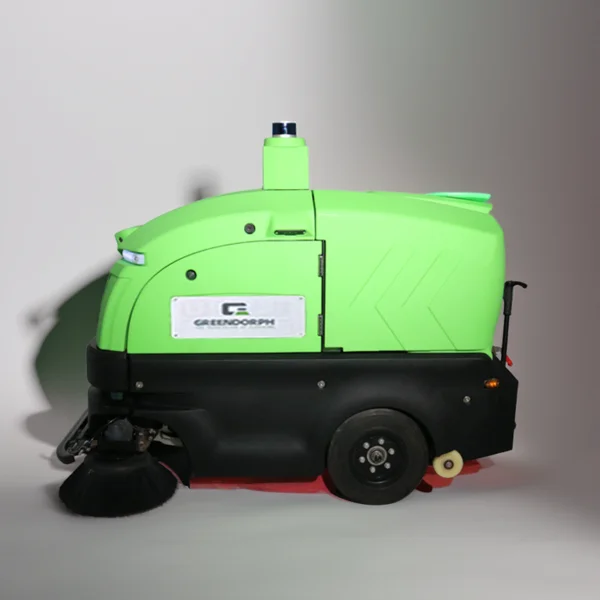
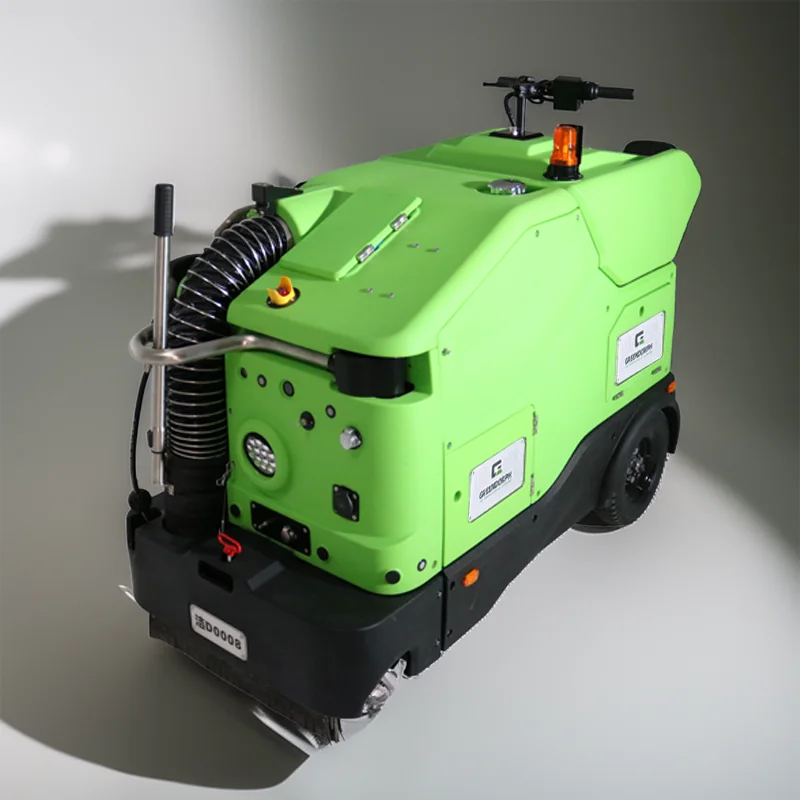
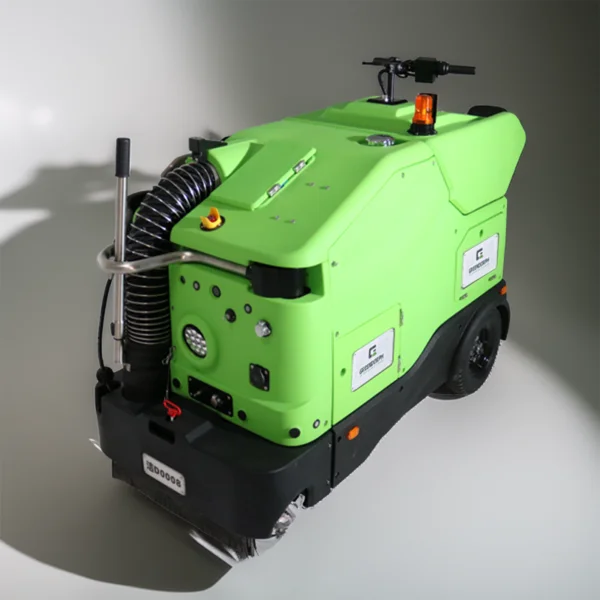
Many floor cleaning machine manufacturers bolt on disparate features without true system integration. That creates fragile machines with competing subsystems. By contrast, strong R&D teams build from a unified architecture. Consider the Omniclean Urban Street Sweeper YJ80 from Greendorph: a multi-functional unit that consolidates six traditional machines into one. At its core, a powerful negative-pressure suction system works synergistically with five integrated functions: high-pressure surface flushing, water-spray cleaning, turbine-speed airflow blowing, targeted vacuum-tube collection, and intelligent dust-suppression misting. This level of integration requires thousands of engineering hours — not quick assembly of off-the-shelf parts. When evaluating floor cleaning machines, ask manufacturers how their subsystems communicate and share power. Fragmented designs signal weak R&D.
Adaptability Across Real-World Operating Conditions
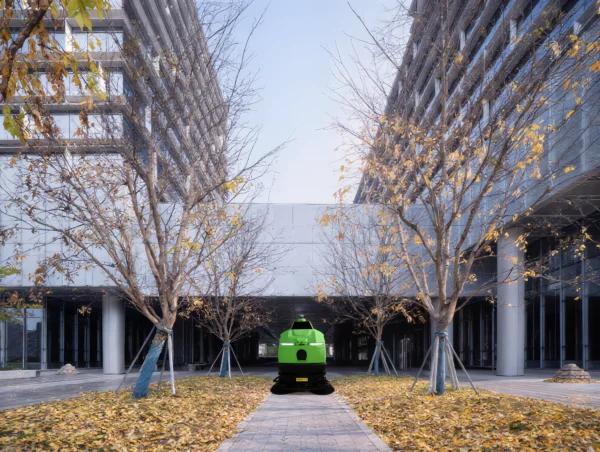
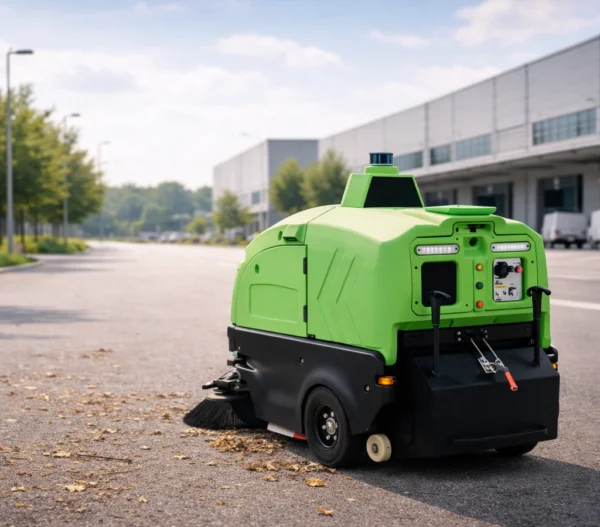
The best floor cleaning machine manufacturers test their products in chaotic environments, not just climate-controlled labs. The YJ80 masters diverse settings — from sidewalks and pedestrian plazas to parking structures and mid-sized outdoor zones — thanks to three intuitive control modes: manual ride-on for normal tasks, auto-following for effortless operation, and towed traction for extended coverage. That kind of adaptability requires advanced software engineering, sensor calibration, and mechanical durability testing. Top R&D teams also prioritize operator health. The YJ80 delivers an 8-hour continuous runtime with near-silent, 100% electric operation — producing zero CO₂ emissions while reducing fatigue. Ask potential suppliers whether they conduct longitudinal field trials or only lab certification. The former reveals genuine engineering commitment.
Total Cost of Ownership Through Smarter Design
R&D capability directly impacts your operating budget. Floor cleaning machines from manufacturers who invest in proprietary battery management systems, modular component layouts, and predictive maintenance alerts will cost less to own over five years. The YJ80’s compact footprint navigates tight spaces with exceptional maneuverability, reducing property damage claims. Its balanced ergonomics simplify maintenance workflows while enhancing public space hygiene. When comparing floor cleaning machine manufacturers, request data on mean time between failures and average repair hours. Suppliers with deep R&D departments will provide those numbers readily — because they designed for serviceability from day one.
What Genuine Innovation Looks Like
Not every supplier builds their own technology. Some rebadge generic equipment and call it innovation. At Greendorph, we engineer every YJ80 from the ground up — because we believe that true R&D transforms how cities clean. As you evaluate floor cleaning machine manufacturers, look beyond horsepower and hopper size. Examine how deeply they integrate functions, how thoroughly they test in real conditions, and how transparently they share lifecycle data. The right engineering partner will elevate your entire sanitation operation. Ready to compare with confidence? Let us walk you through the technical benchmarks that separate marketing hype from manufacturing reality.